
Seasonal Travel Surges and the Increase in Long Distance Vehicle Accidents
Florida’s roadways experience dramatic changes during seasonal travel periods. Winter tourism, spring break, and major holidays bring millions of additional drivers onto highways that already handle heavy daily traffic. Long distance travelers share the road with commuters, commercial trucks, and local drivers, creating a mix of driving behaviors that increases collision risk.
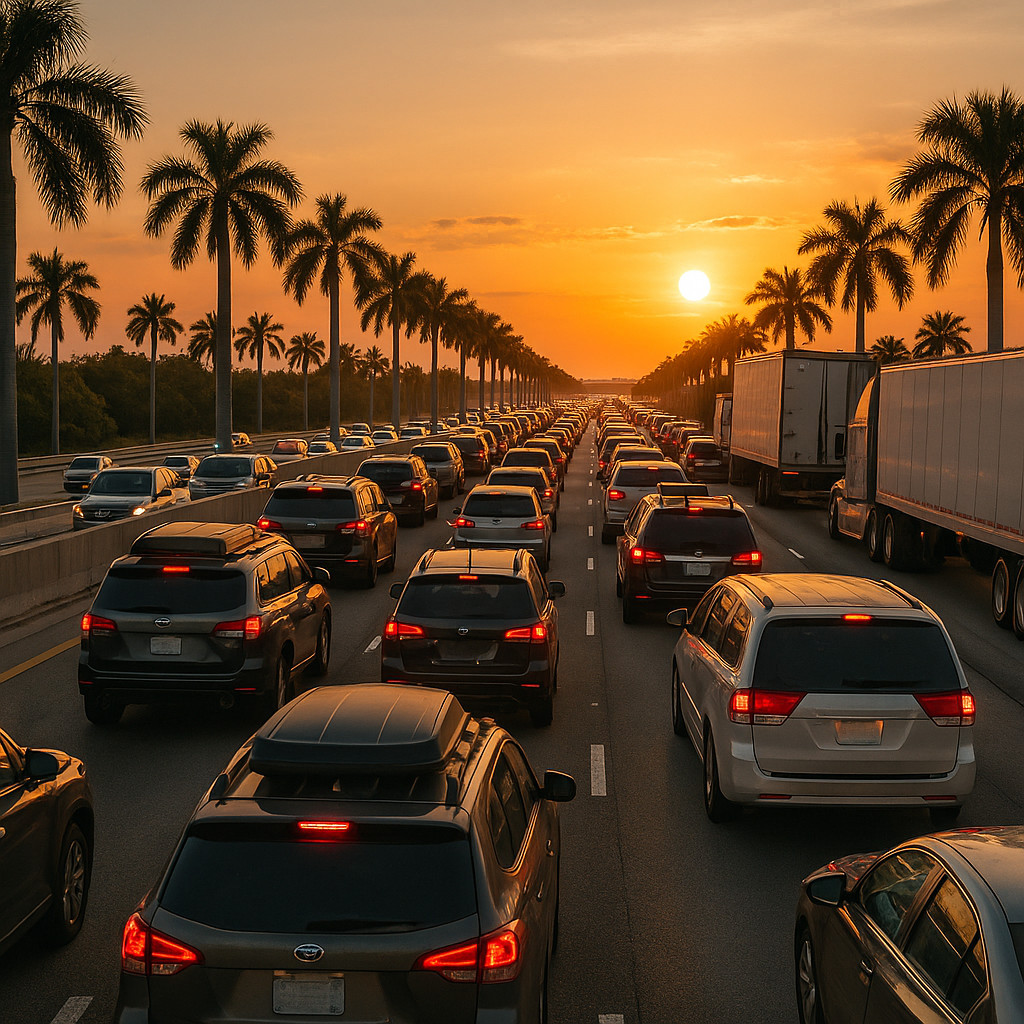
Unlike short daily commutes, long distance travel places sustained physical and mental demands on drivers. Hours behind the wheel can reduce concentration and slow reaction time. When combined with unfamiliar routes and congested interstate corridors, seasonal travel accidents become more likely, particularly on high speed roadways.
These crashes often occur far from a driver’s destination and may involve multiple vehicles. Understanding why these accidents happen requires looking at how travel patterns change during Florida’s busiest travel seasons.
Why Do Seasonal Travel Periods Lead to More Long Distance Accidents?
Seasonal travel periods create conditions that differ significantly from everyday driving. Drivers may spend extended time on highways, navigate unfamiliar exits, or push themselves to reach destinations without adequate rest. These factors overlap during peak travel seasons and raise the likelihood of serious crashes.
Seasonal travel accidents often involve drivers who are not accustomed to Florida road layouts, traffic patterns, or weather conditions. When traffic volumes increase suddenly, even experienced drivers may struggle to adjust.
1. Driver Fatigue on Long Highway Stretches
Fatigue is one of the most significant contributors to long distance crashes. Extended driving reduces alertness and impairs decision making. Drivers may miss warning signs, fail to notice slowing traffic, or react too late to hazards ahead.
Fatigue related crashes are particularly dangerous because they often occur at highway speeds. Even brief lapses in attention can lead to severe impacts.
2. Unfamiliar Roads and Navigation Errors
Seasonal travelers frequently rely on navigation apps to reach destinations. Last minute lane changes, missed exits, and sudden braking are common when drivers realize they are about to pass a turn or interchange. These maneuvers increase the risk of rear end and sideswipe collisions.
Unfamiliarity with Florida’s toll roads, interchanges, and service roads adds another layer of complexity during peak travel periods.
3. Increased Use of Rental Vehicles
Rental vehicles are common during seasonal travel. Drivers may be unfamiliar with vehicle size, braking response, or blind spots. Adjusting to a different vehicle while navigating congested highways can contribute to delayed reactions and misjudgments.
How Interstate Congestion Increases Crash Risk
Florida’s interstates experience heavy congestion during seasonal travel surges. Routes such as I 95, I 75, and the Florida Turnpike often operate at or near capacity for extended periods. Long distance travelers may encounter stop and go traffic with little warning.
Congestion increases the likelihood of chain reaction collisions. When traffic slows abruptly, drivers who are fatigued or distracted may not brake in time. These crashes often involve multiple vehicles and can block lanes for hours, creating further hazards.
Common Congestion Related Triggers
Examples include:
- Sudden slowdowns near major interchanges
- Lane reductions due to construction or incidents
- Merging traffic from rest areas or service plazas
- Heavy truck traffic mixed with passenger vehicles
These conditions are especially dangerous when drivers have been on the road for several hours.
Tourist Corridors and High Risk Travel Zones
Certain Florida corridors consistently experience higher accident rates during seasonal travel periods. These routes combine heavy tourist traffic with long stretches of highway driving.
High risk travel zones often include:
- Coastal routes leading to beach destinations
- Interstates connecting major cities and tourist regions
- Roads serving theme parks and resort areas
- Airport corridors with frequent lane changes
Drivers entering these zones may encounter sudden congestion, unfamiliar signage, and aggressive driving behavior as travelers compete for limited space.
Injuries Common in Long Distance Travel Accidents
Seasonal travel accidents often involve higher speeds and longer stopping distances, increasing injury severity. Occupants may experience multiple impacts or rollovers, particularly in chain reaction crashes.
Injuries Frequently Seen in These Crashes
- Traumatic brain injuries from sudden deceleration
- Neck and spinal injuries caused by high speed impacts
- Chest injuries from seat belt restraint forces
- Fractures to arms, legs, or ribs
- Internal injuries that may not be immediately apparent
Because long distance crashes often occur far from home, injured individuals may face additional challenges accessing follow up care.
Injuries Common in Long Distance Travel Accidents
Seasonal travel accidents often involve higher speeds and longer stopping distances, increasing injury severity. Occupants may experience multiple impacts or rollovers, particularly in chain reaction crashes.
Injuries Frequently Seen in These Crashes
- Traumatic brain injuries from sudden deceleration
- Neck and spinal injuries caused by high speed impacts
- Chest injuries from seat belt restraint forces
- Fractures to arms, legs, or ribs
- Internal injuries that may not be immediately apparent
Because long distance crashes often occur far from home, injured individuals may face additional challenges accessing follow up care.
Insurance and Claim Challenges After Seasonal Travel Crashes
Seasonal travel accidents can complicate insurance claims. Multiple vehicles, out of state drivers, and rental car policies may all be involved. Determining fault may take longer, especially when drivers provide conflicting accounts.
Insurance issues may include:
- Coverage questions involving rental vehicles
- Disputes between multiple insurers
- Delays caused by out of state policyholders
- Challenges obtaining witness statements
Thorough documentation becomes especially important in these cases.
What To Do After a Long Distance Travel Accident
Car crashes during seasonal travel often happen in unfamiliar locations, adding stress and confusion. Taking certain steps can help protect health and preserve important information.
Step 1: Seek medical evaluation, even if injuries seem minor.
Step 2: Document the crash scene, including roadway conditions and traffic patterns.
Step 3: Collect contact and insurance information from all involved parties.
Step 4: Keep records of symptoms and treatment received while traveling.
Step 5: Save travel details such as rental agreements or itineraries if applicable.
Frequently Asked Questions
Why do accident rates rise during Florida seasonal travel periods?
Seasonal travel increases traffic volume and introduces unfamiliar drivers onto major roadways. Fatigue, long driving hours, and navigation errors contribute to seasonal travel accidents, especially on interstates.
Are long distance crashes more severe than local accidents?
They often are. Higher speeds, longer travel times, and delayed reactions can lead to more serious injuries, particularly in chain reaction collisions.
Do rental vehicles increase accident risk?
Rental vehicles can increase risk when drivers are unfamiliar with vehicle handling or blind spots. Combined with congested traffic, this can lead to delayed braking or lane change errors.
Why do chain reaction crashes happen during peak travel times?
Heavy traffic and sudden slowdowns leave drivers with limited reaction time. Fatigue and distraction make it harder to respond quickly, increasing the chance of multi vehicle collisions.
Can injuries appear after returning home from a travel crash?
Yes. Adrenaline can mask pain at the scene. Symptoms such as stiffness, headaches, and back pain may develop hours or days later, even after travel ends.
Summary: Why Seasonal Travel Increases Accident Risks
Seasonal travel periods dramatically change driving conditions across Florida. Long distance driving, fatigue, unfamiliar routes, rental vehicle use, and heavy congestion combine to increase seasonal travel accidents. These crashes often involve higher speeds, multiple vehicles, and serious injuries.
Understanding how seasonal travel patterns affect roadway safety helps explain why accident rates spike during winter tourism, spring break, and major holiday migrations.
Contact Lawlor, White & Murphey Today
If you or someone you know has experienced delayed medical care after a car accident, don’t wait any longer. Your health and your legal rights depend on timely action. Speak with a qualified personal injury attorney who can guide you through the process, help you gather evidence, and fight for the compensation you deserve.
Take the next step—schedule a free consultation with Lawlor, White & Murphey today.