
Acceleration Pedal Confusion and Unintended Acceleration: When Drivers Mistake the Gas for the Brake
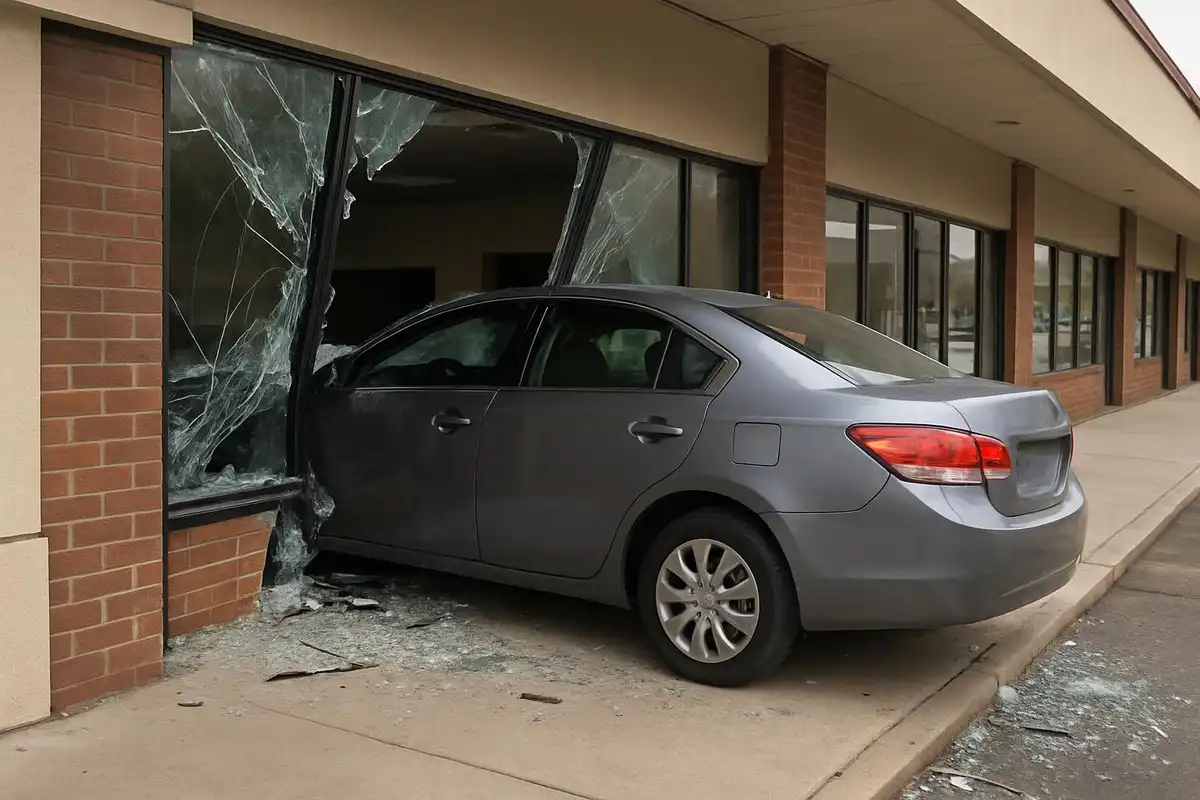
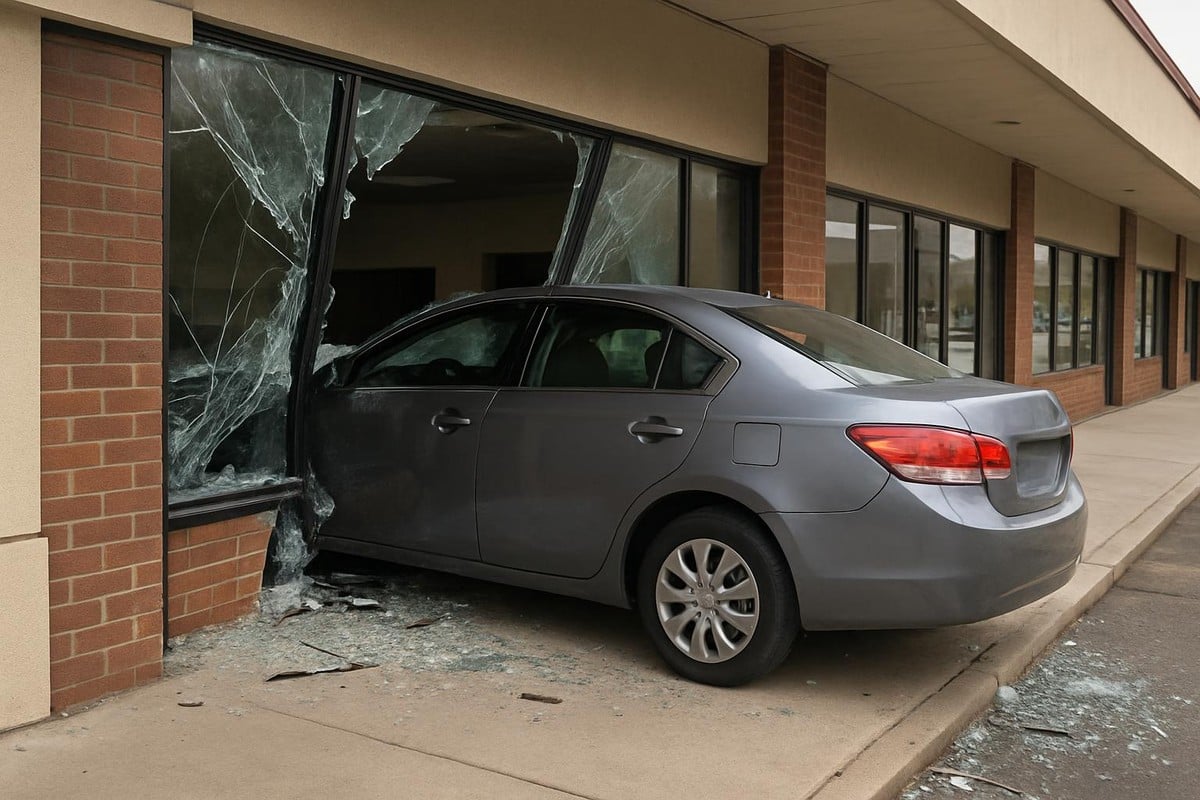
Few crashes are as confusing and frightening as the ones where a car suddenly lurches forward or backward at full power. The driver swears they were pressing the brake, yet the vehicle shot ahead. These unintended acceleration crashes happen in parking lots, drive-throughs, and driveways, and they can cause devastating harm in the space of a second.
Sometimes the cause is a simple pedal mix-up. Other times it points to a real defect in the vehicle. Telling the difference matters, both for preventing these wrecks and for protecting your rights if one upends your life.
What Pedal Confusion and Unintended Acceleration Are
Pedal confusion happens when a driver presses the accelerator while believing it is the brake. Unintended acceleration is the broader term for any sudden, unexpected surge of power, whether from a pedal error or a mechanical or electronic fault. To a bystander the result looks identical: a car that surges when it should stop.
Why It Happens
Most cases trace to a momentary mismatch between what the driver intends and where their foot lands. A small shift in seating position, an unfamiliar rental, or a quick movement between pedals can be enough. Pressing harder when the car does not slow only makes it worse, because the driver is often pressing the gas. In a minority of cases, a stuck pedal, a trapped floor mat, or an electronic throttle fault is the true cause.
Who Is Most at Risk and Where
These events cluster in low-speed, high-precision settings: parking spaces, drive-through lanes, garages, and spots where a driver is easing in or out. Drivers of any age can be affected, though unfamiliar vehicles and tight maneuvering raise the odds. The low speed is deceptive, since a full-throttle surge across a parking lot covers ground fast.
The Split-second Mechanics
When a vehicle surges unexpectedly, the human reaction is to press the pedal harder. If the foot is on the accelerator, that instinct accelerates the very problem. By the time the driver realizes the mistake or finds the brake, the car may have already crossed a sidewalk or struck a wall, a storefront, or a person.
When It Is a Defect, Not Driver Error
Not every surge is the driver’s fault. A floor mat that traps the pedal, a throttle that sticks, or an electronic control fault can cause genuine unintended acceleration. These cases can involve the vehicle manufacturer, and they often turn on the vehicle’s data and service history. That is why preserving the car and its records matters so much.
Where These Happen in South Florida
Busy retail parking lots, plaza drive-throughs, and condo and garage entrances throughout the region see these crashes regularly. The mix of pedestrians, tight spaces, and constant in-and-out movement is exactly the setting where a sudden surge does the most damage.
The Injuries Can Be Severe
Because these surges often happen where people are walking, pedestrians are frequently the victims, and the injuries can be catastrophic. Occupants and bystanders alike can suffer crush injuries, broken bones, head trauma, and worse. As with any crash, prompt medical care protects both health and the record behind a claim.
Who May Be Liable
Responsibility depends on the cause. If a driver pressed the wrong pedal, they and their insurer may be responsible. If a defect drove the surge, the manufacturer may share or carry the fault. A property owner with a poorly designed lot can sometimes bear part of the responsibility too. Florida’s comparative negligence rule allows fault to be split. You can review state crash and citation data through the Florida Department of Highway Safety and Motor Vehicles.
What to Do after a Sudden-acceleration Crash
Call law enforcement, get medical care the same day, and photograph the scene, the vehicle, and the pedals and floor mats if you can. Avoid having the vehicle repaired or scrapped until it can be examined, since the car itself is often the key evidence. Speaking with an attorney early about a motor vehicle accident involving sudden acceleration helps ensure that evidence is preserved.
How Florida’s No-Fault Rules Apply After a Sudden-Acceleration Crash
Florida operates under a no-fault insurance system, so your own personal injury protection coverage pays first for medical bills no matter what caused the crash. That coverage is capped, and a high-speed acceleration event can produce injuries that exhaust it quickly. When the injuries are serious, the law lets you step outside no-fault and pursue the responsible party directly for the full range of your losses.
If a defect is involved, a product liability claim against the manufacturer can reach coverage far beyond any personal auto policy. Identifying every potentially responsible party early, from the automaker to a component supplier, shapes how much compensation is realistically available and who will be defending the claim.
Why These Cases Need a Fast Investigation
Sudden-acceleration claims live or die on evidence that is easy to lose. The vehicle’s electronic control modules store data about throttle position, braking, and speed in the seconds before impact, but that record can be overwritten or lost once the car is repaired, sold, or scrapped. Surveillance footage from a nearby business is often gone within days.
Moving quickly to preserve the vehicle, secure the data, and document the scene gives an expert what they need to reconstruct what actually happened. The sooner that work begins, the stronger the case, because once the proof disappears it is rarely possible to recreate it later.
What Compensation May Be Available
A serious sudden-acceleration crash can carry costs that last for years. A claim can seek payment for emergency and ongoing medical care, future treatment and rehabilitation, lost income, and reduced earning capacity when an injury prevents a return to the same work. It can also account for pain, lasting limitations, and the disruption to daily life that never appear on a bill.
Valuing those losses fairly takes medical input on long-term care and a realistic look at future earnings, then presenting that picture so the insurer cannot brush it aside. Because early offers tend to fall well short of a serious claim’s true value, it is worth knowing what your case is worth before you agree to anything.
Settlement is also rarely the end of the story on its own, since a defect claim can take time to investigate fully, and accepting a quick payment usually closes the door on pursuing the manufacturer later. Understanding that trade-off before signing anything is one of the most valuable things an early consultation can give you.
Summary of Unintended Acceleration Claims
Unintended acceleration crashes happen in a split second, usually in parking lots and drive-throughs, and they can seriously hurt pedestrians. The cause is not always driver error.
- Pedal confusion, a stuck pedal, or a trapped floor mat can all cause a surge.
- Pressing harder makes it worse when the foot is on the gas.
- A genuine defect can shift responsibility to the manufacturer.
- The vehicle’s data and service history often reveal the true cause.
Frequently Asked Questions About Unintended Acceleration Crashes in Florida
If the car suddenly accelerated on its own, is the crash still my fault?
Not necessarily. If a genuine defect caused unintended acceleration, responsibility can shift to the manufacturer or a parts supplier rather than the driver. The challenge is proving it, because the insurer’s first assumption is almost always driver error. Vehicle data, repair history, recall records, and any prior complaints about the same make and model all help separate a true malfunction from a mistake. An early investigation is what makes that distinction possible.
How do you prove a vehicle defect instead of driver error?
It usually takes preserving the vehicle itself, pulling the electronic data that records throttle and brake input, and checking for open recalls or technical service bulletins on the same component. An engineering or accident reconstruction expert can then show whether the throttle was commanded or whether the system acted on its own. Because a totaled car can be sold or scrapped within days, holding onto it and the data early is often the single most important step.
How much does it cost to talk to a lawyer?
Your initial consultation with Lawlor, White & Murphey is free, and these cases are handled on a contingency basis. You pay no attorney fees up front and owe nothing unless a recovery is obtained for your claim. Sudden-acceleration cases move quickly and hinge on evidence that can vanish, so a prompt, no-cost conversation helps protect your options before anything is lost.
Contact a South Florida Car Accident Lawyer
If you or a loved one was hurt in a sudden-acceleration crash, the team at Lawlor, White & Murphey can investigate whether driver error, a defect, or unsafe property was to blame and explain your options. The firm helps crash victims across Broward and Palm Beach, and because Florida follows a no-fault insurance system, it is worth knowing when serious injuries let you step outside it and pursue the at-fault party. Call our office for a free, no-pressure conversation about what happened.