
Blind Intersection Corners: How Overgrown Vegetation and Poor Sightlines Cause Crashes
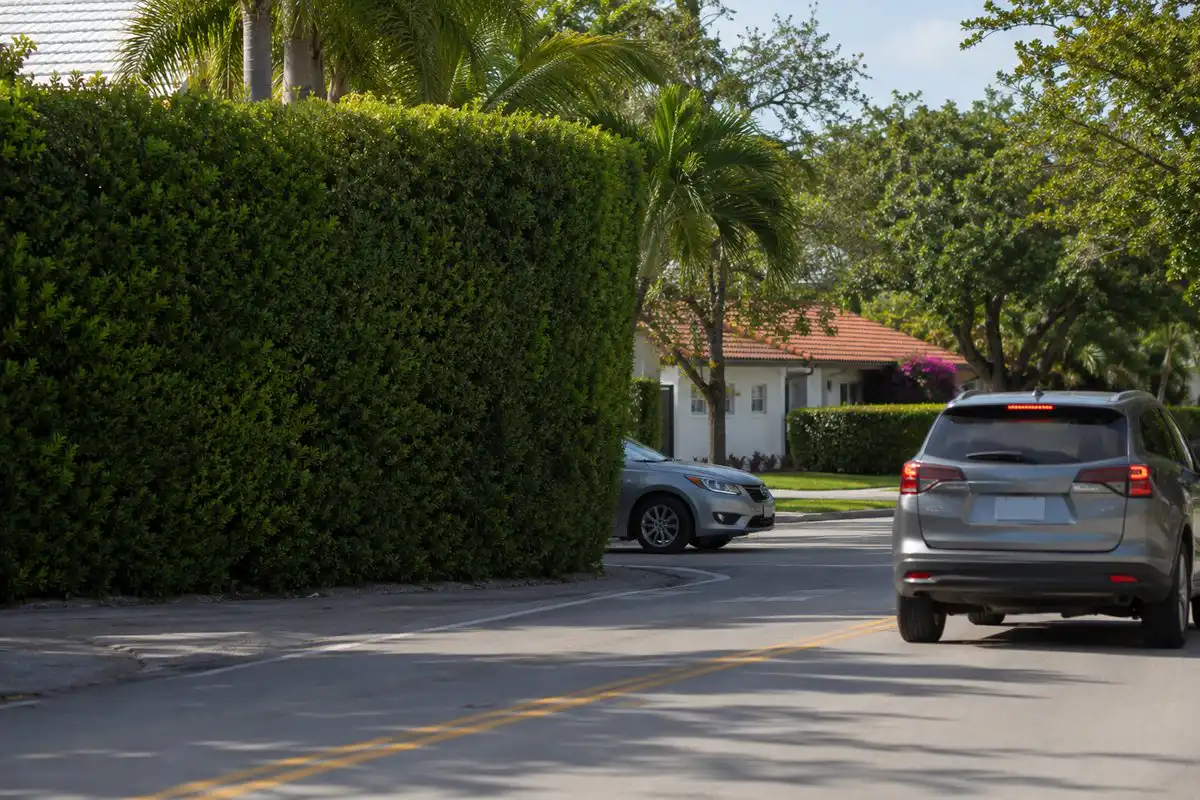
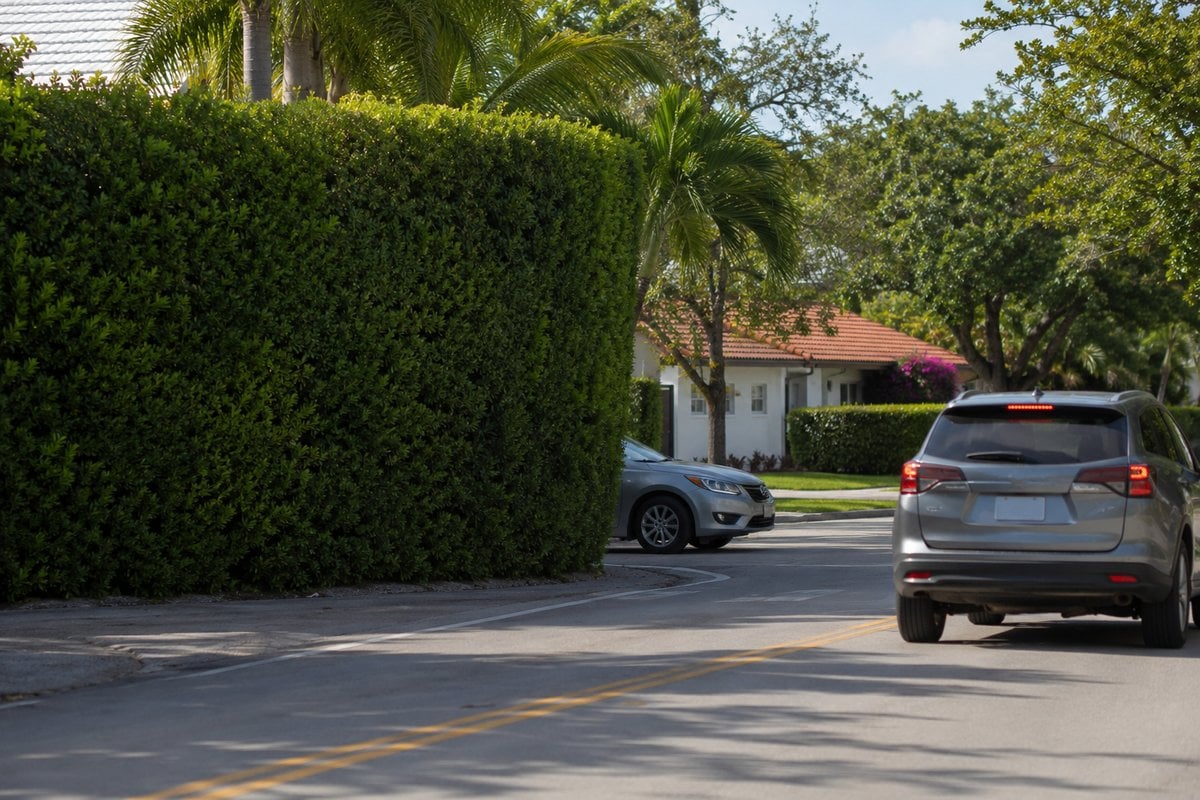
Some of the most jarring crashes happen at the quiet corners of residential neighborhoods, where a driver eases out of a side street and never sees the car coming until it is too late. A blind intersection is one where something physically blocks a driver’s view of approaching traffic, and in South Florida that something is very often overgrown hedges, untrimmed trees, or palm fronds that have crept over a corner. The driver may have done everything right and still been unable to see, which is exactly what makes these crashes both dangerous and legally complicated.
When sightlines fail, the question stops being only about how each driver behaved and starts including who was responsible for the obstruction in the first place. Understanding how blind intersection crashes happen, why they tend to be serious, and who can be held accountable can help you stay safer at unfamiliar corners and protect your rights if poor visibility is what put you in harm’s way.
What a Blind Intersection Is
A blind intersection is any junction where a driver cannot see far enough down the cross street to safely judge oncoming traffic. The obstruction can be permanent, like a wall, fence, or building set too close to the corner, or it can be seasonal and creeping, like vegetation that has grown unchecked through a wet Florida summer. Parked vehicles, dumpsters, and construction equipment create temporary blind corners too. What they all share is that they force a driver to inch forward and effectively guess, turning a routine maneuver into a gamble with cross traffic that has no idea anyone is about to pull out.
How Overgrown Vegetation and Poor Sightlines Cause Crashes
Florida’s climate grows vegetation fast, and corners that were clear in spring can be dangerously overgrown by late summer. When a hedge or a low tree canopy blocks the view, a driver at a stop sign or pulling from a driveway cannot see an approaching vehicle until they have already edged into its path. The cross-traffic driver, who often has no stop sign and no reason to expect a car to appear, then has almost no time to react. These conditions repeat at countless residential corners throughout Broward and Palm Beach, where mature landscaping and narrow streets meet.
Why Blind Intersection Crashes Are Often Severe
Because the driver pulling out is usually moving slowly while the cross traffic is at speed, these collisions frequently land as side-impact crashes, striking the vehicle where it is least protected. The element of surprise makes it worse, since neither driver has time to brake or steer away. The result is often the same catastrophic injuries seen in other intersection wrecks, including spinal damage, head trauma, and broken bones. As with any serious crash, prompt medical evaluation matters, because injuries that feel minor at the scene can develop into something far worse over the following days.
Who Can Be Held Liable for a Blind Intersection Crash
Liability at a blind intersection can extend well beyond the two drivers. A property owner whose hedges or trees overgrew the corner and blocked the sightline may share responsibility, and so may a homeowners association or a government entity charged with maintaining the right-of-way. Establishing this takes evidence: scene photographs showing the obstruction, the police report, witness accounts, and sometimes maintenance records. The Florida Department of Highway Safety and Motor Vehicles tracks crash data that can reveal a corner’s history. Because overgrown vegetation is often cut back within days of a crash, the team at Lawlor, White & Murphey works quickly to document the obstruction before it is trimmed away and the evidence is gone.
How Florida’s No-Fault Rules Apply
Florida’s no-fault insurance system means your own personal injury protection coverage pays first for medical bills and lost wages regardless of who caused the crash. As with other serious intersection collisions, that coverage is often used up quickly, and the law then allows you to pursue the at-fault parties directly for the rest of your losses. When a property owner or public entity shares the blame, the analysis becomes more involved, which is one more reason a blind intersection motor vehicle accident is rarely a simple claim to handle alone.
What to Do After a Blind Intersection Crash
If you can, call law enforcement and make sure the report notes the obstruction, then photograph the corner from the angle of each driver so the blocked sightline is obvious. Get medical attention the same day, gather contact information from witnesses, and document the overgrown vegetation or other obstruction before anyone has a chance to clear it. Avoid giving a recorded statement to an insurer before you understand your rights, since these cases are easy for an adjuster to oversimplify into simple driver error.
Proving Fault After a Blind Intersection Crash
These cases often come down to what each driver could actually see, so the evidence gathered in the first hours carries real weight. Photographs of the intersection from each driver’s approach show how much the hedge, fence, or parked vehicle blocked the view. The crash report, the resting positions of the cars, and any skid marks help establish who entered first and at what speed, while statements from people who use the intersection daily can confirm it was a known hazard.
Vehicle data that records speed and braking can fill in the final seconds, and prior complaints to a city or homeowners association can show the obstruction had been reported before. Because vegetation gets trimmed and footage gets overwritten quickly, moving fast to preserve all of it is what makes a clear picture of fault possible later. An experienced attorney can act to lock that evidence down before it is gone.
What Compensation May Be Available After a Blind Intersection Crash
Intersection collisions frequently happen with little time to brake, so the injuries can be serious and the costs lasting. A claim can seek payment for emergency and ongoing medical care, surgery and rehabilitation, lost income, and reduced earning capacity when an injury keeps someone from returning to their prior work. It can also account for pain, lasting limitations, and the disruption to everyday life that never shows up on a bill.
Valuing those losses fairly means looking past today’s bills to the future cost of care and lost earnings, supported by medical opinion and presented so the insurer cannot wave it off. When a property owner or government entity shares the blame, additional coverage may be available beyond the drivers’ policies. Because early offers tend to come in low, it is worth understanding what your case is truly worth before agreeing to settle. A clear-eyed evaluation can measure that figure against any offer on the table, and the right time to weigh it is early, while the evidence is still intact.
Summary of Blind Intersection Crash Claims
Blind intersection crashes happen when something blocks a driver’s view, and responsibility can reach beyond the drivers to whoever let the corner become a hazard, but only if the obstruction is documented before it is cleared.
- Overgrown vegetation, walls, fences, and parked vehicles all create dangerous blind corners.
- The surprise, side-impact nature of these crashes makes the injuries severe.
- A property owner, HOA, or government entity may share liability for the obstruction.
- Evidence disappears fast once vegetation is trimmed, so act quickly.
Frequently Asked Questions About Blind Intersection Crashes
Can someone other than the drivers be at fault?
Yes. When overgrown hedges, trees, a fence, or a parked trailer block the view at an intersection, the property owner, a homeowners association, or the government entity responsible for maintaining the right of way may share the blame. Liability is not limited to the two cars involved. Establishing it takes showing that the obstruction existed, that it created a known hazard, and that the responsible party failed to address it, which is why documenting the scene early matters so much.
The bushes were trimmed right after my crash. Do I still have a case?
Often, yes. The later cleanup does not erase what was there at the time of the crash. Photographs, prior complaints to the city or association, maintenance records, and witness accounts can all establish that the sightline was blocked when it counted. In some situations, evidence being altered or removed after a crash can actually support your position. The sooner the scene and those records are preserved, the stronger that proof becomes.
How much does it cost to talk to a lawyer?
Your initial consultation with Lawlor, White & Murphey is free, and these cases are handled on a contingency basis. You pay no attorney fees up front and owe nothing unless a recovery is obtained for your claim. Blind intersection cases hinge on evidence that disappears fast, from trimmed vegetation to overwritten footage, so a prompt, no-cost conversation helps protect the proof your claim may depend on.
Contact a South Florida Intersection Accident Lawyer
If a blocked or overgrown corner contributed to your crash, the team at Lawlor, White & Murphey can document the obstruction, identify everyone who may be responsible, and pursue full compensation. Call our office for a free, no-pressure conversation about what happened.