
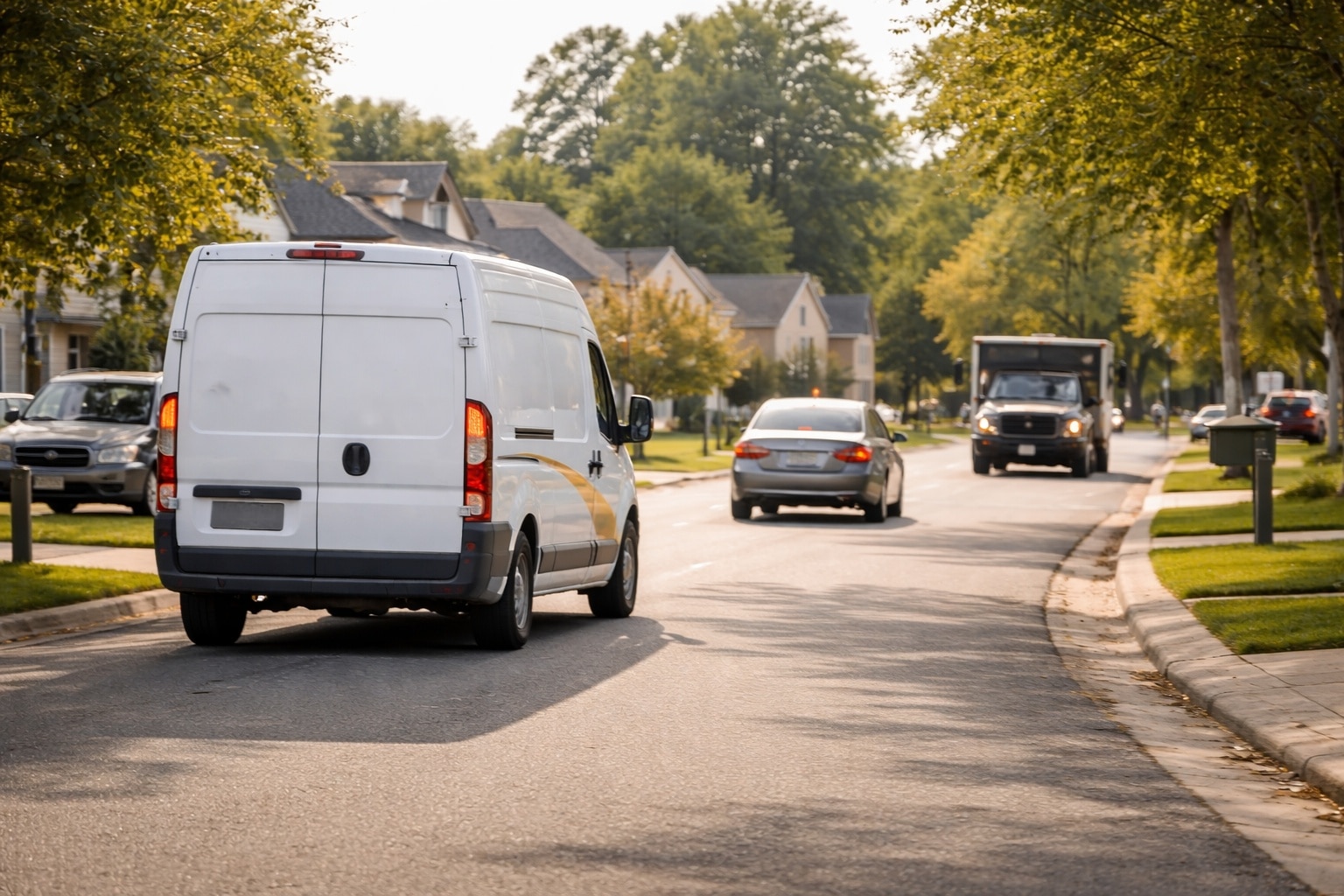
Delivery Driver Crashes: The Rise of Amazon, FedEx, and UPS Vehicle Accidents
Delivery driver crashes have become a growing concern on roadways across the United States, and Florida is no exception. As online shopping continues to shape how people buy everything from household essentials to large appliances, the number of delivery vehicles on the road has surged. Amazon vans, FedEx trucks, UPS vehicles, and countless other courier and logistics operators now fill neighborhood streets and highways at all hours of the day.
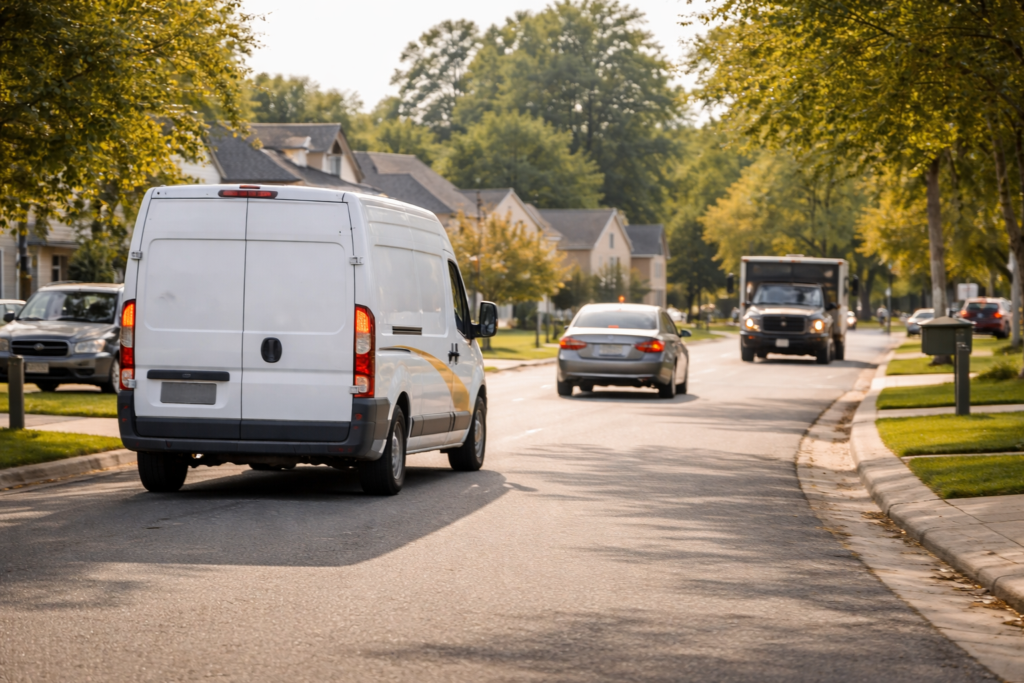
With that increase in delivery traffic has come an increase in delivery related crashes. These incidents raise unique questions about vehicle size, driver fatigue, route pressure, and the ways modern logistics companies operate. The following sections take a closer look at why delivery driver crashes have become more common and what factors contribute to them.
The Explosion of Delivery Traffic in Recent Years
The rapid growth of e commerce has fundamentally changed how goods move through American cities and suburbs. What was once handled primarily by a small number of national carriers is now a sprawling network of vans, box trucks, and independent contractor vehicles. Amazon alone operates one of the largest delivery fleets in the country, supplemented by thousands of third party Delivery Service Partners who run their own vans under the Amazon brand.
FedEx and UPS continue to operate massive fleets as well, and newer entrants in the food and grocery delivery space have added even more vehicles to the mix. On top of that, gig based delivery drivers using personal vehicles for services like Amazon Flex, DoorDash, and Instacart contribute to an ever growing volume of commercial style driving on residential streets.
Florida’s dense population, year round warm weather, and large number of online shoppers have made it one of the busiest states for delivery traffic in the country.
Why Delivery Driver Crashes Are on the Rise
Several factors appear repeatedly in the conversation about why delivery driver crashes have increased. These factors are not unique to any single company, but they tend to show up across the industry in different forms.
Tight delivery windows
Many delivery drivers operate under tight time pressures, with routes that can include well over a hundred stops per shift. The pressure to complete stops on time can influence driving behavior, particularly in high traffic areas.
Driver fatigue
Long shifts, early start times, and physically demanding work can lead to driver fatigue, which affects reaction time and decision making.
Frequent stops and starts
Delivery drivers make dozens of stops per hour in some neighborhoods. This constant stopping, backing, and re entering traffic creates more opportunities for collisions than a typical driving pattern.
Unfamiliar routes
Drivers are often sent to different neighborhoods each day, which means they may be navigating unfamiliar streets while trying to locate addresses and keep pace with a schedule.
Large vehicle blind spots
Step vans, box trucks, and delivery trucks have significant blind spots around the front, rear, and sides. These blind spots can contribute to crashes involving pedestrians, cyclists, and smaller vehicles.
High volume seasons
The holiday season, Prime Day, and other peak shopping events bring massive increases in delivery volume, which can stretch both drivers and vehicles to their limits.
These factors do not explain every crash, but they appear often enough in industry reports and news coverage to help paint a picture of why delivery crashes have become more common.
Common Types of Delivery Vehicle Crashes
Delivery vehicle crashes come in many forms, but certain patterns tend to repeat across the industry. Some of the most frequently reported types include:
Backing crashes
Delivery drivers often back up in driveways, parking lots, and tight residential streets. Backing crashes are one of the most common incident types reported by fleet operators.
Pedestrian and cyclist collisions
Because delivery vehicles operate in neighborhoods where people are walking, running, and biking, pedestrian and cyclist incidents are a consistent concern.
Parked vehicle impacts
Delivery drivers frequently strike parked cars while maneuvering through tight spaces or pulling away from the curb.
Rear end crashes
Delivery vehicles that stop frequently can be rear ended by drivers who are not expecting a sudden slowdown.
Intersection collisions
Drivers navigating unfamiliar streets or rushing between stops can miscalculate turns or lights, leading to intersection crashes.
Residential driveway incidents
Some crashes happen in private driveways when drivers misjudge the space available or fail to see a person or object behind the vehicle.
Each of these categories reflects the unique nature of delivery work, where a single shift may involve dozens of separate driving situations.
The Role of Employees, Contractors, and Gig Workers
One of the more complex aspects of the delivery industry is the mix of employment arrangements used by different companies. UPS and FedEx Express drivers are generally direct employees of the company. FedEx Ground, by contrast, has historically used an independent contractor model. Amazon uses a combination of direct employees, Delivery Service Partners, and Amazon Flex gig drivers using personal vehicles.
These different arrangements can affect how crashes are reported, how insurance is handled, and how responsibility is assigned after an incident. A crash involving a FedEx Express driver may look very different in terms of documentation and reporting than a crash involving an Amazon Flex driver using a personal SUV.
The mix of employment types has drawn increasing attention from regulators, safety researchers, and the general public as the delivery industry continues to grow.
Safety Technology in Delivery Fleets
Many large delivery companies have invested in safety technology intended to reduce crashes. These systems can include forward collision warnings, automatic emergency braking, lane departure alerts, backup cameras, and telematics systems that monitor driver behavior in real time.
Amazon has deployed camera systems in many of its delivery vans that monitor both the road and the driver. FedEx and UPS have implemented a variety of onboard monitoring systems across their fleets over the years. These tools are designed to identify risky driving behaviors, provide coaching opportunities, and encourage safer operation across large fleets.
Despite these efforts, the sheer volume of delivery traffic means that crashes continue to occur on a regular basis.
Summary: Why Delivery Driver Crashes Matter
The rise of delivery driver crashes reflects the broader transformation of how goods move through American cities and neighborhoods. As Amazon, FedEx, UPS, and countless smaller operators continue to expand their fleets, the roads are becoming busier with commercial delivery traffic than ever before. That growth has brought new safety challenges that did not exist on the same scale a decade ago.
Understanding why delivery crashes happen, what types of incidents are most common, and how the industry is structured helps explain why this category of motor vehicle accident has become a more prominent topic of discussion in Florida and across the country.
Frequently Asked Questions
Why are delivery driver crashes becoming more common?
The explosive growth of e commerce has placed more delivery vehicles on the road than ever before, leading to an increase in crashes involving Amazon, FedEx, UPS, and other delivery operators.
What factors contribute to delivery driver crashes?
Common factors include tight delivery windows, driver fatigue, frequent stops, unfamiliar routes, large vehicle blind spots, and high volume shopping seasons.
What types of crashes are most common with delivery vehicles?
Backing crashes, pedestrian and cyclist collisions, parked vehicle impacts, rear end crashes, and intersection incidents are among the most frequently reported delivery related crashes.
Are all delivery drivers employees of the company whose name is on the truck?
Not necessarily. Some delivery drivers are direct employees, while others are independent contractors or gig workers using personal vehicles under programs like Amazon Flex.
What safety technology do delivery fleets use?
Many large fleets use forward collision warnings, automatic emergency braking, backup cameras, and telematics systems to monitor and improve driver behavior.
Contact Lawlor, White & Murphey Today
Delivery vehicle crashes raise unique questions about fleet operations, employment structures, and the conditions that contribute to collisions on busy residential and commercial streets. Because these incidents can involve a variety of companies and driver arrangements, understanding how they happen is an important part of any conversation about a recent crash.
If you or someone you know has been injured in a motor vehicle accident, the attorneys at Lawlor, White & Murphey can help review the situation and provide insight into how these complex traffic environments contribute to collision risk.
Take the next step—schedule a free consultation with Lawlor, White & Murphey today.