
Florida’s Busy Intersections: A Leading Source of Pedestrian and Vehicle Accidents
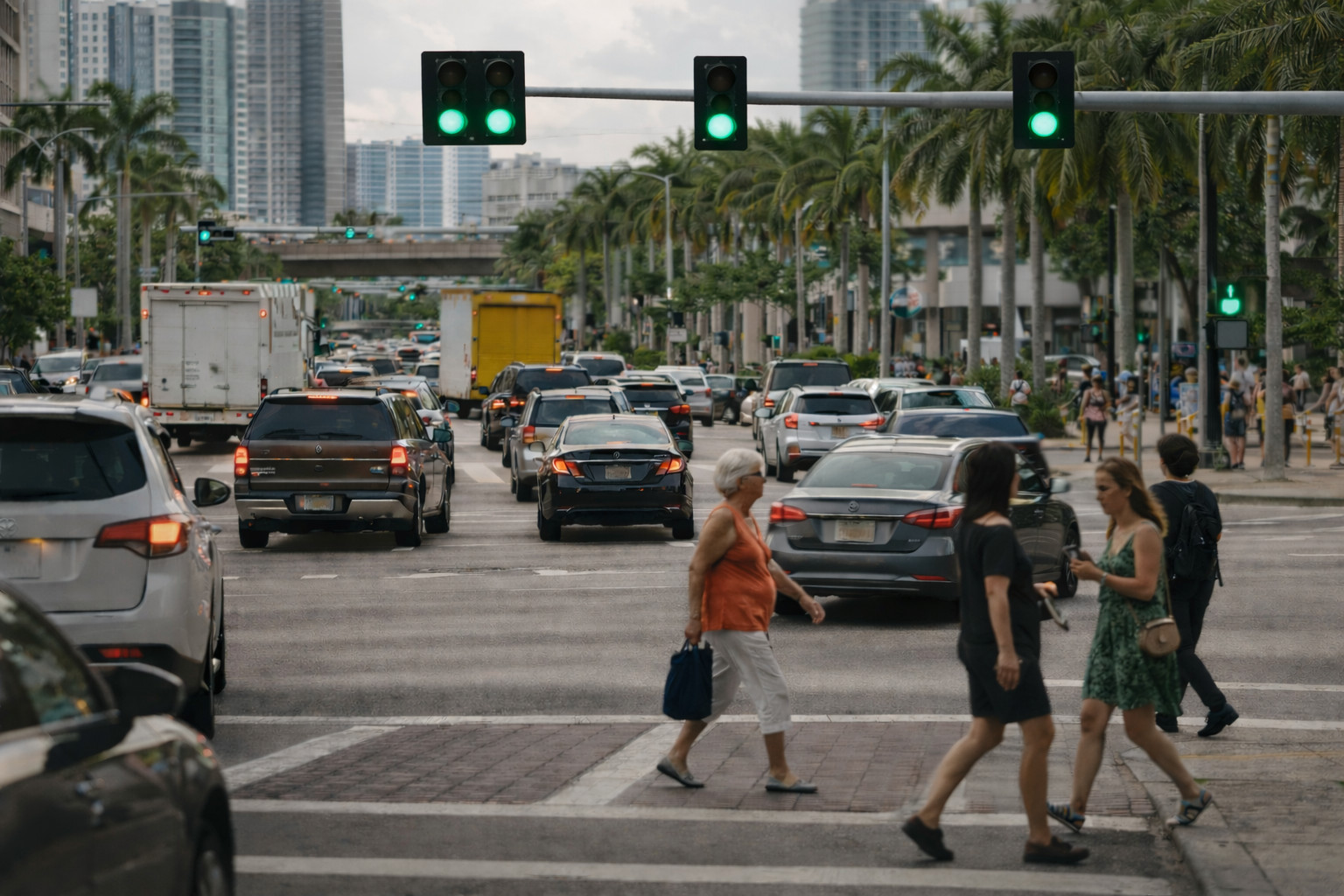
Florida’s road network is designed to move people efficiently, but nowhere is that challenge more apparent than at busy intersections. These locations bring together vehicles traveling at different speeds, drivers making rapid directional decisions, and pedestrians attempting to cross multiple lanes of traffic. Even when traffic signals are functioning properly, intersections create moments of uncertainty that can quickly escalate into serious accidents.
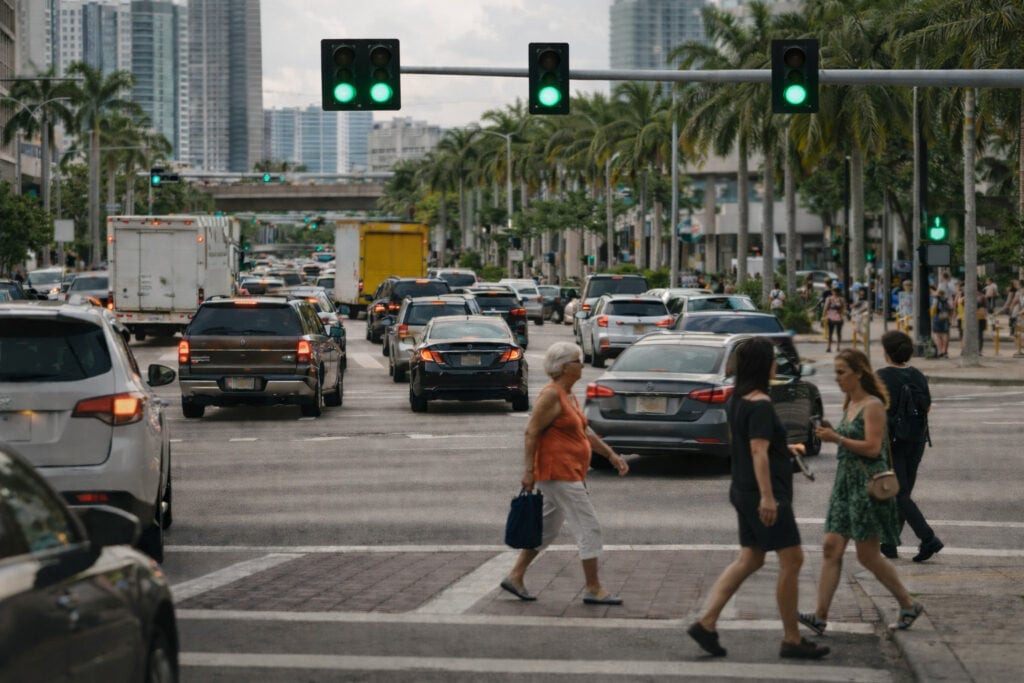
Intersection accident risks increase significantly in urban and tourist driven areas where traffic volume remains high throughout the day. Morning and evening commutes overlap with mid day deliveries, rideshare traffic, and visitors unfamiliar with local road patterns. As congestion builds, patience thins and drivers often prioritize speed over caution. Pedestrians, meanwhile, must navigate wide crossings while interpreting signal timing and vehicle behavior at the same time.
Unlike highway crashes, which often involve sustained speed and distance, intersection accidents tend to happen suddenly. A single misjudgment during a turn or a delayed reaction to a signal change can result in a severe collision within seconds. For pedestrians, the danger is even greater, as they are exposed directly to vehicle impact without any physical protection.
Why Do Busy Intersections Produce So Many Accidents?
Busy intersections compress a wide range of movements into a limited space. Vehicles proceed straight, turn left, turn right, and yield to pedestrians during the same signal cycle. When any part of this system breaks down, the margin for error disappears.
Intersection accident risks rise when drivers and pedestrians rely on assumptions rather than clear visual confirmation. Drivers may assume a pedestrian has cleared the crosswalk. Pedestrians may assume a turning vehicle will yield. When timing is tight or visibility is compromised, these assumptions can prove dangerous.
1. Wide Multi Lane Crossings
Many Florida intersections span four, six, or even eight lanes of traffic. Pedestrians must cross long distances while vehicles approach from multiple directions. Longer crossings increase exposure time and leave pedestrians vulnerable if signals change before they reach the opposite curb.
Wide intersections also create challenges for drivers. Turning vehicles must monitor oncoming traffic, opposing turn lanes, and pedestrians simultaneously. This divided attention increases the likelihood of missed visual cues, especially during peak traffic periods.
2. Short Signal Timing
Signal timing often prioritizes vehicle throughput, particularly on major arterial roads. Pedestrian walk signals may be brief, leaving little room for slower walkers to complete crossings safely. When countdown timers expire, pedestrians may still be in the crosswalk as traffic resumes.
Drivers attempting to clear intersections before signals change may accelerate or turn aggressively, increasing the chance of striking a pedestrian or colliding with another vehicle. These split second decisions significantly elevate intersection accident risks.
3. Obstructed Sight Lines
Visibility is critical at intersections, yet many Florida crossings suffer from obstructed sight lines. Landscaping, utility poles, signage, and parked vehicles can block views of crosswalks or approaching traffic. In some areas, construction equipment or temporary barriers further limit visibility.
When drivers cannot see pedestrians stepping off the curb or vehicles entering the intersection, reaction time is reduced. Obstructed sight lines are a common factor in left turn collisions and right turn on red accidents.
How Driver Behavior Amplifies Intersection Dangers
Driver behavior plays a major role in intersection collisions. Even well designed intersections become dangerous when drivers rush, multitask, or take risks to avoid delays.
Common Risky Driver Behaviors
Examples include:
- Accelerating to beat a yellow or red light
- Rolling through right turns without fully stopping
- Failing to yield while making left turns
- Distracted driving caused by navigation apps or mobile devices
- Misjudging pedestrian speed or distance
These behaviors reduce reaction time and increase the likelihood of impact. When multiple drivers engage in risky behavior simultaneously, intersection accident risks escalate quickly.
Pedestrian Vulnerability in High Traffic Intersections
Pedestrians face unique challenges at busy intersections. They must interpret signals, monitor vehicle movement, and maintain awareness of surrounding traffic while crossing. In tourist areas, pedestrians may be distracted by unfamiliar surroundings or assume drivers will yield automatically.
Children, older adults, and individuals with mobility limitations are particularly vulnerable. Short signal timing may not account for slower walking speeds, leaving these pedestrians exposed when traffic resumes.
Factors That Increase Pedestrian Risk
- Faded or poorly maintained crosswalk markings
- Inadequate lighting during early morning or evening hours
- Crowded sidewalks spilling into roadway edges
- Visitors unfamiliar with local traffic rules and patterns
When these factors combine, the risk of severe pedestrian injury increases significantly.
Environmental and Infrastructure Conditions That Increase Risk
Intersection safety depends not only on behavior, but also on maintenance and design. Aging infrastructure and inconsistent upkeep contribute to persistent safety issues.
Common Environmental Hazards
- Malfunctioning or poorly timed traffic signals
- Confusing or inconsistent lane markings
- Burned out or insufficient street lighting
- Uneven pavement or drainage problems
- Temporary construction zones altering traffic flow
When these hazards go unaddressed, intersection accident risks remain elevated even when drivers and pedestrians attempt to act responsibly.
Injuries Common in Intersection Accidents
Intersection crashes often involve side impacts, turning collisions, and pedestrian strikes. These accident types produce severe injuries due to the angles involved and the sudden transfer of force.
Injuries Frequently Seen
- Traumatic brain injuries caused by sudden impact
- Neck and spinal injuries from lateral or rotational forces
- Fractures to arms, legs, hips, and pelvis
- Internal injuries that may not be immediately visible
- Severe soft tissue injuries requiring extended recovery
Pedestrians may experience multiple injuries from a single collision due to both vehicle impact and secondary contact with the roadway.
Insurance and Claim Challenges After Intersection Collisions
Intersection accidents frequently lead to disputes over fault. Multiple vehicles, signal timing, pedestrian right of way, and visibility issues complicate claim evaluations.
Common challenges include:
- Conflicting driver and witness statements
- Disputes over signal phase or turn priority
- Limited or unclear video footage
- Questions regarding pedestrian compliance
These factors can delay claim resolution and make thorough documentation essential.
What To Do After an Intersection Accident
The steps taken after an intersection collision can affect both health outcomes and documentation quality.
Step 1: Seek medical evaluation, even if injuries seem minor.
Step 2: Photograph vehicle positions, signals, signage, and crosswalk markings.
Step 3: Collect witness contact information when available.
Step 4: Note lighting conditions, visibility, and any obstructions.
Step 5: Keep records of symptoms that develop later.
Intersection injuries, particularly head and neck injuries, may present delayed symptoms.
Frequently Asked Questions
Why are intersections more dangerous than straight roadways?
Intersections combine multiple traffic movements into one space. Vehicles turn across paths, pedestrians cross lanes, and signals change quickly. These overlapping actions increase the likelihood of collisions when timing or judgment fails.
Are pedestrian injuries more severe at intersections?
Yes. Pedestrians are exposed directly to turning and crossing vehicles. Even low speed impacts can cause serious injuries due to lack of physical protection.
Do poorly marked crosswalks increase accident risk?
Yes. Faded markings reduce driver awareness and make pedestrian movement less predictable, increasing collision risk.
Why do left turns cause so many intersection crashes?
Left turns require drivers to judge oncoming traffic and pedestrian movement simultaneously. Limited visibility and short signal timing increase misjudgment risk.
Can injuries appear hours after an intersection crash?
Yes. Adrenaline may mask pain initially. Headaches, neck stiffness, and back pain often develop later.
Summary: Why Intersections Remain High Risk Zones
Florida’s busiest intersections combine high traffic volume, pedestrian movement, and complex signal timing into environments where mistakes carry serious consequences. Wide layouts, obstructed visibility, short crossing times, and aggressive driving behaviors all contribute to persistent intersection accident risks.
Understanding how these conditions interact explains why intersections remain a leading source of severe pedestrian and vehicle accidents across Florida.
Contact Lawlor, White & Murphey Today
If you or someone you know has experienced delayed medical care after a car accident, don’t wait any longer. Your health and your legal rights depend on timely action. Speak with a qualified personal injury attorney who can guide you through the process, help you gather evidence, and fight for the compensation you deserve.
Take the next step—schedule a free consultation with Lawlor, White & Murphey today.