
Transportation Neglect During Facility Travel: Warning Signs Families Often Miss
Transportation is an often overlooked stage of care for nursing home residents, yet it is one of the most common places where transport neglect signs can emerge. Trips to medical appointments, therapy sessions, or activity centers may appear routine, but they introduce risks that do not exist within the controlled environment of a facility. When transportation is rushed, understaffed, or poorly maintained, residents may be exposed to avoidable hazards before they ever reach their destination.
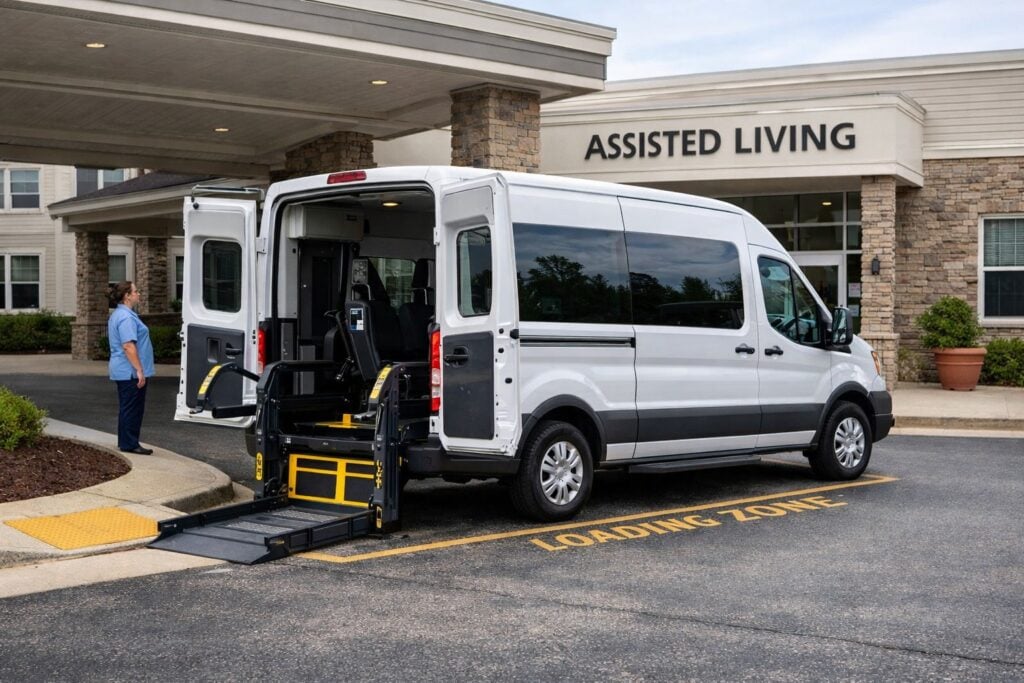
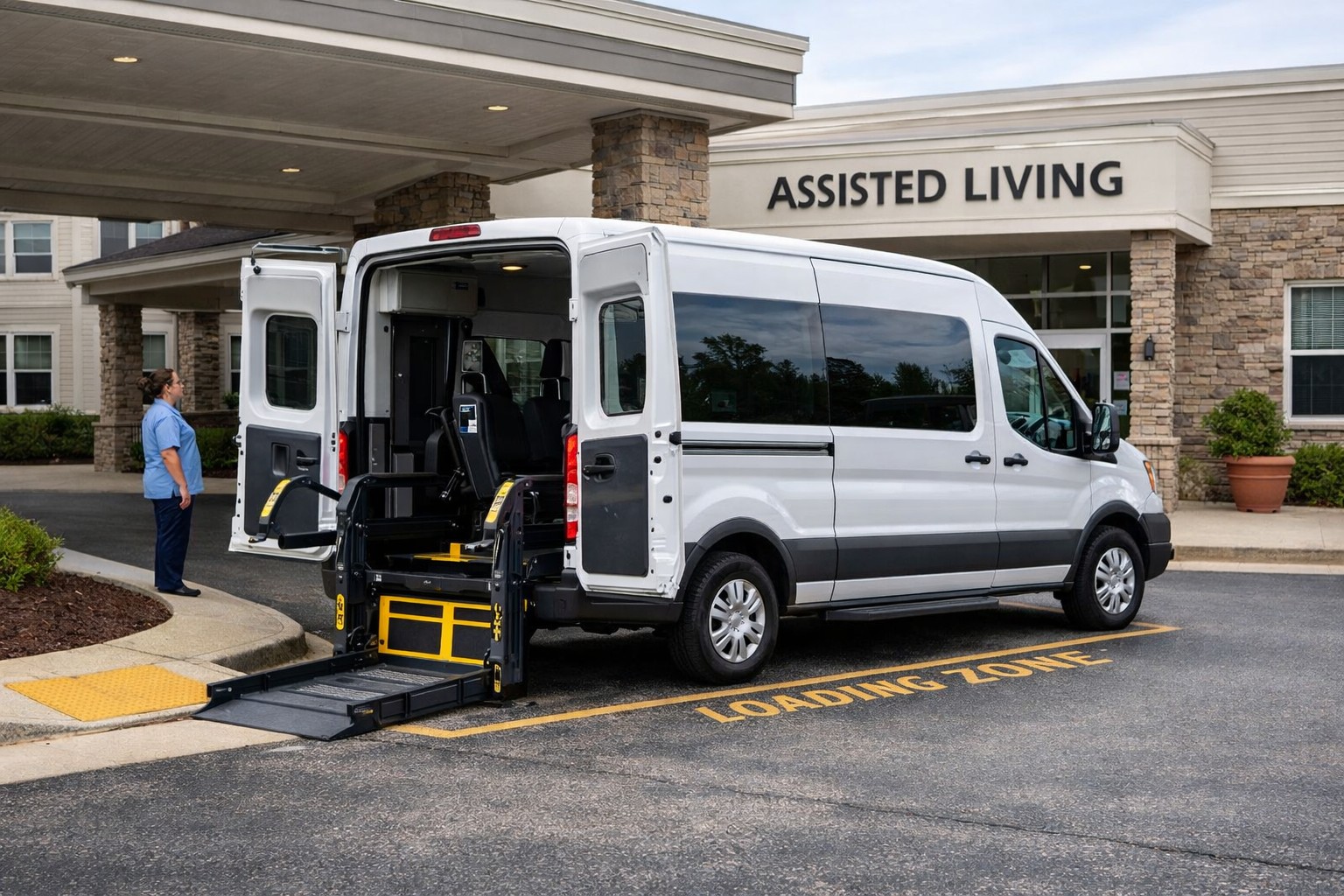
Many families focus on in-facility care such as medication management, hygiene, and supervision. However, transport neglect signs frequently appear outside the building, during loading, unloading, or travel itself. Because these moments happen away from family observation, warning signs may go unnoticed until an injury or behavioral change occurs.
Why Transportation Is a High Risk Stage of Care
Facility transportation combines vulnerable residents with moving vehicles, mechanical equipment, and environmental obstacles. Wheelchair lifts, ramps, and restraints must function properly every time. Staff must manage residents with varying mobility, cognitive awareness, and medical needs while working under time constraints.
When schedules are tight or staffing is limited, safety procedures may be shortened or inconsistently followed. Residents may be left unsecured, rushed onto lifts, or transported in vehicles that lack proper maintenance. These conditions create situations where even small oversights can result in injury, making transportation one of the most overlooked high risk phases of care.
Common Transport Neglect Signs Families May Miss
Transport neglect signs are often subtle and develop over time rather than appearing as a single dramatic incident. Patterns and repetition are often more meaningful than isolated events.
Residents may return from outings with unexplained bruising on the arms, legs, or shoulders. Wheelchair users may appear shaken, unusually fatigued, or withdrawn after transport. Clothing may be disheveled, seat belts mispositioned, or assistive devices no longer adjusted correctly.
Behavioral changes are also common. Increased anxiety around outings, resistance to leaving the facility, or agitation after transportation may reflect fear or discomfort related to prior unsafe experiences.
Equipment and Vehicle Related Red Flags
Many transport neglect signs stem from equipment issues rather than obvious staff misconduct. Transport vans, wheelchair lifts, and restraint systems require regular inspection and correct operation.
Loose or improperly fastened wheelchair restraints increase the risk of tipping or sliding during transit. Malfunctioning lifts can jolt residents or force staff to maneuver equipment manually in unsafe ways. Worn seat belts, broken handholds, and unstable seating surfaces all increase the likelihood of falls or impact injuries.
When equipment problems recur, they often point to systemic neglect rather than isolated mistakes.
Environmental Hazards During Loading and Unloading
The environment surrounding transport is just as important as the vehicle itself. Many injuries occur during loading and unloading rather than while the vehicle is moving.
Uneven pavement, cracked ramps, or sloped loading zones can destabilize wheelchairs and walkers. Poor lighting may obscure hazards during early morning or evening transport. Obstructed walkways may force staff to maneuver residents through unsafe paths.
When these conditions persist without correction, they represent clear transport neglect signs that place residents at ongoing risk.
Injuries Commonly Seen After Unsafe Facility Transportation
Transportation related injuries in nursing home settings often differ from traditional vehicle crashes, but they can be just as serious. Because residents are frequently seated in wheelchairs or assisted devices, injuries often result from sudden movement, improper restraint, or falls during loading and unloading rather than high speed impact.
Injuries frequently seen in these incidents include:
- Head injuries from sudden jolts or lift malfunctions
Abrupt movement during lift operation or unsecured seating can cause the head to strike vehicle surfaces or equipment, even at low speeds. - Neck and spinal strain from improper positioning
Poor wheelchair alignment or lack of head and trunk support can place stress on the cervical and lumbar spine during transit. - Shoulder and arm injuries from handling errors
Residents may experience joint strain or soft tissue injury when staff reposition wheelchairs or assistive devices incorrectly. - Hip, leg, and pelvic injuries from loading or unloading falls
Uneven ramps, unstable lifts, or rushed transfers increase fall risk during entry and exit from transport vehicles. - Internal injuries or bruising that develop later
Older adults may bruise easily and not immediately report pain, leading to delayed discovery of injuries.
Documentation and Oversight Issues That Often Follow Transport Neglect
When injuries occur during nursing home transportation, determining what happened can be difficult. These incidents frequently take place outside the main facility and away from family observation, creating gaps in oversight and documentation.
Documentation and accountability challenges may include:
- Incomplete or vague transport records
Outings may be logged without detail about restraint use, loading conditions, or equipment performance. - Conflicting explanations from staff
Families may receive different or unclear accounts of how an injury occurred or when it happened. - Lack of incident reports for minor injuries
Bruising or discomfort may be dismissed as routine and never formally documented. - Delayed recognition of transport-related injuries
Symptoms that appear later may not be connected to transportation events. - Unclear responsibility between departments or vendors
Transportation may involve third-party drivers or rotating staff, complicating accountability.
What Happens After a Transportation-Related Injury
Transportation-related injuries are not always immediately obvious. Residents may have difficulty communicating pain, especially when cognitive impairment is present. Stiffness, bruising, or mobility changes may develop hours or days later rather than at the time of transport.
Families may notice changes during routine care, such as bathing or dressing, or observe reluctance to attend future appointments. Understanding how injuries can emerge after transport helps families recognize patterns and identify ongoing safety concerns.
Frequently Asked Questions About Nursing Home Transportation Neglect
Why is transportation a higher risk for nursing home residents?
Transportation combines mobility limitations, mechanical equipment, and environmental exposure that increase injury risk.
What are the most common transport neglect signs?
Unexplained bruising, behavioral changes after outings, improper restraint use, and recurring equipment issues are common indicators.
Can transport injuries appear later?
Yes. Bruising, pain, and stiffness may develop hours or days after unsafe transport.
Do transport injuries always involve vehicle accidents?
No. Many injuries occur during loading, unloading, or equipment operation rather than during vehicle movement.
Why are these issues often overlooked by families?
Transportation occurs outside the facility and away from observation, making patterns harder to detect.
Summary
Transportation is a critical yet frequently overlooked stage of nursing home care. Transport neglect signs often emerge through subtle injuries, behavioral changes, or recurring equipment and environmental issues rather than dramatic incidents. Unsafe handling, poorly maintained vehicles, and hazardous loading conditions can expose residents to avoidable harm. Recognizing these warning signs helps families remain alert to safety risks that extend beyond facility walls.
Contact Lawlor, White & Murphey Today
If you or someone you know has experienced delayed medical care after a car accident, don’t wait any longer. Your health and your legal rights depend on timely action. Speak with a qualified personal injury attorney who can guide you through the process, help you gather evidence, and fight for the compensation you deserve.
Take the next step—schedule a free consultation with Lawlor, White & Murphey today.