
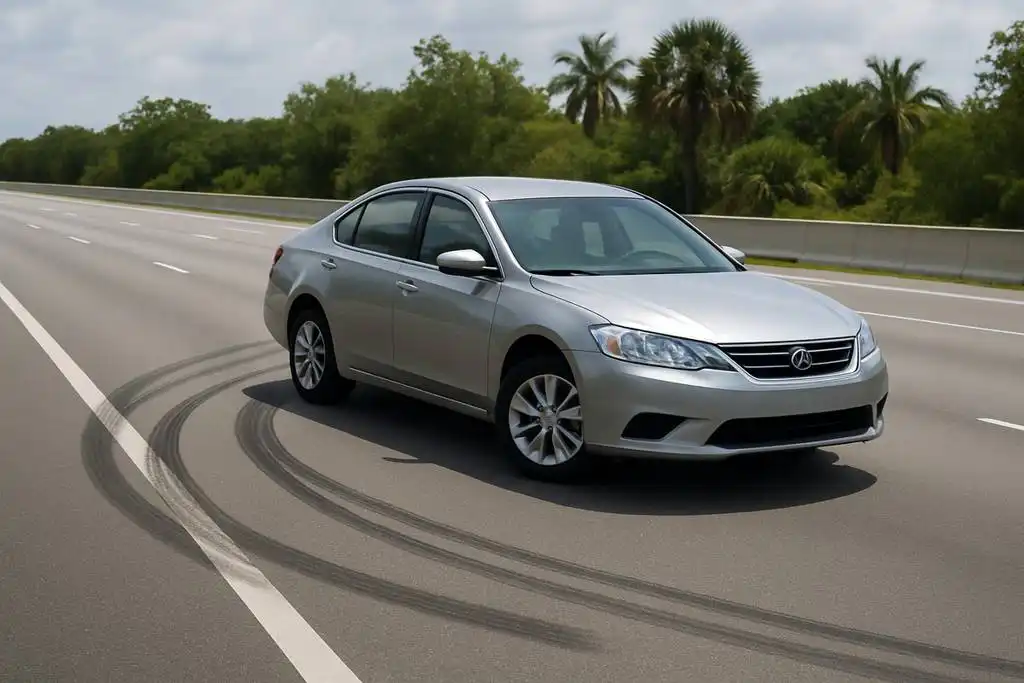
Overcorrection After Loss of Control: How Panicked Steering Movements Cause Rollover Accidents
When a driver suddenly feels the car slip, drift, or pull, the instinct is to jerk the wheel back hard. That split-second reaction feels like the right move, but it is one of the most common ways a routine loss of control turns into a violent rollover. The danger is rarely the first mistake. It is the panicked correction that follows.
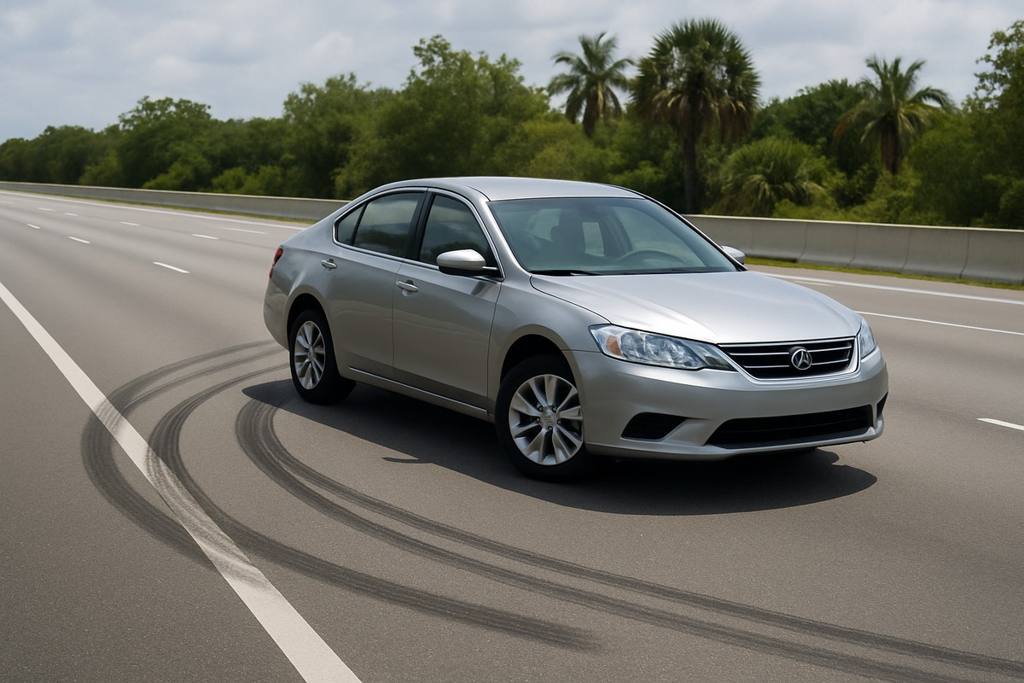
Overcorrection crashes happen fast and often involve only one vehicle, which can make victims wrongly assume no one else is responsible. In reality, the chain of events that forces a driver to react usually traces back to something or someone else, and that matters for both safety and any claim you may need to bring.
What Overcorrection Actually Is
Overcorrection is an abrupt, oversized steering input made in response to a sudden problem. A wheel drifts onto the shoulder, a tire loses grip, or another car drifts into the lane, and the driver yanks the wheel to recover. The correction is far larger than the situation needed, and the car swings past center instead of settling.
Why the Panic Reaction Backfires
At highway speed, a sharp steering input shifts a vehicle’s weight violently from one side to the other. The car begins to sway, and a second correction in the opposite direction makes the sway worse. This back-and-forth can throw the vehicle sideways. Once the tires are loaded sideways, the stage is set for a skid, a spin, or a rollover.
What Triggers the Initial Loss of Control
Overcorrection usually starts with something sudden. A tire blowout. Drifting onto a soft or dropped shoulder edge. Hydroplaning in Florida rain. Debris in the road. Another driver crossing into the lane. None of these requires a rollover on its own, but each can provoke the panic steering that does.
How It Leads to a Rollover
Rollovers need a trip point or a strong sideways force. When an overcorrecting vehicle slides sideways and a tire catches the pavement edge, a curb, or grass, the sudden grip can flip it. Taller vehicles are especially vulnerable, but any car pushed hard enough sideways can roll. The result is one of the most dangerous crash types on the road.
Where This Happens in South Florida
Long, fast stretches of I-95, Florida’s Turnpike, and I-75 give small problems room to become big ones. Sudden storms, standing water, and construction lane shifts all create the conditions that start a loss of control, and the high speeds leave little margin for a calm recovery.
The Injuries from Rollovers Are Serious
Rollover crashes expose occupants to roof crush, ejection, and repeated impacts as the vehicle turns over. Spinal cord injuries, traumatic brain injuries, and broken bones are common. Seek medical attention the same day even if you feel functional, since serious injuries can be masked at the scene and a clear record protects any claim.
Who May Be at Fault Is Not Always Obvious
Because these crashes often involve a single vehicle, victims assume the driver is solely to blame. That is frequently wrong. Another driver who forced the evasive move may be responsible. A defective tire that blew out, or a poorly maintained roadway with a dangerous shoulder drop, can shift fault elsewhere. Florida’s comparative negligence rule allows fault to be shared among more than one party. You can review state crash and citation data through the Florida Department of Highway Safety and Motor Vehicles.
What to Do after an Overcorrection Crash
Call law enforcement so the sequence of events is documented, since insurers often try to pin everything on the driver who lost control. Get medical care the same day, photograph the road and any shoulder drop, debris, or tire damage, and gather witness information. Speaking with an attorney early helps preserve evidence like a failed tire before it is discarded, which can be central to a motor vehicle accident claim.
How Florida’s No-Fault Rules Apply After a Rollover
Florida operates under a no-fault insurance system, which means your own personal injury protection coverage pays first for medical bills and a share of lost wages no matter how the rollover happened. That coverage is limited, though, and rollover injuries tend to be severe enough to blow past it quickly. When injuries are serious, the law allows you to step outside the no-fault system and pursue an at-fault party directly for the full extent of your losses.
Knowing whether your claim qualifies to step outside no-fault is one of the most important parts of a rollover case. It often turns on the severity and permanence of the injuries, which is why complete medical documentation matters so much. If another driver, a government entity responsible for the road, or a vehicle manufacturer played a part, that opens additional coverage well beyond your own policy.
How Comparative Negligence Affects a Rollover Claim
Florida follows a modified comparative negligence standard, so any compensation is reduced by your share of the blame and barred entirely if you are found more than fifty percent at fault. After a rollover, the insurer will often argue the driver simply overcorrected and caused the whole thing, placing the fault squarely on the victim. That argument ignores what set the emergency in motion in the first place.
Pushing back means showing the real trigger, whether it was a blown tire, a pothole, standing water, or another vehicle that ran you off the line. Physical evidence, the vehicle itself, and sometimes an accident reconstruction expert can establish that the loss of control was not simply careless driving. Keeping the fault where it belongs can be the difference between a reduced offer and a full recovery.
What Compensation May Be Available After a Rollover
Rollover injuries are frequently life-changing, and a claim should reflect the full weight of that. Depending on the case, compensation can cover emergency and ongoing medical treatment, surgery and rehabilitation, lost income, and reduced earning capacity when the injuries keep someone from returning to their prior work. It can also account for pain, lasting physical limitations, and the toll on everyday life that no receipt captures.
Valuing those losses fairly takes more than tallying current bills, because the most expensive consequences of a serious rollover often lie in the future. Medical opinions on long-term care and an honest analysis of lost earnings help establish what the claim is truly worth. Since insurers tend to open with a number far below that figure, it is worth understanding the real value of your case before agreeing to settle.
Summary of Overcorrection Rollover Claims
Overcorrection crashes start with a sudden problem and turn dangerous when a driver jerks the wheel too hard. They often involve a single vehicle, but someone else may still be responsible.
- A sharp steering input at speed can throw a vehicle sideways into a rollover.
- Tire blowouts, shoulder drop-offs, and rain often trigger the panic.
- Another driver, a defective tire, or a poor road edge can create liability.
- Florida’s comparative negligence rule lets fault be shared.
Frequently Asked Questions About Overcorrection Rollover Crashes in Florida
If my car rolled over and no one else hit me, can I still have a claim?
Possibly. A single-vehicle rollover is not automatically your fault. The crash may trace back to a road defect, debris left in the lane, a tire or vehicle defect, or another driver who forced you to react and then kept going. Florida’s no-fault coverage applies to your own medical costs regardless, and if a third party or a defective product contributed, you may have a claim against them. The key is investigating the cause early, before the evidence is cleared away.
Why is jerking the wheel back so dangerous?
A sudden, hard steering input shifts the vehicle’s weight violently from one side to the other. In a tall vehicle with a high center of gravity, that weight transfer can lift the wheels and tip the vehicle before the driver can recover. The instinct to snap the wheel back toward the road is natural, but at speed it often turns a recoverable drift onto the shoulder into a rollover. Easing off the gas and steering smoothly is far safer than a panic correction.
How much does it cost to talk to a lawyer?
Your initial consultation with Lawlor, White & Murphey is free, and these cases are handled on a contingency basis. You do not pay attorney fees up front and owe nothing unless a recovery is obtained for your claim. A rollover often involves questions of road conditions or vehicle defects that are easy to miss, so an early, no-cost conversation can help preserve the proof before it disappears.
Contact a South Florida Rollover Accident Lawyer
If you were hurt in a rollover or single-vehicle crash and you are not sure what really caused it, the team at Lawlor, White & Murphey can investigate the cause and explain your options. The firm helps crash victims across Broward and Palm Beach, and because Florida follows a no-fault insurance system, it is worth knowing when serious injuries let you step outside it and pursue the at-fault party. Call our office for a free, no-pressure conversation.