
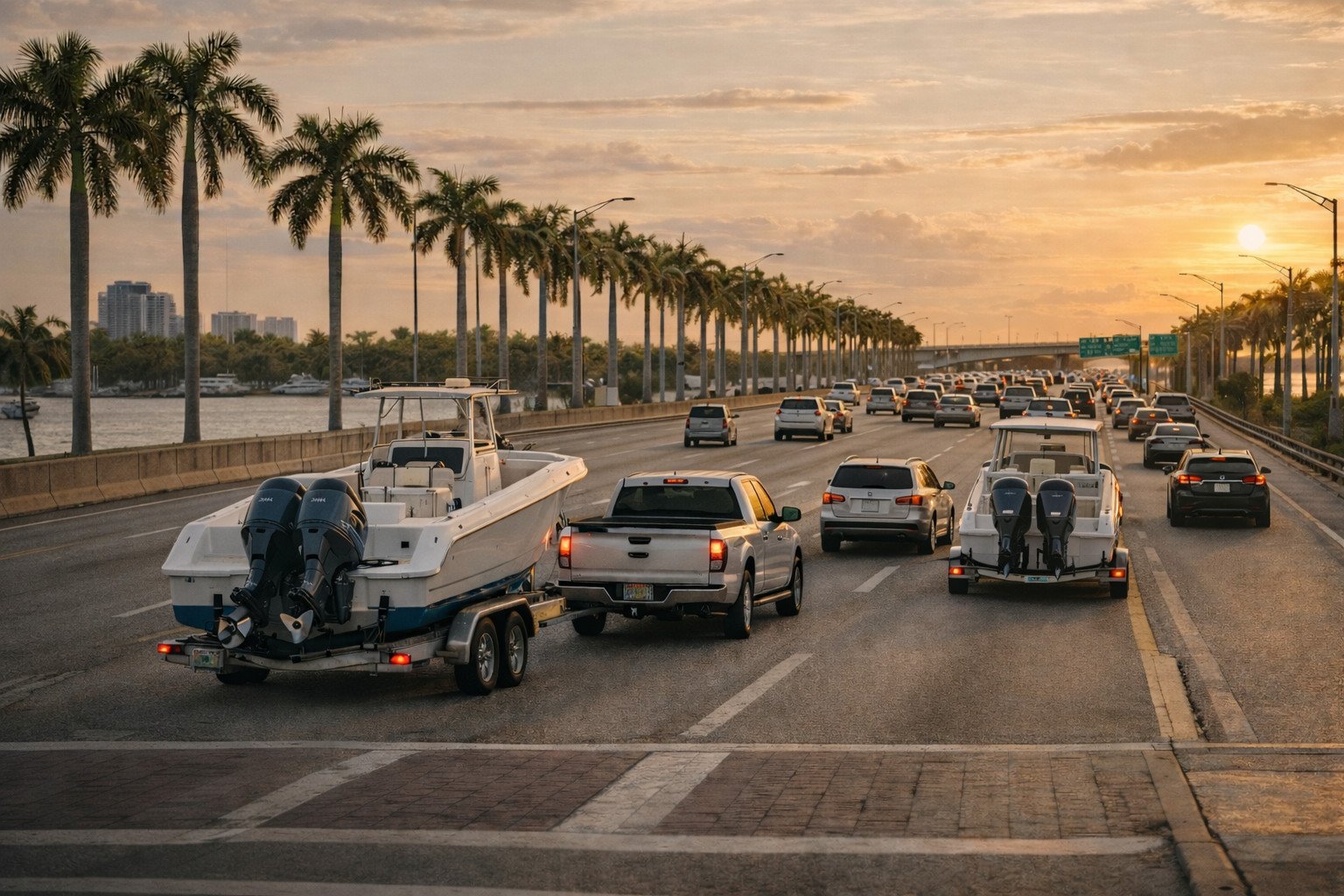
Rental Car Drivers in Tourist Areas: A Growing Factor in Florida Collision Rates
Florida’s roadways change dramatically in areas with heavy tourism. Each year, millions of visitors rent vehicles to travel between airports, hotels, beaches, and entertainment districts. This influx of unfamiliar drivers significantly alters traffic patterns, contributing to an increase in rental collision risks across the state’s busiest tourist zones.
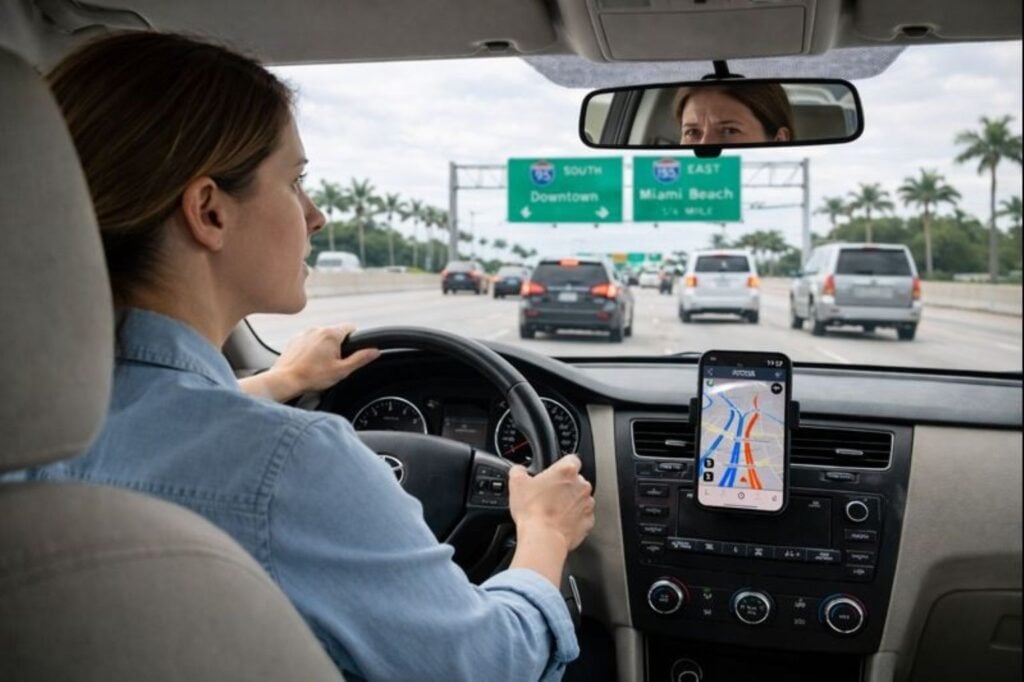
Unlike local drivers, rental car drivers often navigate unfamiliar road layouts, confusing interchanges, and congested corridors while relying heavily on GPS navigation. These challenges are compounded by dense pedestrian activity, frequent lane changes, and sudden stops. As a result, certain tourist areas experience consistently higher collision rates tied directly to rental vehicle use. Many rental related crashes occur near airports, coastal destinations, and downtown attractions. Understanding why these accidents happen requires examining how visitor driving behavior interacts with Florida’s roadway environment.
Why Do Rental Car Drivers Face Higher Collision Risks?
Rental car drivers encounter conditions that differ significantly from everyday driving. Visitors must adapt quickly to unfamiliar vehicles, road systems, and traffic laws while often traveling under time pressure. These factors overlap in tourist zones and increase the likelihood of collisions.
Rental collision risks are especially high in regions where traffic volumes fluctuate throughout the day and where local drivers, commercial vehicles, and pedestrians share limited roadway space. Even experienced drivers may struggle to adjust in these environments.
1. Unfamiliar Roads and Navigation Dependence
One of the most common contributors to rental collision risks is unfamiliarity with local roads. Visitors rely heavily on GPS systems to navigate Florida’s highways and surface streets. Sudden prompts to exit or merge often lead to abrupt lane changes or last minute braking.
Missed turns near toll roads, airport exits, and beach access points are frequent. These navigation errors increase the likelihood of rear end collisions and sideswipe crashes, particularly in high speed or multilane areas.
2. Adjustment to Unfamiliar Vehicles
Rental vehicles vary widely in size, handling, and braking response. Drivers may be unfamiliar with blind spots, acceleration rates, or steering sensitivity. Adjusting to a new vehicle while navigating congested tourist corridors increases reaction time and reduces situational awareness.
Larger rental vehicles such as SUVs and vans are common among tourists traveling with families or groups. These vehicles require more space to maneuver and stop, further increasing collision risk in dense traffic.
3. Toll Road Confusion and Sudden Lane Changes
Florida’s toll road system can be confusing for visitors. Rental car drivers may be unsure which lanes to use, how toll collection works, or whether their vehicle is equipped with electronic tolling.
This uncertainty often results in sudden lane changes, abrupt slowing, or hesitation near toll plazas and express lanes. These behaviors disrupt traffic flow and contribute to rental collision risks, especially on highways near airports and major attractions.
How Tourist Area Congestion Increases Rental Collision Risks
Tourist zones experience constant congestion that differs from standard commuter traffic. Traffic volumes fluctuate throughout the day as visitors travel between hotels, attractions, dining areas, and beaches. Rental car drivers must navigate these shifting patterns while remaining alert to pedestrians and cyclists.
Congestion increases the likelihood of chain reaction collisions. When traffic slows suddenly, drivers unfamiliar with local patterns may not brake in time. These crashes often involve multiple vehicles and can block lanes, creating additional hazards.
Common Congestion Related Triggers
Examples include:
-
Sudden slowdowns near airport exits
-
Lane merges around beach access roads
-
Traffic backups caused by pedestrian crossings
-
Heavy rideshare and shuttle vehicle activity
These conditions are especially dangerous when rental drivers are distracted by navigation systems or searching for destinations.
High Risk Tourist Corridors and Rental Collision Zones
Certain Florida areas consistently experience higher rental collision risks due to concentrated tourist activity. These zones combine unfamiliar drivers, complex road layouts, and heavy pedestrian movement.
High risk tourist corridors often include:
- Roads surrounding major airports
- Beachfront highways and causeways
- Downtown entertainment districts
- Routes serving theme parks and resorts
Drivers entering these areas may encounter aggressive lane changes, sudden stops, and unpredictable traffic behavior, all of which contribute to frequent rental related collisions.
Environmental Factors That Increase Rental Collision Risk
Florida’s environment adds another layer of complexity for rental car drivers. Sudden rainstorms can reduce visibility and traction, especially for visitors unfamiliar with wet road conditions. Slick pavement and standing water increase the likelihood of loss of control.
Heavy pedestrian activity in tourist zones also increases collision risk. Visitors crossing streets unexpectedly, unfamiliar crosswalk layouts, and crowded sidewalks create additional hazards for drivers already navigating unfamiliar roads.
Injuries Common in Rental Vehicle Collisions
Rental vehicle collisions often occur in congested areas and may involve multiple impacts. Even low speed crashes can result in significant injuries due to repeated impacts or sudden deceleration.
Injuries frequently seen in rental related crashes include:
- Traumatic brain injuries from sudden stops
- Neck and spinal injuries caused by rapid deceleration
- Soft tissue injuries affecting the shoulders and back
- Fractures to arms, legs, or ribs
- Internal injuries that may not be immediately apparent
Because rental drivers are often far from home, injured individuals may face challenges coordinating follow up care or continuing treatment after travel ends.
Insurance and Claim Challenges in Rental Vehicle Crashes
Rental collision risks also extend to insurance complications. Claims may involve rental companies, personal auto insurers, credit card coverage, and multiple parties. Determining coverage priority can delay resolution.
Insurance challenges may include:
- Disputes over rental agreement coverage
- Conflicting policies between drivers and rental companies
- Delays involving out of state insurers
- Difficulty obtaining witness statements from tourists
Thorough documentation and timely reporting are critical in rental related collision cases.
What To Do After a Rental Vehicle Collision
Crashes involving rental vehicles often occur in unfamiliar locations, increasing stress and confusion. Taking certain steps can help protect health and preserve important information.
Step 1: Seek medical evaluation, even if injuries seem minor.
Step 2: Document the crash scene, including traffic patterns and signage.
Step 3: Collect contact and insurance information from all involved parties.
Step 4: Keep copies of rental agreements and travel details.
Step 5: Track symptoms and treatment received during and after travel.
Frequently Asked Questions
Why are rental car drivers involved in more collisions in tourist areas?
Rental drivers often navigate unfamiliar roads, rely heavily on GPS, and drive vehicles they are not accustomed to. These factors increase rental collision risks in congested tourist zones.
Do toll roads contribute to rental collision risks?
Yes. Toll lane confusion and sudden lane changes near toll plazas frequently contribute to rental related crashes.
Are rental vehicle collisions more complex to insure?
They often are. Multiple insurance policies and rental agreements can complicate claims and delay resolution.
Where do rental related collisions occur most often?
Most occur near airports, beaches, downtown attractions, and major tourist corridors.
Can injuries appear after leaving the accident scene?
Yes. Adrenaline can mask pain initially, and symptoms may develop hours or days later.
Summary: Why Rental Car Drivers Increase Collision Rates in Tourist Areas
Rental vehicles play a significant role in Florida’s collision statistics, particularly in high traffic tourist zones. Unfamiliar roads, GPS dependence, toll road confusion, environmental conditions, and dense pedestrian activity combine to elevate rental collision risks.
Understanding how tourist driving patterns affect roadway safety helps explain why these collisions occur so frequently in Florida’s busiest visitor destinations.
Contact Lawlor, White & Murphey Today
If you or someone you know has experienced delayed medical care after a car accident, don’t wait any longer. Your health and your legal rights depend on timely action. Speak with a qualified personal injury attorney who can guide you through the process, help you gather evidence, and fight for the compensation you deserve.
Take the next step—schedule a free consultation with Lawlor, White & Murphey today.