
Shopping Center Parking Areas: Why Vehicle Accidents Increase During Peak Times
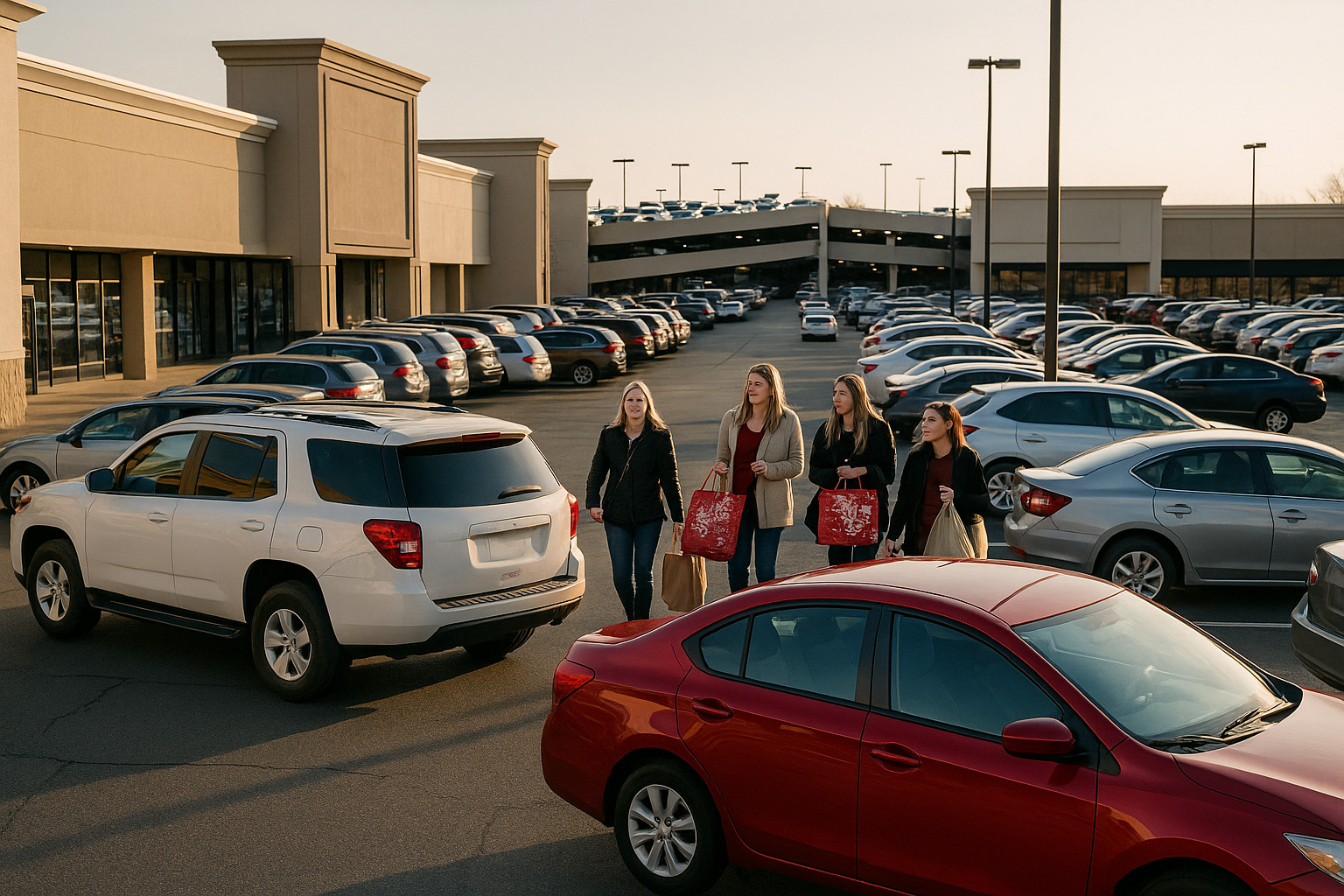
Shopping centers are designed to accommodate large volumes of vehicles and pedestrians, but they are rarely built to handle peak congestion safely. During busy shopping periods, parking areas become crowded, chaotic, and unpredictable. Drivers circle for spaces, pedestrians weave between cars, and traffic patterns break down quickly.
Unlike roadways governed by traffic signals and clear lane markings, parking areas rely heavily on driver judgment and courtesy. When pressure increases and patience wears thin, mistakes happen. Shopping parking accidents often occur at low speeds, but the injuries and damage that result can still be significant, especially when pedestrians are involved.
Many drivers underestimate the risk of parking lot crashes because speeds are lower than on public roads. In reality, the combination of congestion, poor visibility, and constant movement creates conditions where collisions are frequent and often unavoidable.
Why Do Vehicle Accidents Increase in Shopping Center Parking Areas?
Shopping center parking areas present a unique mix of hazards that drivers do not encounter on regular roadways. Traffic flows in multiple directions, vehicles stop without warning, and pedestrians move unpredictably between parked cars. During peak times, these factors overlap and intensify.
Shopping parking accidents become more likely when drivers are distracted, rushed, or unfamiliar with the layout of the lot. Unlike city streets, parking areas often lack clear right of way rules, leaving drivers to make quick decisions in tight spaces.
1. Tight Turning Lanes and Limited Space
Many parking areas are designed to maximize the number of spaces rather than improve traffic flow. Turning lanes are narrow, corners are sharp, and vehicles have little room to maneuver. When larger vehicles such as SUVs and pickup trucks navigate these spaces, the margin for error shrinks further.
Drivers may clip adjacent vehicles, misjudge turning angles, or strike cars backing out of spaces. These tight conditions contribute to side impact and angle collisions that are common in shopping center lots.
2. Obstructed Visibility
Parked vehicles block sight lines at intersections and cross lanes within parking areas. Drivers pulling out of spaces often cannot see approaching traffic or pedestrians until they are already moving. This is especially dangerous when vehicles are parked close together or when landscaping elements further reduce visibility.
Obstructed visibility is one of the most common contributors to shopping parking accidents involving pedestrians and cyclists.
3. Sudden Stops and Pedestrian Movement
Pedestrians frequently stop, turn, or step into travel lanes without warning. Shoppers carrying bags, pushing carts, or guiding children may not be fully aware of approaching vehicles. Drivers who stop suddenly to avoid pedestrians may be rear ended by vehicles following too closely.
How Driver Behavior Contributes to Parking Lot Collisions
Shopping center parking areas are most dangerous during specific periods when traffic volume spikes. These peak times combine congestion with urgency, creating an environment where drivers take risks they might otherwise avoid.
High risk periods often include:
- Holiday shopping seasons and promotional sales
- Weekends and evenings
- Back to school and end of year retail events
- Bad weather days when more shoppers drive instead of walking
During these times, parking areas operate beyond their intended capacity. Drivers circle repeatedly, frustration increases, and attention shifts from safety to finding a space quickly.
How Driver Behavior Contributes to Parking Lot Collisions
Driver behavior plays a significant role in shopping parking accidents. Even cautious drivers may make poor decisions when under pressure or distracted.
Common Risky Behaviors in Parking Areas
Examples include:
- Speeding through cross lanes to reach an open space
- Cutting through rows instead of using designated travel lanes
- Reversing out of spaces without checking blind spots
- Following too closely behind slow moving vehicles
- Focusing on open spaces instead of surrounding traffic
These behaviors increase the likelihood of rear end crashes, sideswipes, and pedestrian strikes.
Parking Garages Add Additional Hazards
Multi level parking garages introduce another layer of risk. Poor lighting, tight ramps, and low ceilings make visibility even worse. Drivers may struggle to judge distances or see pedestrians crossing between vehicles.
In garages, sound echoes and visual cues are limited. Vehicles entering or exiting ramps may appear suddenly, leaving little time to react. Shopping parking accidents in garages often involve angle impacts, mirror strikes, and collisions at ramp entrances.
Injuries Common in Shopping Center Parking Accidents
Although parking lot crashes typically occur at lower speeds, injuries can still be serious. Pedestrians are particularly vulnerable, as even a slow moving vehicle can cause significant harm.
Injuries Often Seen in These Accidents
- Broken bones in the legs, arms, or wrists
- Head injuries from falls after impact
- Soft tissue injuries to the neck and back
- Knee and hip injuries from bumper level impacts
- Bruising and internal injuries
Drivers and passengers may also suffer injuries from sudden stops or side impacts, particularly when seat belts are not fully engaged during short parking lot drives.
Insurance Complications in Parking Area Accidents
Shopping parking accidents often lead to insurance disputes. Because these incidents occur on private property, fault is not always clear. Insurance companies may argue that both drivers share responsibility or that pedestrian behavior contributed to the accident.
Lack of traffic signals, faded markings, and unclear right of way rules complicate claim evaluations. Witnesses may be limited, and security camera coverage is not always available or accessible.
Common Claim Complications
- Disputes over who had the right of way
- Conflicting driver statements
- Difficulty proving speed or distraction
- Limited documentation of the scene
These challenges make thorough documentation especially important.
What To Do After a Parking Lot Accident
Parking lot accidents can feel minor at first, but taking proper steps matters.
Step 1: Seek medical evaluation if anyone is injured, even if symptoms seem minor.
Step 2: Photograph vehicle positions, damage, and surrounding conditions.
Step 3: Collect contact information from drivers and witnesses.
Step 4: Note lighting conditions, signage, and pavement issues.
Step 5: Report the incident to property management if applicable.
Prompt documentation helps clarify how the accident occurred and protects against later disputes.
Frequently Asked Questions
Why do parking lot accidents happen so often during busy shopping times?
Parking areas become congested during peak shopping periods. Drivers rush to find spaces, visibility is limited, and pedestrians move unpredictably. These conditions increase shopping parking accidents even at low speeds.
Are parking lot accidents considered less serious than road accidents?
Not necessarily. While speeds are lower, injuries can still be significant, especially for pedestrians. Falls, head injuries, and fractures are common outcomes of parking lot collisions.
Who is usually at fault in a parking lot accident?
Fault depends on the specific circumstances. Because parking areas lack clear traffic controls, insurers often review driver behavior, visibility, and pedestrian movement to determine responsibility.
Do parking garages pose different risks than open lots?
Yes. Garages have poor lighting, tight spaces, and limited visibility. Accidents often occur at ramps, corners, and entry points where drivers have little time to react.
Should minor parking lot crashes still be documented?
Yes. Even low speed collisions can cause injuries that appear later. Documentation helps protect health and clarifies what happened if insurance disputes arise.
Summary: Why Parking Areas Are Higher Risk Than They Appear
Shopping center parking areas create a unique set of hazards that increase shopping parking accidents during peak times. Congestion, tight spaces, obstructed visibility, and heavy pedestrian movement combine to make these environments unpredictable. Even low speed collisions can lead to serious injuries and complicated insurance claims.
Understanding how parking lot accidents occur helps drivers recognize risks that are often overlooked in everyday retail environments.
Contact Lawlor, White & Murphey Today
If you or someone you know has experienced delayed medical care after a car accident, don’t wait any longer. Your health and your legal rights depend on timely action. Speak with a qualified personal injury attorney who can guide you through the process, help you gather evidence, and fight for the compensation you deserve.
Take the next step—schedule a free consultation with Lawlor, White & Murphey today.