
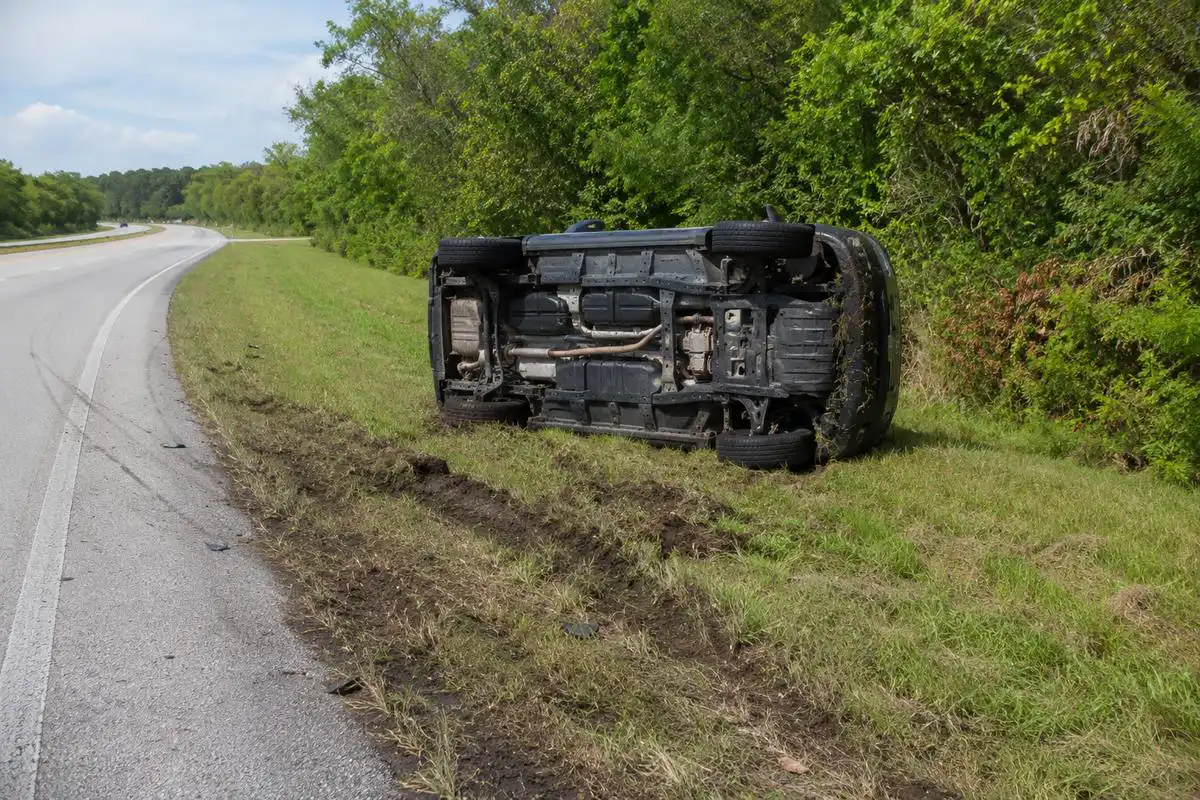
SUV and Tall Vehicle Rollover Risks: Understanding the Physics of High-Center-of-Gravity Crashes
Sport utility vehicles and pickup trucks are popular for good reasons. They sit high, they feel solid, and they give drivers a commanding view of the road. That same tall, heavy build, though, carries a tradeoff that many owners never think about until something goes wrong: these vehicles are far more likely to roll over than a low-slung car.
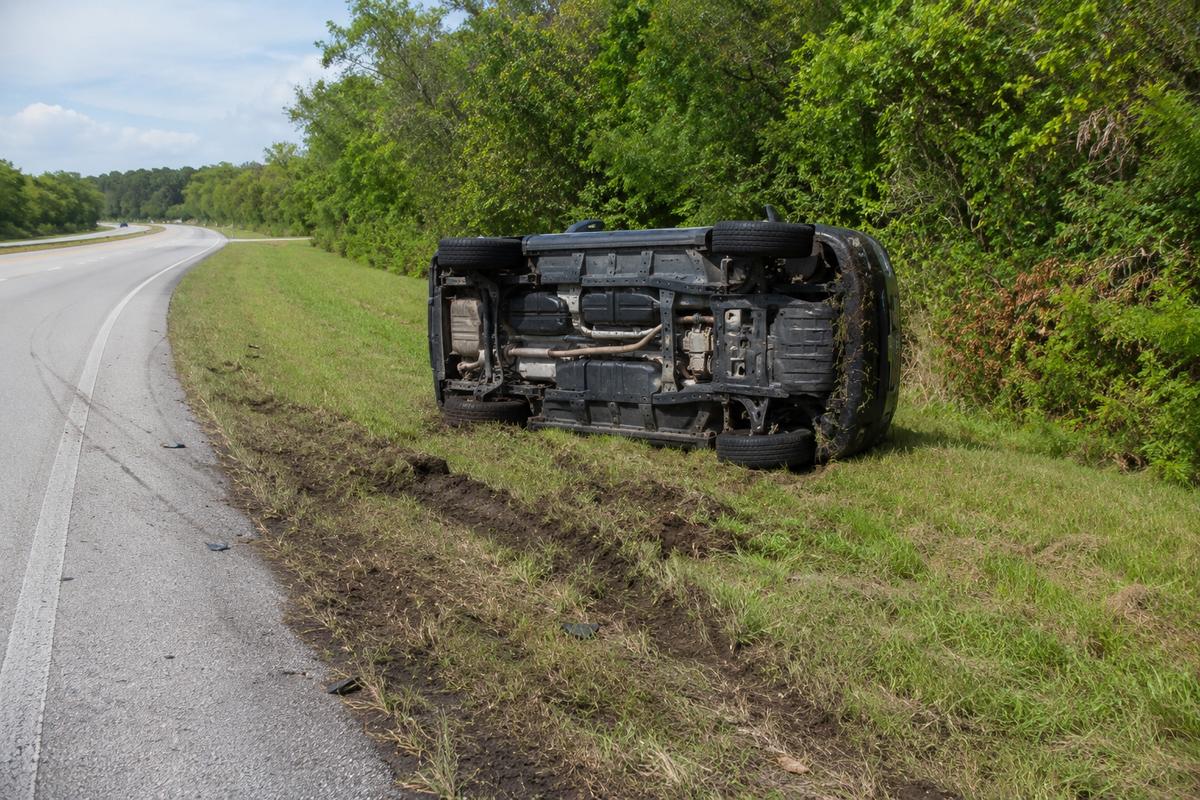
Rollovers are among the deadliest crashes on the road, and the physics behind them are not complicated. Understanding why tall vehicles tip can help you drive yours more safely, and it can help you understand what happened if you or a loved one is hurt in one.
Why Tall Vehicles Roll More Easily
Every vehicle has a center of gravity, the balance point around which its weight is distributed. In a tall SUV or truck, that point sits much higher off the ground than in a sedan. The higher the center of gravity relative to the width between the wheels, the less sideways force it takes to lift the inside tires and start a roll.
The Center of Gravity Problem in Plain Terms
Picture trying to tip over a wide, flat box versus a tall, narrow one. The tall box goes over with a gentle push, while the flat one barely budges. A tall vehicle behaves the same way in a hard turn or a sudden swerve. The weight up high wants to keep moving sideways even as the tires try to hold the road, and at some point the balance loses.
When the Risk Spikes
Rollover risk climbs sharply during abrupt maneuvers: a fast lane change to avoid debris, a sharp exit-ramp curve taken too quickly, or a panicked swerve. It also climbs when a sliding tire catches a curb, a soft shoulder, or grass, which can trip the vehicle into a roll. Speed makes all of it worse.
Common Real-world Scenarios
Many SUV rollovers happen without any other vehicle making contact. A driver overcorrects after drifting onto the shoulder. A tire blows out and the vehicle lurches. A sudden swerve at highway speed sets off a side-to-side sway that ends on the roof. In other cases, a side impact from another car is enough to tip a tall vehicle that a sedan would have absorbed.
Where This Happens in South Florida
High-speed corridors like I-95, Florida’s Turnpike, and I-75, along with their curving ramps, are where tall vehicles meet the conditions that cause rolls. Add sudden rain, standing water, and heavy merging traffic, and the sharp maneuvers that trigger a rollover become more likely.
The Injuries Are Often Catastrophic
When a vehicle rolls, occupants face roof crush, shattered glass, and the risk of ejection if a seatbelt fails or is not worn. The injuries tend to be severe: spinal cord damage, traumatic brain injuries, and serious fractures. Anyone involved in a rollover should be evaluated by a doctor right away, since the forces involved can cause harm that is not obvious at the scene.
Who May Be Responsible
A rollover is not automatically the driver’s fault. Another motorist who forced an evasive move or struck the vehicle may be liable. A defective tire or a known vehicle design flaw can shift responsibility to a manufacturer. A poorly maintained road with a dangerous drop-off at the edge can also play a role. Florida’s comparative negligence rule lets fault be divided among more than one party. You can review state crash and citation data through the Florida Department of Highway Safety and Motor Vehicles.
What to Do after an SUV Rollover
Call law enforcement and make sure a report documents how the crash unfolded. Get medical care the same day, photograph the vehicle and the scene, and note any tire damage or road conditions. Because a rollover motor vehicle accident can involve a defective part, it helps to talk with an attorney before the vehicle is repaired or scrapped so the evidence is preserved.
How Florida’s No-Fault Rules Apply After an SUV Rollover
Florida operates under a no-fault insurance system, so your own personal injury protection coverage pays first for medical bills and a share of lost wages no matter how the rollover happened. That coverage is limited, and the head, neck, and spine injuries common in a rollover tend to exceed it quickly. When injuries are serious, the law allows you to step outside the no-fault system and pursue an at-fault party for the full extent of your losses.
Whether your claim qualifies to step outside no-fault usually depends on the severity and permanence of the injuries, which is why thorough medical documentation matters so much. If a manufacturer, a tire maker, or a government entity responsible for the road contributed, that opens coverage well beyond your own policy and changes what a full recovery looks like.
When a Vehicle or Roof Defect Shares the Blame
Not every rollover is purely about how the vehicle was driven. Some tall vehicles are more rollover-prone by design, and federal regulators have recalled models for stability problems over the years. A roof that crushes inward during a roll, seat belts that allow too much slack, or an electronic stability control system that fails to engage can each turn a survivable rollover into a catastrophic one.
Proving that kind of defect takes preserving the vehicle, reviewing recall and technical-bulletin history, and often bringing in an engineering expert. Because a totaled SUV can be sold for salvage within days, holding onto it is critical. When a defect contributed, a product liability claim against the manufacturer can reach far more coverage than any personal auto policy provides.
What Compensation an SUV Rollover Claim Can Cover
Rollover injuries are frequently catastrophic, and a claim should reflect that. Depending on the case, compensation can cover emergency and ongoing medical treatment, surgery and rehabilitation, lost income, and reduced earning capacity when the injuries keep someone from returning to their prior work. It can also account for pain, permanent limitations, and the lasting effect on everyday life.
Valuing those losses fairly means looking past current bills to the future cost of care and lost earnings, supported by medical opinion and presented so the insurer cannot dismiss it. Since opening offers on serious claims tend to come in far below their real value, it is worth understanding what your case is truly worth before agreeing to settle. An honest case evaluation can compare that figure against the offer on the table, and the right time to ask those questions is early, while the evidence that supports the claim is still available.
Summary of SUV Rollover Risk Claims
SUVs and tall vehicles roll more easily because their weight sits higher off the ground. Rollovers are among the deadliest crashes, and the cause is not always the driver.
- A high center of gravity means less force is needed to tip the vehicle.
- Sharp maneuvers, tripping on a curb, and speed all raise the risk.
- A defective tire, a design flaw, or another driver can create liability.
- Injuries from roof crush and ejection are often catastrophic.
Frequently Asked Questions About SUV Rollover Crashes in Florida
Are SUVs really more dangerous in a rollover?
Yes. A taller body and a higher center of gravity make SUVs, vans, and pickups more prone to tipping than a low passenger car, especially during a hard swerve or a sharp curve taken at speed. That does not mean a rollover is the driver’s fault. Road conditions, tire failures, and the design of the vehicle itself all play a part, and modern stability systems are supposed to reduce the risk. When a tall vehicle rolls, the cause is worth a close look rather than an assumption.
My SUV rolled with no other car involved. Do I have a case?
Possibly. A single-vehicle rollover is not automatically the driver’s fault. The crash may trace to a defective tire, a stability or roof-strength defect, debris or standing water in the lane, or a poorly maintained road. Florida’s no-fault coverage applies to your medical costs regardless, and if a manufacturer or another party contributed, you may have a claim against them. The answer depends on a real investigation of why the vehicle went over.
How much does it cost to talk to a lawyer?
Your initial consultation with Lawlor, White & Murphey is free, and these cases are handled on a contingency basis. You pay no attorney fees up front and owe nothing unless a recovery is obtained for your claim. Rollover cases often turn on vehicle and road evidence that disappears fast, so a prompt, no-cost conversation helps preserve what your case may depend on.
Contact a South Florida Rollover Accident Lawyer
If you or someone you love was hurt in an SUV or truck rollover, the team at Lawlor, White & Murphey can investigate the cause and explain your options. The firm helps crash victims across Broward and Palm Beach, and because Florida follows a no-fault insurance system, it is worth knowing when serious injuries let you step outside it and pursue the at-fault party. Call our office for a free, no-pressure conversation about what happened.