
Why Parking Lot Blind Spots Cause More Vehicle Collisions Than Drivers Realize
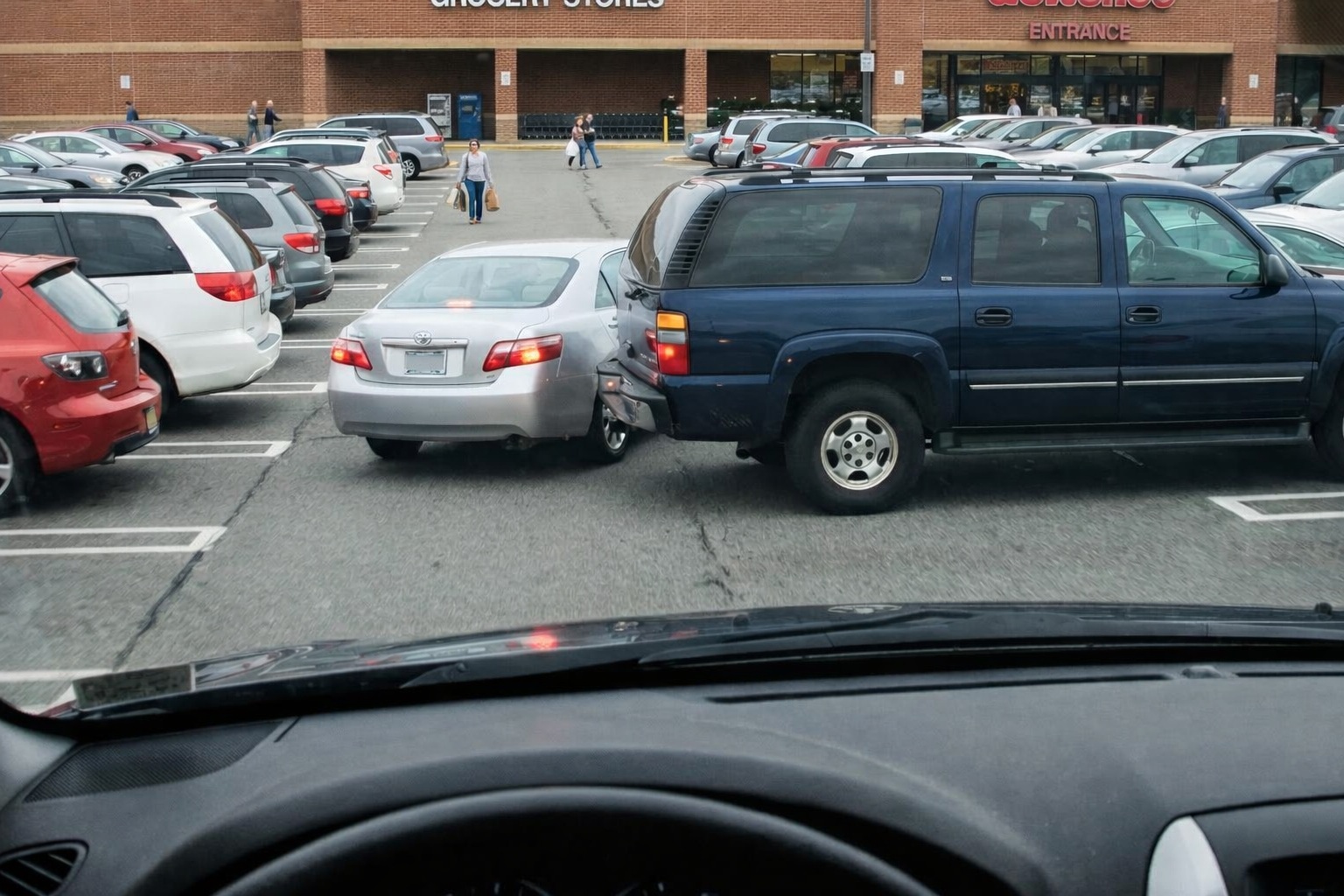
Parking lots are often viewed as low risk driving environments, but parking blind spot risks tell a very different story. Unlike highways or city streets, parking lots compress vehicles, pedestrians, shopping carts, and structural obstacles into tight spaces where visibility is constantly restricted. Drivers are frequently required to reverse from parking spaces while navigating narrow travel lanes and scanning for approaching vehicles that may appear suddenly from behind parked cars.
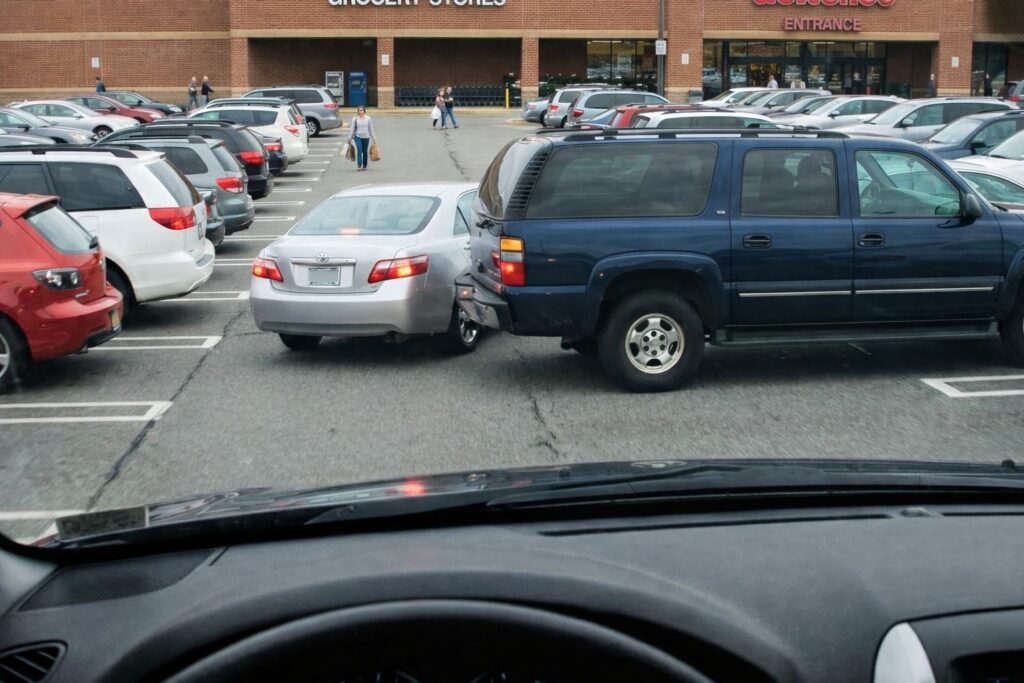
These visibility limitations create conditions where drivers cannot always see cross traffic or pedestrians until the final moment before impact. Parking blind spot risks increase further when tall vehicles, structural pillars, and poorly designed layouts obstruct sightlines. As a result, even cautious drivers can find themselves involved in collisions while traveling at relatively low speeds.
Structural Layouts That Create Parking Blind Spot Risks
The physical design of many parking lots contributes directly to visibility limitations. Modern vehicles are larger than in previous decades, while many parking facilities were designed for smaller cars and lighter traffic volumes. When large SUVs and trucks fill these spaces, they create barriers that block sightlines between drivers attempting to exit parking spaces and vehicles traveling through driving lanes.
Angled parking rows further complicate these interactions. Drivers backing out of angled spaces must often turn their vehicles while reversing, which reduces their ability to monitor cross traffic approaching from both directions. At the same time, vehicles traveling through the lane may be partially hidden behind adjacent parked vehicles until they are very close.
Parking blind spot risks increase when structural elements such as pillars, walls, landscaping features, or signage interrupt already limited visibility. These obstacles create predictable blind zones where drivers must make decisions without a complete view of their surroundings.
Large Vehicles and Tall SUVs Block Critical Sightlines
The growing popularity of large SUVs and pickup trucks has unintentionally increased parking blind spot risks across many parking environments. These vehicles sit higher off the ground and often extend further into parking rows, making it harder for drivers in smaller vehicles to see past them.
When two large vehicles park beside one another, they can completely block visibility for drivers attempting to reverse from the center space between them. In these situations, drivers must often move several feet into the driving lane before they gain a clear view of approaching traffic.
This delayed visibility creates a dangerous moment where both drivers may be unable to detect each other until they are already moving into the same space. The result is a higher likelihood of sideswipe collisions, rear corner impacts, or sudden braking that leads to contact.
Pedestrian Movement Adds Unpredictable Hazards
Parking lots function as shared environments where vehicles and pedestrians move through the same space without clearly defined traffic separation. Shoppers frequently walk between parked vehicles, push carts across driving lanes, or step into travel paths while carrying packages or looking for their cars.
These movements are not always predictable from a driver’s perspective. A pedestrian may appear suddenly from between two parked vehicles just as a driver begins reversing from a parking space. When visibility is already restricted by parked vehicles, drivers may not detect pedestrians until they are very close.
Parking blind spot risks increase further in busy retail areas where pedestrian traffic remains constant throughout the day. The combination of moving vehicles, distracted shoppers, and tight spaces creates an environment where drivers must process multiple hazards simultaneously.
Lighting Conditions and Narrow Lanes Increase Parking Blind Spot Risks
Lighting conditions can significantly affect driver visibility inside parking lots. Dim lighting, burned out fixtures, or shadowed parking rows can reduce a driver’s ability to judge distance and detect approaching vehicles.
Narrow travel lanes also contribute to collision risk. Drivers navigating tight rows must divide attention between steering around parked vehicles and monitoring cross traffic entering the lane from intersecting aisles.
When multiple vehicles attempt to pass through narrow lanes simultaneously, small steering adjustments or hesitation can quickly lead to contact. These conditions increase parking blind spot risks even when vehicles are moving slowly.
What to Do After a Parking Lot Collision
he steps taken immediately after a parking lot collision can influence both medical outcomes and the clarity of the accident investigation. Because these incidents often occur at low speeds and in confined spaces, drivers may initially believe the crash is minor. However, injuries and vehicle damage may become more apparent after leaving the scene.
Important actions after a parking lot accident include:
Seek medical evaluation promptly
Even low speed impacts can produce injuries that are not immediately obvious. Neck strain, back pain, and soft tissue injuries may develop hours after the collision.
Photograph the scene before vehicles are moved
Capture vehicle positioning, nearby parked cars, lighting conditions, and any obstacles that may have limited visibility. These details can help illustrate how parking blind spot risks contributed to the accident.
Document the layout of the parking area
Note the specific row, parking space, or intersection where the collision occurred. Structural elements such as pillars, landscaping, or signage may have played a role in restricting visibility.
Identify witnesses when possible
Other drivers or pedestrians in the parking lot may have observed how the collision occurred or which vehicle entered the driving lane first.
Monitor symptoms that appear later
Pain, stiffness, dizziness, or headaches may develop after the adrenaline of the accident fades. These symptoms should be evaluated by a medical professional if they persist.
Summary: Why Parking Blind Spot Risks Are Often Underestimated
Parking lots compress vehicles, pedestrians, and structural obstacles into spaces where visibility is constantly limited. Drivers frequently operate within blind zones created by parked vehicles, pillars, or narrow lane layouts.
Because speeds are typically low, these environments are often perceived as safe. In reality, parking blind spot risks create conditions where drivers may be forced to make decisions without a clear view of approaching vehicles or pedestrians.
Understanding how these blind spots develop helps explain why parking lots remain common locations for vehicle related accidents.
Frequently Asked Questions
Why are parking lot collisions so common even at low speeds?
Parking lots combine tight spaces, limited visibility, and frequent reversing movements. Drivers often cannot see approaching vehicles until the final moment, which increases the likelihood of collisions.
Do large vehicles increase parking blind spot risks?
Yes. Large SUVs and trucks block visibility for drivers attempting to reverse from adjacent spaces, making it harder to detect cross traffic.
Are pedestrians at higher risk in parking lots?
Yes. Pedestrians frequently walk between parked vehicles where drivers cannot easily see them until they enter the driving lane.
Can backup cameras eliminate parking blind spot risks?
Backup cameras help improve rear visibility, but they cannot always detect vehicles approaching diagonally or pedestrians emerging suddenly between parked cars.
Can injuries appear later after a parking lot accident?
Yes. Neck, back, and soft tissue injuries may develop hours or days after a collision as inflammation increases.
Contact Lawlor, White & Murphey Today
Parking lot collisions may occur at low speeds, but they can still result in meaningful injuries and complex questions about visibility, right of way, and driver awareness. Determining how an accident occurred inside a crowded parking area often requires careful review of the surrounding conditions.
Lawlor, White & Murphey represents individuals injured in motor vehicle accidents throughout South Florida. If you or someone you know has been involved in a parking lot collision, the firm can review the circumstances and discuss available options.
Take the next step—schedule a free consultation with Lawlor, White & Murphey today.