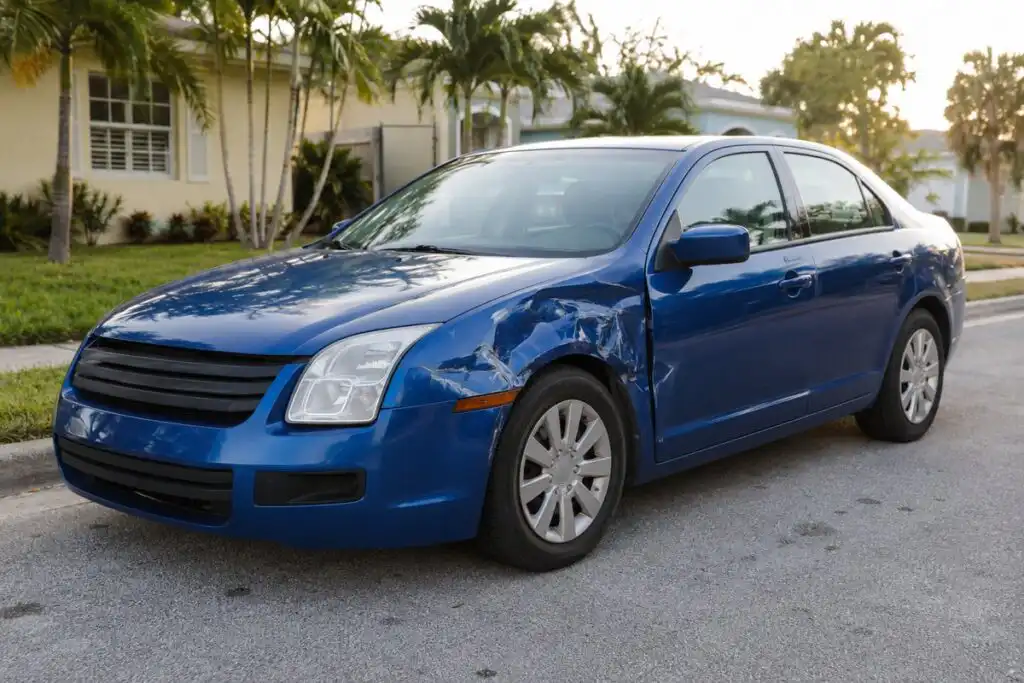
Can I Still Recover If I Wasn’t Wearing a Seatbelt in a Florida Car Accident?
Yes. In Florida, not wearing a seatbelt does not bar you from recovering after a car accident. The so-called seatbelt defense only reduces your recovery under comparative negligence, and only if the defendant proves the missing belt actually worsened your injuries. You can still recover for the harm the crash caused.
After a crash, one of the first questions an insurer asks is whether you were buckled in, and a claims adjuster will often use a missing seatbelt to argue that your case is worth less. Florida law is more balanced than that argument suggests. This page explains how the seatbelt defense works in a Florida car accident, why it reduces rather than eliminates recovery, and how the state’s comparative negligence rule and no-fault system shape what you can collect.
What Counts as the Seatbelt Defense in a Florida Car Accident
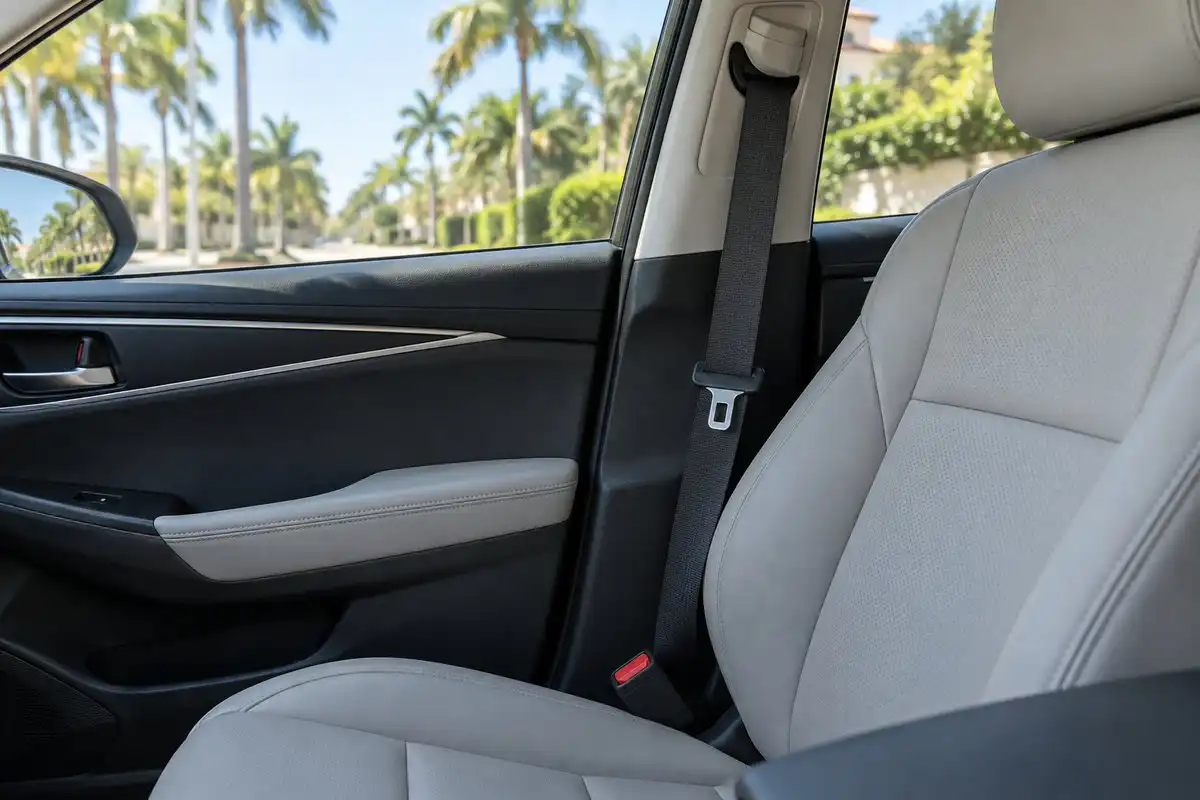
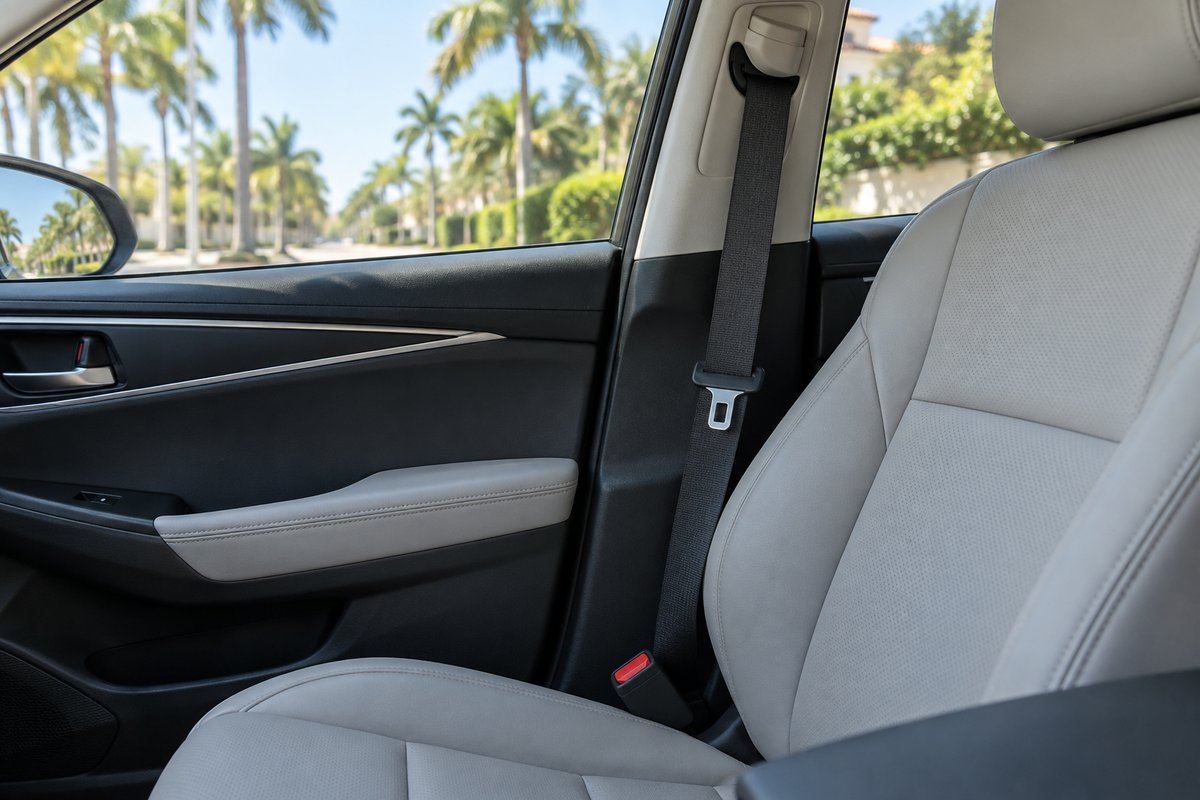
The seatbelt defense is a legal argument the at-fault driver raises to lower what they owe. It says that even if the other driver caused the crash, the injured person made their own injuries worse by not wearing a seatbelt, so part of the harm falls on them. Importantly, the defense has nothing to do with who caused the collision. A driver who runs a red light, rear-ends you at a light, or turns across your path is still responsible for the wreck whether or not you were buckled. These disputes arise inside ordinary motor vehicle accident claims, and the seatbelt only enters the picture when the conversation shifts from fault to the size of the injuries. Understanding that distinction matters, because it keeps a seatbelt question from being treated as if it decided who was to blame for a Florida car accident, which it does not.
How Often the Seatbelt Defense Comes Up in a Florida Car Accident
Florida sees a large volume of crashes every year across its highways, arterials, and city streets, and injury claims follow that volume. Because so many cases involve serious injuries, insurers reach for any argument that lowers a payout, and the seatbelt defense is one of the most common. Adjusters raise it almost reflexively, often before anyone has looked at whether a belt would have changed the outcome. The state publishes detailed crash and citation reports that track injuries and restraint use year over year, and those numbers help explain why the issue surfaces so regularly. The important point for an injured person is that how often the defense is raised says nothing about how often it actually succeeds. Raising a seatbelt argument is easy; backing it with the proof Florida law requires is a very different matter in a Florida car accident case.
Why Not Wearing a Seatbelt Does Not Bar a Florida Car Accident Recovery
The reason is straightforward: a seatbelt decision does not cause a crash. Liability turns on who failed to use reasonable care behind the wheel, and not wearing a belt is not what put two cars in the same place at the same time. Because the missing belt is not a legal cause of the collision, it cannot wipe out the other driver’s responsibility for causing it. Florida handles a claimant’s own carelessness through comparative negligence, not through an all-or-nothing bar, so a seatbelt issue can adjust the numbers but cannot close the door on your claim. Florida also runs a no-fault insurance system that routes the first layer of medical costs through your own policy regardless of fault. Between that structure and the comparative negligence rule, an injured person keeps a real path to recovery even when a seatbelt was not used.
How the Seatbelt Defense Reduces a Florida Car Accident Claim
Comparative negligence is where a seatbelt can actually matter, but only within tight limits. Under Florida’s comparative fault statute, section 768.81, an award is reduced by the injured person’s own share of fault rather than eliminated. For a seatbelt to move that number, the defense has to prove that not wearing the belt actually worsened the specific injuries you suffered, not merely that you were unbuckled. If your injuries would have happened anyway, the argument carries no weight. The burden sits on the defendant, who generally needs medical or biomechanical evidence connecting the missing belt to the harm. Florida also applies a modified comparative negligence rule with a 51 %bar: a person found more than 50% at fault recovers nothing, while anyone at or below that line still recovers, with the award trimmed by their percentage. In practice, a seatbelt rarely pushes an injured passenger or driver past that threshold in a Florida car accident.
How PIP and No-Fault Shape a Florida Car Accident Claim
Because a car has four or more wheels, a Florida car accident starts inside the no-fault system. Your own personal injury protection, or PIP, pays the first $10,000 of medical bills, and lost wages if your policy includes wage loss coverage, no matter who caused the crash, which is why you file with your own insurer first. To keep that coverage, you generally need to begin treatment within 14 days of the collision and have emergency medical care. PIP is no-fault, so a seatbelt argument does not reduce it. The seatbelt defense only reaches the next layer, the claim against the at-fault driver once your injuries are serious enough to step outside no-fault and pursue their liability coverage. Injured people across Broward County and throughout Palm Beach County often assume a missing belt threatens their PIP benefits, but it does not. It only becomes a factor in the liability portion of the case, and even there only to the extent it can be proven.
What Typically Happens After a Florida Car Accident
Care comes first, and early treatment both protects your health and satisfies the 14-day PIP rule. Your own PIP handles the initial medical costs, and once your injuries meet the serious-injury threshold, the claim moves to the at-fault driver’s bodily injury liability coverage, which is meant to pay for the harm that driver caused. If that driver has no insurance or too little to cover the injuries, uninsured and underinsured motorist coverage may fill the gap. One deadline governs the whole process: for most crashes on or after March 24, 2023, an injured person has two years from the date of the collision to file a lawsuit. Preserving evidence early is what defeats a weak seatbelt argument, because the vehicle, the medical records, and any photos of the interior all speak to whether a belt was used and whether it would have changed the injuries at all in a Florida car accident.
Summary of the Seatbelt Defense in a Florida Car Accident
A seatbelt decision does not decide your case. Fault for a Florida car accident rests on the driver who failed to use reasonable care, and not wearing a belt does not erase that. It can affect the numbers only when a defendant proves the missing belt actually worsened your injuries, and even then Florida’s comparative negligence rule reduces rather than eliminates what you recover. Knowing how the seatbelt defense, the 51% bar, and PIP fit together helps you protect your recovery from the start.
- Not wearing a seatbelt is not an automatic bar to recovering after a Florida car accident.
- The seatbelt defense only reduces recovery through comparative negligence, and only to the extent the missing belt actually worsened the injuries.
- The at-fault driver’s side carries the burden of proving that, usually with medical or biomechanical evidence.
- Florida’s 51 %bar lets a partly at-fault person still recover, with the award reduced by their percentage of fault.
- PIP pays the first $10,000 of medical bills regardless of fault, and a seatbelt argument does not reduce those no-fault benefits.
- Most crashes on or after March 24, 2023 carry a two-year deadline to file suit.
FAQs About the Seatbelt Defense in a Florida Car Accident
Can I still recover if I wasn’t wearing a seatbelt in a Florida car accident?
Yes. Not wearing a seatbelt does not bar your claim. Fault for the crash still rests on the driver who caused it, and Florida handles your own carelessness through comparative negligence, which reduces an award rather than eliminating it. A missing belt matters only if the other side proves it actually worsened your injuries.
What is the seatbelt defense in Florida?
The seatbelt defense is an argument the at-fault driver raises to lower what they owe by claiming your failure to buckle up made your injuries worse. It does not concern who caused the collision. It only goes to the size of the injuries, and the defendant has to prove the connection with real evidence, not just point out that you were unbuckled.
Does a missing seatbelt affect my PIP benefits?
No. Personal injury protection is no-fault coverage that pays the first $10,000 of medical bills, and lost wages if your policy includes wage loss coverage, regardless of who caused the crash or whether you wore a belt. The seatbelt defense reaches only the separate claim against the at-fault driver’s liability coverage, not your own PIP benefits.
How much can not wearing a seatbelt reduce my recovery?
There is no fixed percentage. Any reduction depends on whether the defense can prove the missing belt contributed to your specific injuries and, if so, by how much. Under Florida’s modified comparative negligence rule, an award is reduced by your share of fault, and you are barred only if you are found more than 50 %responsible.
How long do I have to file a Florida car accident claim?
For most crashes on or after March 24, 2023, you have two years from the date of the collision to file a lawsuit. Waiting makes the evidence that decides fault and injury causation harder to preserve, since footage is often erased and vehicles are repaired, so it helps to act well before the deadline.
Contact a South Florida Car Accident Lawyer
If you were hurt in a crash and an insurer is already pointing at your seatbelt, you do not have to sort out the law alone. Lawlor, White and Murphey helps injured people throughout Florida, including Broward and Palm Beach County, and you can learn about our firm or call our office to talk through what happened. To reach us, call 954-525-2345 or use our contact page, and a member of our team will help you understand your options. Our Fort Lauderdale office is located at 2211 Davie Boulevard, Fort Lauderdale, FL 33312.
This article is for general information only and is not legal advice. Every case is different, and past results do not guarantee a similar outcome.