
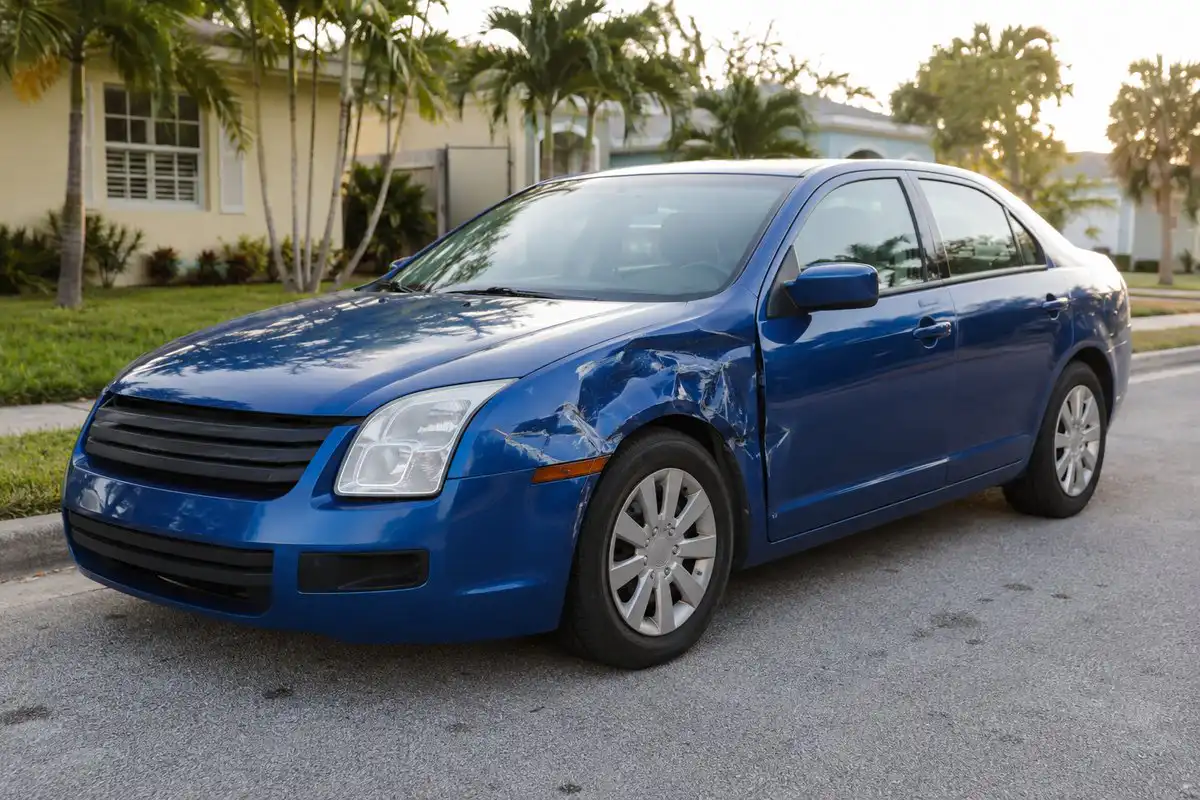
What Should I Do After a Hit and Run in Florida?
Do not chase the other driver. Stay at the scene, call 911, and write down everything you can remember about the vehicle while it is fresh. Then see a doctor within 14 days so your PIP benefits apply. Even if the driver is never found, your own insurance coverage can still pay for your injuries.
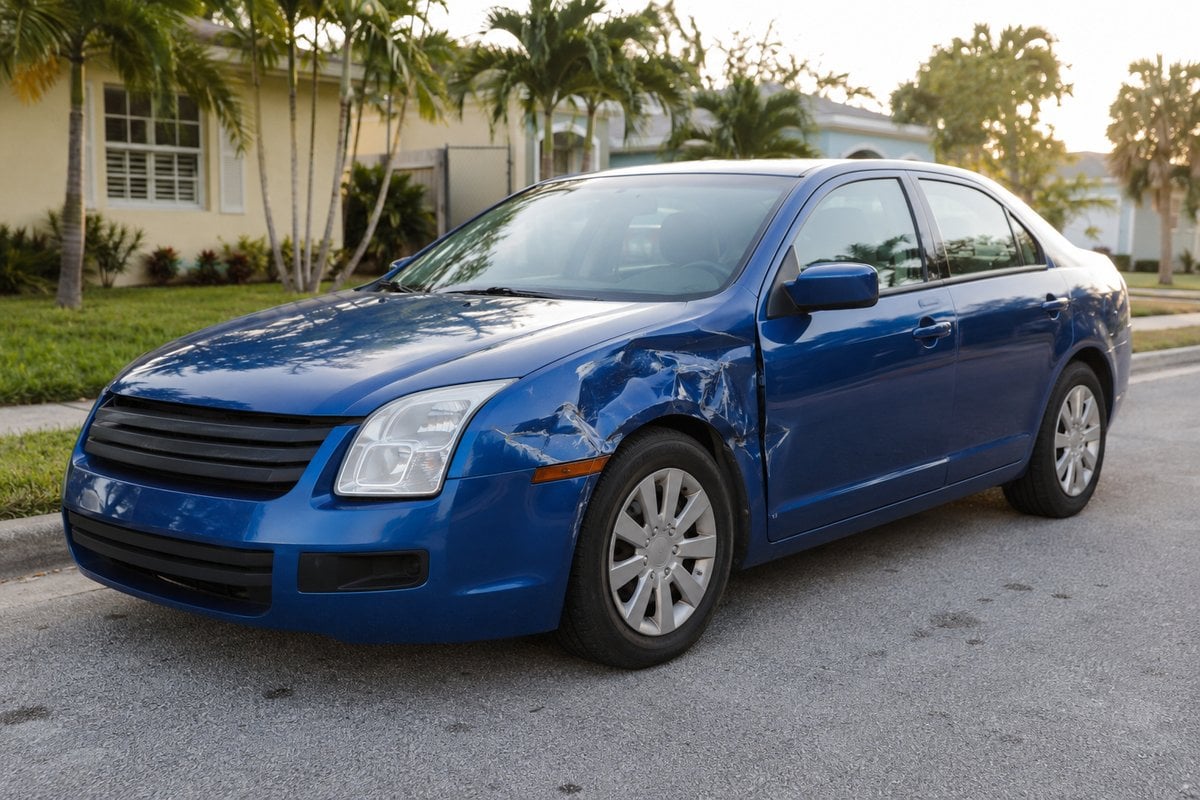
Few things feel more unfair than watching the driver who just hit you speed away. You did nothing wrong, and now you are standing next to a damaged car with no one to exchange information with. It is normal to feel angry, shaken, and unsure of what to do next.
Here is the good news. Florida law gives hit and run victims more options than most people realize, and the steps you take in the first hour and the first two weeks make a real difference. This guide walks through exactly what to do, in order, and how you still get paid even when the other driver disappears for good.
First, Stay Where You Are and Call 911
Pull over to a safe spot as close to the crash site as you can, turn on your hazard lights, and call 911. Tell the dispatcher it was a hit and run and share the direction the other vehicle went. Officers in the area can sometimes spot a fleeing car within minutes if they know where to look.
Ask for police to come to the scene even if the damage looks minor. The crash report they create becomes the official record that a hit and run happened, and your insurance company will want to see it. Without a report, an adjuster may question whether the crash occurred the way you say it did.
If you are hurt, say so on the call and accept medical attention when it arrives. Adrenaline hides pain, and what feels like a sore neck at the scene can turn into something more serious by morning.
Write Down Everything You Remember About the Vehicle
Memory fades fast after a crash, so capture details immediately, even partial ones. Use your phone to type notes or record a voice memo while you wait for police.
Focus on the things that help identify a vehicle:
- Any piece of the license plate, even two or three characters
- Make, model, color, and approximate age of the vehicle
- Damage the other car took in the crash, and where on the car it is
- Bumper stickers, roof racks, ladders, company logos, or anything distinctive
- Anything you noticed about the driver
- The exact time, location, and direction the car fled
Then look around. If anyone stopped or was standing nearby, ask for their name and phone number before they leave. A single independent witness can carry more weight with an insurer than anything you say yourself, because a witness has no stake in the outcome.
Photograph everything before your car is moved: your vehicle from multiple angles, the road, skid marks, broken glass, and any paint the other car left on yours. That paint transfer matters more than most people think, and we will come back to it.
Why Chasing the Driver Makes Things Worse
The urge to follow the fleeing car is powerful. Resist it.
Chasing a driver who just showed you they will break the law to avoid responsibility puts you at risk of a second crash, and this time you could be the one who caused it. If you leave the scene to pursue them, you also muddy the official record. The crash location changes, witnesses scatter, and the other driver can later claim the collision happened somewhere else or some other way.
There is also a practical problem. If you crash while chasing someone, your own insurer can treat that second collision as your fault, which reduces or eliminates what you can recover. Under Florida’s comparative negligence rules, being found more than 50 percent at fault means you recover nothing at all. Stay put, be the calm one, and let the police do the pursuing.
Get Medical Care Within 14 Days
This step has a hard deadline attached to it. Florida requires you to get initial medical treatment within 14 days of a crash to use your Personal Injury Protection benefits. Miss that window and your PIP coverage, the money you already paid for, can be denied entirely.
You do not need to take an ambulance from the scene to satisfy the rule. A visit to your own doctor, an urgent care clinic, or an emergency room within two weeks counts. What matters is that a medical professional documents your injuries and connects them to the crash.
Go even if you feel mostly fine. Soft tissue injuries, concussions, and back problems routinely surface days after a collision, and a documented early visit protects both your health and your claim.
Leaving the Scene of a Crash Is a Crime in Florida
Florida law requires every driver involved in a crash to stop, share information, and render aid if someone is hurt. A driver who flees the scene of a crash involving injury commits a felony, and the penalties climb sharply if the injuries are serious or someone dies.
Why does that matter for you as the victim? Two reasons. First, it means law enforcement takes these cases seriously, and detectives do work to identify fleeing drivers through cameras, debris, and witness accounts. Second, if the driver is found, the criminal case creates a paper trail of evidence you can use in your injury claim, and a driver facing felony charges has very little credibility when disputing fault.
Who Pays After a Hit and Run in Florida?
This is the question that keeps victims up at night, and the answer is more reassuring than you might expect. Because Florida operates under a no fault insurance system, your own policy pays first no matter who caused the crash or whether they stuck around.
Your Personal Injury Protection coverage pays 80 percent of your reasonable medical bills and 60 percent of your lost wages, up to your $10,000 limit. Every Florida driver is required to carry that coverage, and it applies even when the at fault driver is a ghost. The state explains the requirement in plain terms on the FLHSMV insurance page.
PIP also travels with you. It covers you as a driver, a passenger in someone else’s car, a pedestrian, or a cyclist struck by a motor vehicle. So even if you were walking when the driver fled, your own auto policy can still respond.
The catch is the limit. Ten thousand dollars disappears quickly after an emergency room visit and imaging, which is where the next coverage comes in.
Uninsured Motorist Coverage Can Fill the Gap
For injury costs beyond PIP, the most important protection a hit and run victim can have is uninsured motorist coverage, often called UM. Florida treats an unidentified hit and run driver the same as a driver with no insurance, so your UM coverage steps in and pays what the fleeing driver should have paid. That includes medical bills beyond PIP, lost income, and pain and suffering.
UM is optional in Florida, which is exactly why so many people find out too late that they declined it to save a few dollars a month. If you have it, it stacks on top of your other coverage rather than replacing it. If you are not sure whether you have it, pull out your policy’s declarations page and look for uninsured or underinsured motorist coverage.
One honest warning: a UM claim is still an insurance claim. Your own insurer effectively stands in the shoes of the driver who fled, and its adjusters can dispute your injuries the same way a stranger’s insurer would. Handling it carefully from the start, the way you would any serious motor vehicle accident claim, protects the value of your case.
What Happens If the Police Find the Driver
Plenty of hit and run drivers are identified, sometimes within days. When that happens, your options expand.
You can bring a liability claim against the driver’s bodily injury coverage if they carry it, and their decision to flee tends to work heavily against them on the question of fault. If your injuries meet Florida’s serious injury threshold, which includes permanent injuries and significant scarring, you can step outside the no fault system and pursue full compensation, including pain and suffering.
Keep in mind that many drivers flee precisely because they have no insurance or no license. If the found driver turns out to be uninsured, you are back to your UM coverage, but at least fault is no longer a mystery. Either way, the criminal case proceeds separately from your injury claim, and you do not have to wait for it to finish before pursuing compensation.
Evidence That Helps Solve a Hit and Run in Florida
You have more investigative help available than you might think, and moving fast matters because much of this evidence gets erased or recorded over.
Cameras. Doorbell cameras, gas station and storefront security systems, and traffic cameras capture a surprising number of crashes and fleeing vehicles. Many systems overwrite footage within days, so identifying nearby cameras quickly is one of the most valuable things an attorney’s office can do early in a case.
Paint transfer and debris. The paint the other car left on yours can identify its color and sometimes narrow down the make. Broken headlight fragments and trim pieces left in the road can do the same. Do not wash your car or throw away debris until everything is photographed and documented.
Witnesses. People who saw the crash or saw the car speeding away moments later can supply plate fragments and descriptions. Police canvass for witnesses, but they are stretched thin, and follow up from your side often surfaces people the initial report missed.
This kind of legwork is routine for our office. We handle hit and run cases for people across Broward County, including Hollywood, and throughout Palm Beach County, and the early evidence push is often what separates a paid claim from a denied one.
The Two Year Deadline to Take Legal Action
Florida gives you two years from the date of the crash to file a negligence lawsuit. That deadline applies whether the driver is identified next week or two years from now, so waiting to see if police make an arrest is a risky strategy.
UM claims run on their own contractual timelines too, and most policies require prompt notice of a hit and run. Report the crash to your own insurer quickly, stick to the basic facts, and let the investigation develop before anyone pressures you into a recorded statement or a fast settlement.
Summary
- Stay at the scene, call 911, and never chase the fleeing driver. A police report is essential to your claim.
- Record vehicle details, witness contacts, and photos immediately. Partial plates and paint transfer can identify a driver.
- Get medical care within 14 days or you can lose your PIP benefits entirely.
- PIP pays first, covering 80 percent of medical bills and 60 percent of lost wages up to $10,000, even if the driver is never found.
- Uninsured motorist coverage treats a hit and run driver as uninsured and pays what they should have paid, including pain and suffering when injuries are serious.
- You have two years from the crash to file a lawsuit, and cameras and physical evidence disappear much faster than that.
Frequently Asked Questions About Hit and Run Accidents in Florida
What if the driver hit my parked car and left?
The same basic playbook applies. Photograph the damage and any paint transfer, look for notes or witnesses, check for nearby cameras, and file a police report. Property damage to your parked car typically runs through your collision coverage or the other driver’s property damage liability if they are identified.
Does PIP cover me if I was walking or biking when the driver fled?
Yes. Your own auto policy’s PIP coverage follows you as a pedestrian or bicyclist struck by a motor vehicle. If you do not own a car, you may be covered under the policy of a relative who lives with you.
Do I need a police report to file a hit and run claim?
You need to report the crash to law enforcement, and as a practical matter your insurer will expect a report before paying a hit and run claim. Reporting promptly also protects you, since unexplained damage with no report invites suspicion that the claim is not legitimate.
Will my insurance rates go up if I use my own coverage for a hit and run?
Florida law prohibits insurers from raising your rates solely because of a claim on a crash you did not cause. Rates can change for other reasons, but a not at fault hit and run claim by itself is not supposed to be one of them.
Can I still recover pain and suffering if the driver is never found?
Often, yes. If you carry uninsured motorist coverage and your injuries meet Florida’s serious injury threshold, your UM claim can include pain and suffering in addition to medical bills and lost wages. Without UM coverage, recovery is generally limited to PIP and your own health insurance.
Contact a South Florida Hit and Run Accident Lawyer
A hit and run leaves you doing everything right while someone else runs from responsibility. You should not have to fight your own insurance company on top of that. The attorneys at Lawlor, White & Murphey have spent decades helping injured people across South Florida track down evidence, press UM claims, and get paid what their coverage actually owes them.
Consultations are free, and we handle injury cases on a contingency basis, which means no fee unless we recover for you. If a driver fled and left you with the bills, call our office today and let us take the weight of the claim off your shoulders.
This article is for general information only and is not legal advice. Every case is different. Past results do not guarantee a similar outcome.