Am I Covered If I Was Driving Someone Else’s Car in a Florida Car Accident?
Yes, in most cases. In Florida, auto insurance follows the car, not the driver, so when you drive someone else’s vehicle with permission, the owner’s liability and personal injury protection coverage are generally primary. Your own policy can act as backup if those limits run out, and fault still turns on negligence, not on whose name is on the title.
Borrowing a friend’s car, driving a family member’s vehicle, or getting behind the wheel of a coworker’s truck for an afternoon feels routine until a crash happens and everyone starts asking whose insurance pays. Florida answers that question differently than many drivers assume, and the rules that decide coverage when you are driving someone else’s car in Florida can work in your favor once you understand how the vehicle owner’s policy, your own policy, and the state’s no-fault system fit together.
What Counts as Driving Someone Else’s Car in a Florida Car Accident
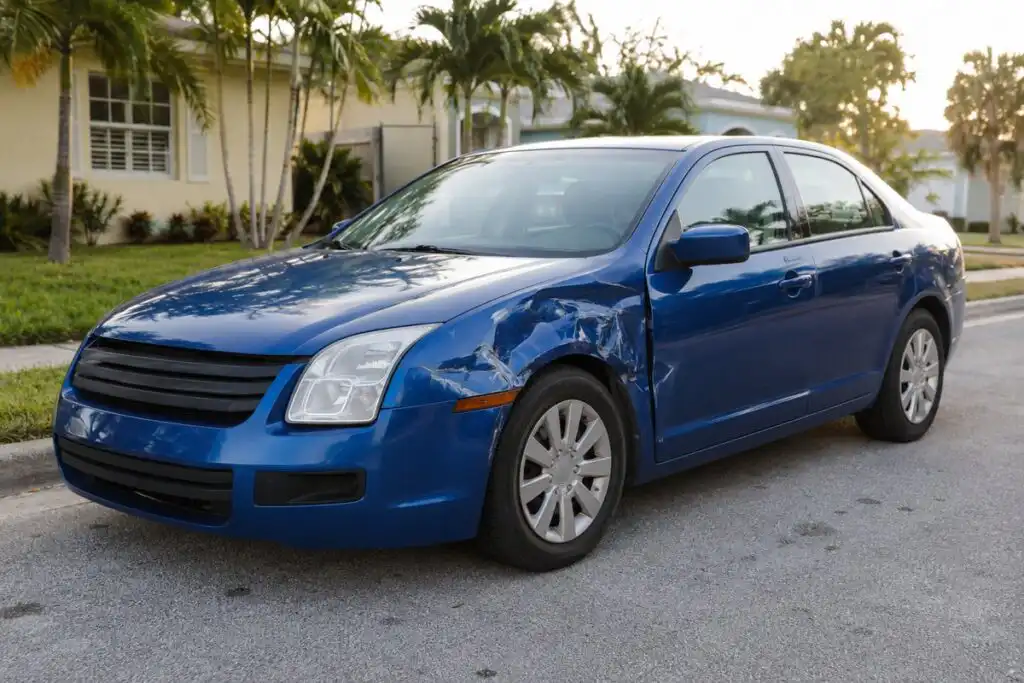
Driving someone else’s car covers any situation where you operate a vehicle you do not own, with the owner’s permission, and are involved in a crash. That permission can be express, like a friend handing you the keys and telling you to take the car, or implied, like a household where family members routinely share a vehicle without asking each time. What matters is that the owner consented to your use of the car rather than you taking it without authority. These situations arise constantly in ordinary motor vehicle accident claims, from a spouse running errands in the other’s car to a young driver borrowing a parent’s SUV. The permission piece is central, because Florida’s coverage rules and its owner-liability doctrine both hinge on whether you were driving with the owner’s consent.
How Common Borrowed-Car Crashes Are in Florida
Florida records hundreds of thousands of reportable crashes every year across its highways, arterials, and neighborhood streets, and a meaningful share involve someone driving a vehicle they do not own. Shared households, borrowed work trucks, dealership loaners, and family members swapping cars are all part of daily life here, so permissive-driver crashes are far from unusual. The state publishes detailed crash and citation reports that track collisions and their circumstances year over year, and those numbers help explain why the question of whose coverage applies comes up so often. For an injured person, the important takeaway is that driving someone else’s car in Florida does not put you in some rare legal gray zone. It is a common situation the state’s insurance rules are built to handle, and the coverage that applies is more predictable than most drivers expect.
Why Insurance Follows the Car, Not the Driver, in Florida
The governing principle in Florida is that auto insurance follows the vehicle rather than the person driving it. When you drive someone else’s car with permission and a crash occurs, the owner’s liability coverage is generally the primary policy that responds, and the owner’s personal injury protection typically covers medical costs first. This is why a permissive driver is usually protected by the car owner’s policy even though the driver’s own name is not on it. Florida also runs a no-fault insurance system, which layers on top of this rule by routing the first medical costs through PIP regardless of who caused the crash. Fault itself does not change because you were in a borrowed car. Liability still turns on which driver failed to use reasonable care, and being behind the wheel of a vehicle you do not own neither adds to nor subtracts from your responsibility for how the crash happened.
How Florida’s Dangerous Instrumentality Doctrine Applies When Driving Someone Else’s Car
Florida is one of the few states that applies the dangerous instrumentality doctrine to motor vehicles, and it is central to understanding coverage here. Under this long-standing rule, a motor vehicle is treated as a dangerous instrumentality, so an owner who gives another person permission to drive their car can be held vicariously liable for that driver’s negligence. In plain terms, if you borrow a friend’s car and negligently cause a crash, the friend who owns the car can be held legally responsible alongside you, and their liability coverage is on the hook for the harm. The doctrine exists to protect people injured on Florida roads by making sure the owner who put the car in someone else’s hands shares responsibility for its safe operation. For a permissive driver, the practical effect is that the owner’s insurance stands behind you, and for an injured third party, it means there is usually an additional layer of coverage to pursue. This owner responsibility is separate from who was actually at fault, which is still decided by negligence.
How PIP and Coverage Priority Work When Driving Someone Else’s Car
Personal injury protection is where coverage priority gets specific. If you own a car and carry your own PIP, that coverage generally follows you and pays your medical bills first even when you are injured in someone else’s vehicle. If you do not have your own policy, the PIP on the car you were driving usually steps in to cover you as an occupant. Either way, Florida’s PIP provides up to $10,000 toward medical bills, and lost wages if your policy includes wage loss coverage, regardless of fault, and you generally must begin treatment within 14 days of the crash to keep that coverage and have emergency medical care. When injuries are serious and the losses climb past those layers, the claim can reach the at-fault driver’s bodily injury liability coverage, and uninsured or underinsured motorist coverage may apply if the responsible driver has too little insurance. Injured people across Broward County and throughout Palm Beach County often assume borrowing a car leaves them without protection, when in fact several layers of coverage may respond in a defined order.
What Typically Happens After a Florida Car Accident in a Borrowed Car
Medical care comes first, and prompt treatment both protects your health and satisfies the 14-day PIP requirement. The applicable PIP coverage, whether your own or the vehicle owner’s, handles the initial medical costs, and once your injuries meet Florida’s serious-injury threshold, the claim can move to the at-fault driver’s liability coverage and, through the dangerous instrumentality doctrine, potentially the vehicle owner’s policy as well. Fault is sorted out under Florida’s modified comparative negligence rule in Florida Statute 768.81, which reduces an award by each party’s share of blame and bars recovery only for a person found more than 50% at fault. One deadline governs the whole process: for most crashes on or after March 24, 2023, an injured person has two years from the date of the collision to file a lawsuit. Most injury cases are handled on a contingency fee, commonly 33⅓% before suit and 40 %afterward, so there is no fee unless we recover for you.
Summary of Coverage When Driving Someone Else’s Car in Florida
Driving someone else’s car does not leave you as exposed as many drivers fear. Because Florida insurance follows the vehicle and the state applies the dangerous instrumentality doctrine, the owner’s coverage generally stands behind a permissive driver, while your own policy and the no-fault system add further layers. The key points to remember are:
- In Florida, auto insurance follows the car, so the owner’s liability and PIP coverage are generally primary when you drive their vehicle with permission.
- Permission can be express or implied, and it is what triggers both the owner’s coverage and the owner’s potential liability.
- Under the dangerous instrumentality doctrine, a vehicle owner can be held vicariously liable for a permissive driver’s negligence.
- Your own PIP generally follows you even in a borrowed car; if you have none, the vehicle’s PIP covers you as an occupant.
- Fault is still decided by negligence under the 51 %comparative negligence rule, not by whose name is on the title.
- Most crashes on or after March 24, 2023 carry a two-year deadline to file suit.
FAQs About Driving Someone Else’s Car in a Florida Car Accident
If I crash while driving someone else’s car in Florida, whose insurance pays?
Generally the car owner’s insurance pays first. Florida coverage follows the vehicle, so the owner’s liability coverage is usually primary and the owner’s PIP often covers medical bills, while your own policy can act as backup if the owner’s limits are exhausted. Your name not being on the policy does not leave you unprotected.
Does the car owner get held responsible if I cause the crash?
Often yes. Under Florida’s dangerous instrumentality doctrine, an owner who lets you drive their vehicle with permission can be held vicariously liable for your negligence. That means the owner’s insurance is typically on the hook alongside you, which is one reason the owner’s policy stands behind a permissive driver rather than leaving you on your own.
What if the owner’s insurance is not enough to cover the injuries?
When the vehicle owner’s liability limits run out, other coverage can fill the gap. Your own auto policy may provide additional liability or medical coverage, and uninsured or underinsured motorist coverage can apply when the at-fault driver carries too little insurance. Layered coverage is common, and identifying every applicable policy is an important early step.
Am I covered by PIP if I was driving a borrowed car?
Usually. If you carry your own PIP, it generally follows you and pays first even in someone else’s car. If you have no policy of your own, the PIP on the vehicle you were driving typically covers you as an occupant, up to at least $10,000, as long as you begin treatment within 14 days of the crash.
Does driving someone else’s car change who is at fault?
No. Fault in a Florida car accident turns on which driver failed to use reasonable care, not on who owned the vehicle. Driving a borrowed car neither increases nor reduces your responsibility for how the crash happened, and the negligence of each driver is what determines fault and how any recovery is divided.
Contact a South Florida Car Accident Lawyer
If you were hurt while driving someone else’s car, or a permissive driver in a borrowed vehicle caused your crash, you do not have to untangle the coverage questions alone. Lawlor, White and Murphey help injured people throughout Florida, including Broward and Palm Beach County, and you can learn about our firm or call our office to talk through what happened. To reach us, call 954-525-2345 or use our contact page, and a member of our team will help you understand which policies may apply. Our Fort Lauderdale office is located at 2211 Davie Boulevard, Fort Lauderdale, FL 33312.
This article is for general information only and is not legal advice. Every case is different, and past results do not guarantee a similar outcome.