Can I Still Recover If I Ignored a Recall Notice Before My Florida Accident?
Often, yes. An ignored recall notice does not automatically end a Florida injury claim. The other side may argue that skipping the repair contributed to the crash, and any share of fault assigned to you can reduce your recovery, but a claim can remain possible if you are found 50 percent or less at fault.
Recall letters are easy to miss. They arrive by mail, can look like routine paperwork, and sometimes go to an old address or a previous owner. If a crash later happens and the car had an open recall, the manufacturer or an insurer may point to that unopened letter. The manufacturer’s responsibility for the defect does not simply disappear, though, and how fault is shared depends on the facts.
What Counts as Ignoring a Recall Notice in Florida
A recall notice is the letter a manufacturer mails to registered owners after it, or the National Highway Traffic Safety Administration, determines that a vehicle creates an unreasonable safety risk or fails to meet minimum safety standards. The notice describes the problem, the risk, and the remedy, which is generally a free repair at an authorized dealer, and it may include interim safety guidance while owners wait for parts.
Ignoring a recall notice can mean many different things. Some owners never received the letter, some read it and planned to schedule the repair later, some were told parts were not yet available, and some bought the car used without knowing a recall was open. In a claim, those situations are not treated the same, and what happened with the notice often matters as much as the notice itself.
How an Ignored Recall Notice Comes Up After a Florida Crash
The issue usually surfaces during the investigation, the same way other fault questions do after any motor vehicle accident. An insurer or a manufacturer may run the vehicle identification number through NHTSA’s recall records, find an open recall, and argue that the crash would not have happened if the repair had been made. The question can also come up when the injured person never owned the car, such as a passenger, since recall notices go to the registered owner.
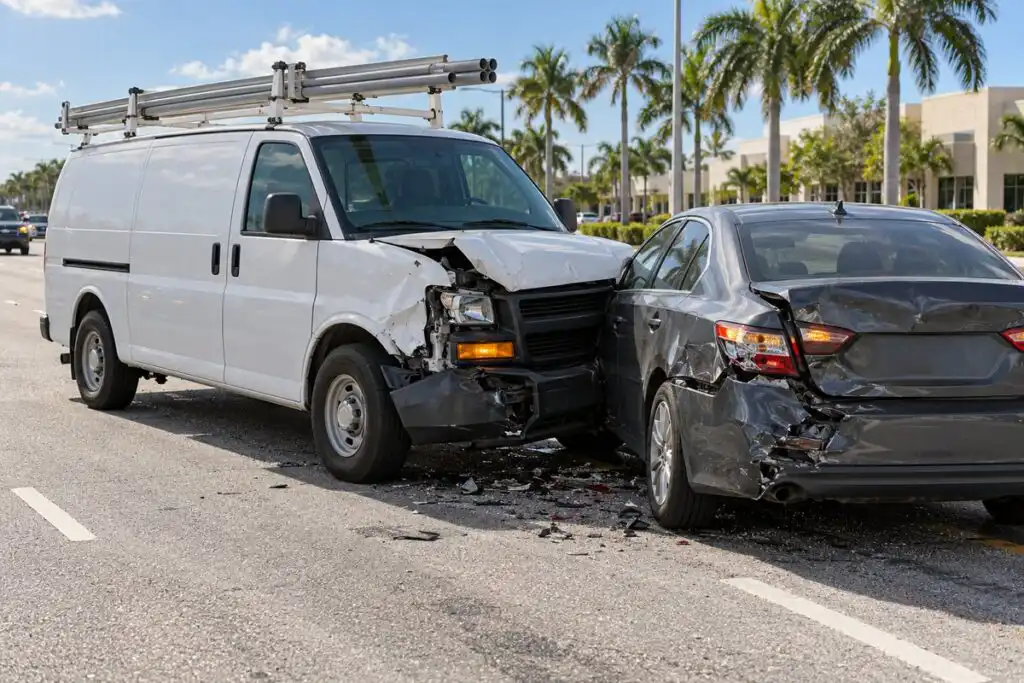
Crashes are common on Florida roads, as the statewide crash and citation reports published by the Florida Department of Highway Safety and Motor Vehicles show, and when a car involved in one carries an open recall, the unrepaired defect quickly becomes part of the fault discussion. That can happen after a crash in Broward County, in Palm Beach County, or anywhere else in the state.
Why an Ignored Recall Notice Matters to Your Injury Claim
An ignored recall notice matters because Florida ties recovery to the share of fault assigned to each party. If the other side persuades an insurer or a jury that skipping the repair contributed to the crash or the injuries, part of the fault may be assigned to the owner, and the recovery can shrink by that percentage. The argument can also shape settlement talks long before any jury is involved.
At the same time, the notice does not change where the defect came from. Unresolved defects are what make vehicle recall related accidents possible in the first place, and a manufacturer that designed or built a faulty part may still be responsible under product liability theories such as design defect, manufacturing defect, failure to warn, negligence, and breach of warranty. Our defective product attorneys look at the manufacturer’s role alongside everyone else’s.
Factors That Shape How an Ignored Recall Notice Is Weighed
Whether the notice actually arrived is often the first question. Manufacturers mail notices by first class mail to registered owners, and a letter sent to a prior address or to a previous owner may never have reached the person driving the car. Records of when the notice was mailed, where it went, and when the car changed hands can help show what the owner knew and when.
Timing and parts availability matter as well. When repair parts are not ready, manufacturers may send an interim notice first and a second notice once the fix is available, so an owner who was waiting on parts may be in a different position than one who had easy access to the repair for months. What the notice said about the risk, and any interim safety guidance it gave, may also be weighed.
Causation is often the most important factor. The other side generally has to connect the unrepaired defect to what actually happened. If another driver ran a red light and struck the car, a skipped recall on an unrelated part may have little to do with the crash, and engineers and accident reconstructionists can help show whether the defect played any role at all.
How an Ignored Recall Notice Interacts With Florida’s 51% Bar
Florida’s modified comparative negligence rule, found in Florida Statute 768.81, reduces an injured person’s recovery by their share of fault and bars recovery for anyone found more than 50 percent at fault for their own harm. The statute’s definition of a negligence action expressly includes strict liability and products liability claims, so the same rule can apply when the claim is against a manufacturer.
The statute also defines the accident to include events related to the alleged defect, which lets a jury weigh everyone’s role, from the manufacturer to another driver to the owner. As a simple example, if damages are valued at $100,000 and an owner is found 20 percent at fault for skipping a repair, the recovery could be reduced to $80,000. A finding above 50 percent would bar any recovery.
What Typically Happens After a Crash Involving an Ignored Recall Notice
Florida operates under a no-fault insurance system, so your own personal injury protection (PIP) coverage, through your car insurance, generally pays your medical bills first regardless of fault, even if your car had an open recall. PIP generally pays 80% of reasonable medical expenses, and the $10,000 is one limit for medical expenses and, if your policy includes it, wage loss coverage. You generally need initial treatment within 14 days to use PIP and emergency medical treatment to receive the full extent of the benefits.
Preserving the vehicle and the recalled part is critical, because preservation of evidence can decide whether a defect can be proven at all. Claims typically move through investigation, a settlement package, negotiation, and, if needed, a lawsuit. Florida generally gives you two years from the date of the crash to file a negligence lawsuit against the at-fault party, while product claims can follow different deadlines and a statute of repose, so the timing is worth reviewing early.
Summary of Recovering After an Ignored Recall Notice
An ignored recall notice can complicate a Florida injury claim, but it does not automatically end one. The key points to remember are:
- An ignored recall notice does not automatically bar recovery in Florida.
- The other side may argue that skipping the repair contributed to the crash or the injuries.
- Whether the notice arrived, whether parts were available, and whether the defect caused the crash can all matter.
- A manufacturer’s responsibility for a defect does not simply disappear because a repair was missed.
- Florida’s 51 percent bar applies to product claims too, reducing recovery by your share of fault.
- Your PIP generally pays your medical bills first, and preserving the vehicle and recalled part is critical.
FAQs About Recovering After an Ignored Recall Notice
Does ignoring a recall notice automatically make me at fault for the crash?
No. Skipping a recall repair does not automatically make you at fault. The other side may argue that it contributed to the crash, but fault is typically weighed on all of the evidence, including whether the defect actually played a role in what happened.
What if the recall notice never reached me?
Recall notices are mailed to the registered owner, so a notice sent to an old address or to a previous owner may never have reached you. Records showing where and when the notice was mailed can help answer an argument that you ignored it.
What if the repair parts were not available yet?
When parts are not ready, manufacturers may send an interim notice and a second notice once the fix is available. An owner who was waiting on parts may be in a different position than one who had easy access to the repair.
Can the manufacturer still be responsible if I did not get the recall repair?
Possibly. A manufacturer’s responsibility for a defective part does not simply disappear because a repair was missed. Florida’s comparative fault rules can reduce a recovery by your share of fault, but a claim may still be possible if you are 50 percent or less at fault.
How long do I have to act after a crash involving a recall defect?
Florida generally gives you two years from the date of the crash to file a negligence lawsuit against the at-fault party. Claims against a manufacturer or seller can follow different deadlines, and Florida also has a statute of repose for product claims, so the timing can be complicated and is worth reviewing early with an attorney.
Contact a South Florida Car Accident Lawyer
If you were hurt in a crash and an insurer or manufacturer is pointing to a recall notice, the team at Lawlor, White & Murphey can review what happened. We represent injured people throughout Florida, including Broward and Palm Beach County, and you can call our office to talk through the recall, the notice, and what evidence still needs to be preserved. Our Fort Lauderdale office is located at 2211 Davie Boulevard, Fort Lauderdale, FL 33312, and you can reach us at 954-525-2345.
This article is for general information only and is not legal advice. Every case is different, and past results do not guarantee a similar outcome.