Does Car Insurance Cover a Crash Caused by Mechanical Failure in Florida?
Often, yes, at least in part. In Florida, your own Personal Injury Protection car insurance coverage generally pays toward your injuries regardless of fault. Collision coverage, if you carry it, can cover crash damage to your car. Standard policies generally do not pay to fix the mechanical failure itself, and your policy wording controls what applies.
The answer depends on which part of the loss you are asking about. A crash that starts with failed brakes, a blown tire or an engine that quits can involve your injuries, damage to your car, damage to other vehicles and the cost of fixing the part that failed, and each of those can fall under a different coverage, a different party or no coverage at all.
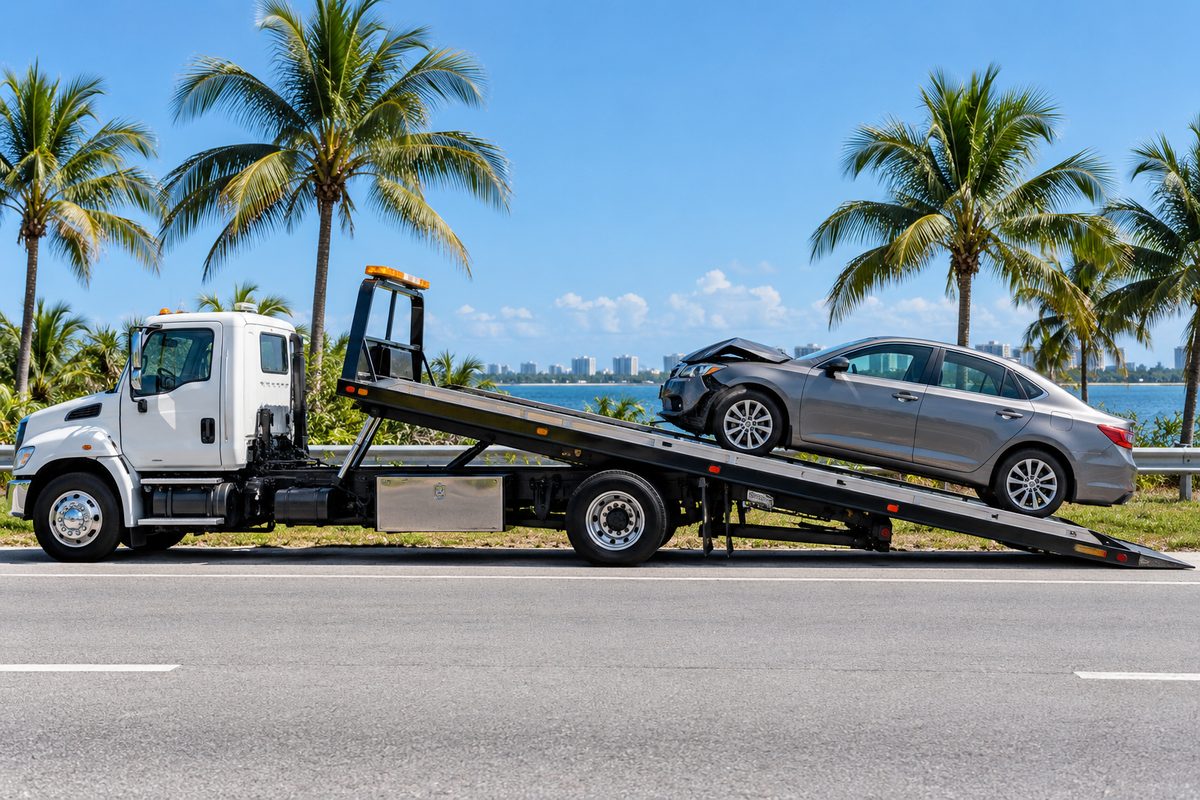
What Counts as a Mechanical Failure Crash for Insurance Purposes
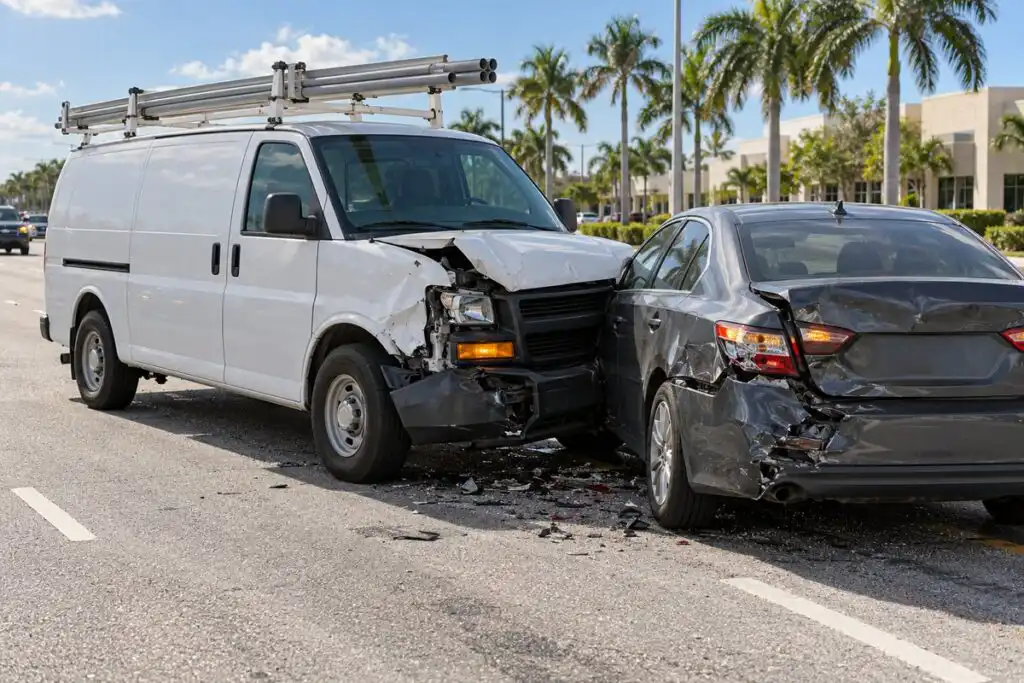
A mechanical failure crash is a collision that happens because part of a vehicle stopped working as it should, such as brakes that fade, a tire that blows, steering that fails or an engine that loses power in traffic. The failure may be in your car or in another driver’s car, and it may trace back to wear, poor maintenance, a bad repair or a defective part.
For insurance purposes, two events are usually in play: the breakdown itself and the crash that followed. Insurers generally treat them differently. The damage the crash caused may fall under a coverage you carry, while the worn or failed part that started the problem often does not, so a single repair estimate may be split between covered and uncovered work.
How Mechanical Failure Crashes Come Up in Florida
These questions tend to surface after a car stalls on I-95, brakes give out at a light or a tire fails at highway speed, and the driver learns that one repair estimate covers both crash damage and a failed part. The Florida Department of Highway Safety and Motor Vehicles publishes statewide crash and citation reports, and on crowded roads a single breakdown can involve several vehicles.
Crashes on busy corridors in Broward County and Palm Beach County often involve drivers insured by different companies, each reading its own policy. Engine failure collisions, in which a car suddenly loses power in a travel lane, are one common example, and the same coverage questions come up whether the car that failed was yours or another driver’s.
Why Mechanical Failure Matters to Your Insurance Claim
The cause matters because different coverages answer different parts of the loss. For injuries, Florida operates under a no-fault insurance system, so your own Personal Injury Protection coverage generally pays first, regardless of who or what caused the crash. Under section 627.736 of the Florida Statutes, PIP generally pays 80 percent of reasonable medical expenses, and initial treatment within 14 days is generally required to use it.
The $10,000 is one combined limit for medical expenses and, if your policy includes it, wage loss coverage, and it can fall short after a significant injury. To pursue the at-fault driver for pain and suffering, an injury generally must meet Florida’s injury threshold: a significant and permanent loss of an important bodily function, a permanent injury within a reasonable degree of medical probability, or significant and permanent scarring or disfigurement.
Which Coverages Can Apply After a Mechanical Failure Crash
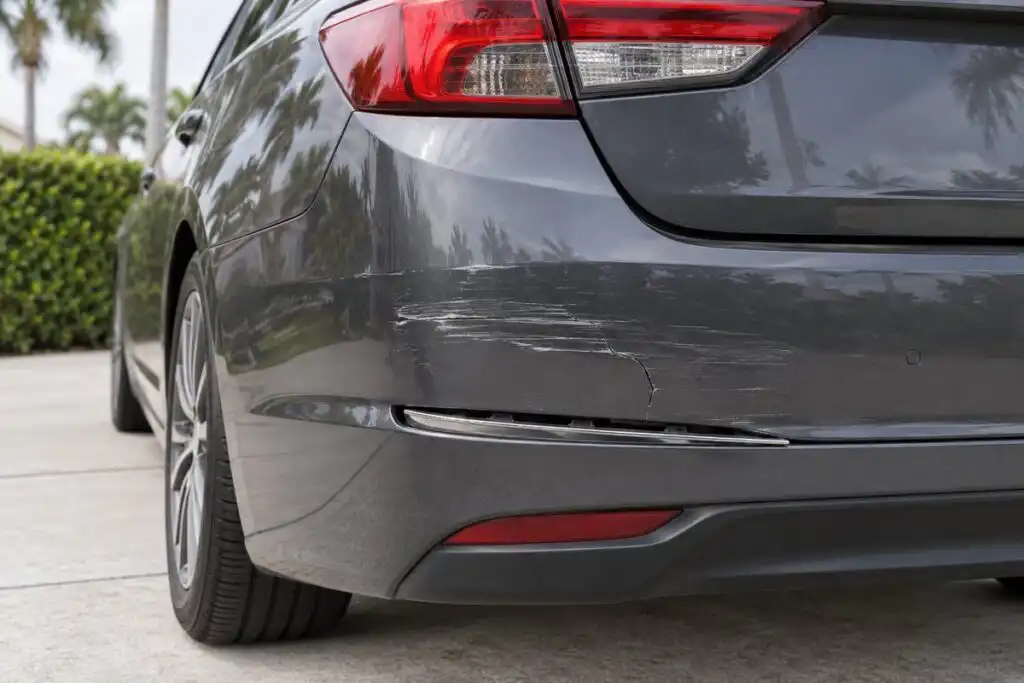
Collision coverage, if you carry it, can pay to repair your car after it hits another vehicle or an object, generally regardless of fault. Comprehensive coverage generally applies to losses that do not involve a collision, such as fire, theft, windstorm, vandalism or flood. Neither is part of Florida’s required minimum coverage, so whether you have them depends on the policy you bought.
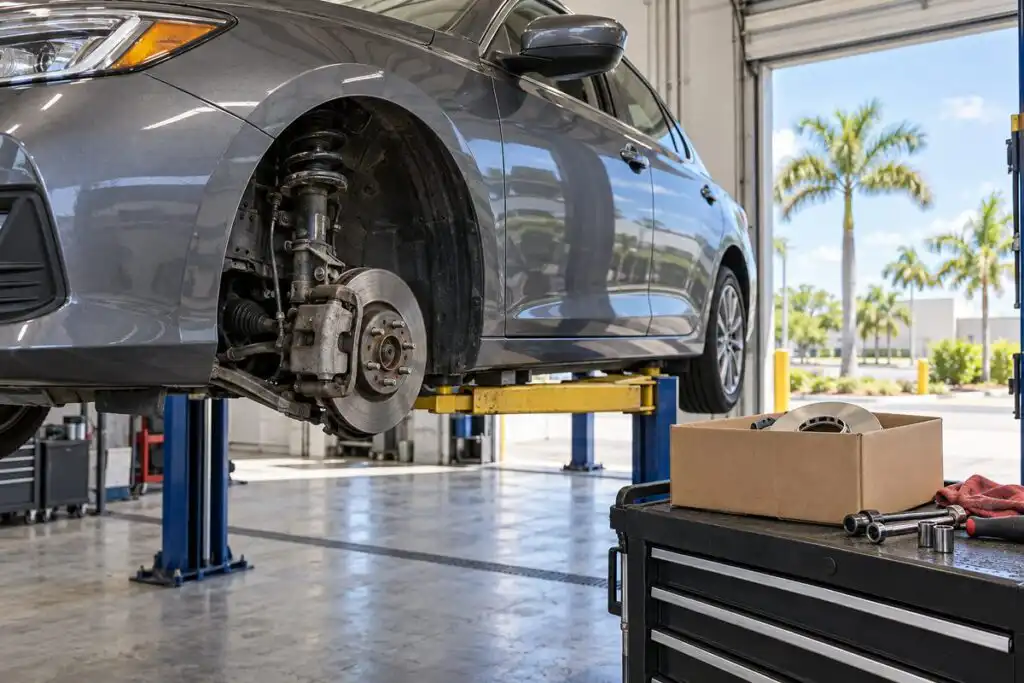
What standard policies generally do not pay for is the breakdown itself. Personal auto policies commonly exclude damage that is due and confined to wear and tear or mechanical breakdown, so the cost of replacing a worn part or a failed fuel pump usually falls outside collision and comprehensive coverage. Damage the crash caused to the rest of the car is a separate question, and your policy wording controls where that line falls.
When someone else caused the crash, their coverage may come into play. Florida requires $10,000 in property damage liability, which pays for damage a covered driver causes to another person’s property, but the minimum to register a vehicle does not include bodily injury liability, so the at-fault driver may have little or no coverage for your injuries. Uninsured and underinsured motorist coverage can help when the at-fault driver has no or too little coverage. The same coverages work in reverse: if your car’s failure leads you to hit someone, your property damage liability and any bodily injury liability you carry may respond to their claim.
How the 51 Percent Bar Affects a Mechanical Failure Crash Claim
PIP and collision coverage generally pay without regard to fault, but a claim against the driver, owner, repair shop or manufacturer responsible for the crash follows Florida’s modified comparative negligence rule. If you are found more than 50% at fault, you cannot recover any damages from others, and otherwise your award is reduced by your share of fault. The rule also applies to strict liability and products liability claims.
Mechanical failure crashes invite these arguments. The other side may say you ignored a warning light, skipped maintenance or kept driving after a problem appeared, and a driver whose car failed may argue the failure was sudden and could not have been foreseen. Maintenance records, repair invoices and an inspection of the vehicle often help answer those arguments and keep your share of fault as low as the facts allow.
What Typically Happens After a Mechanical Failure Crash
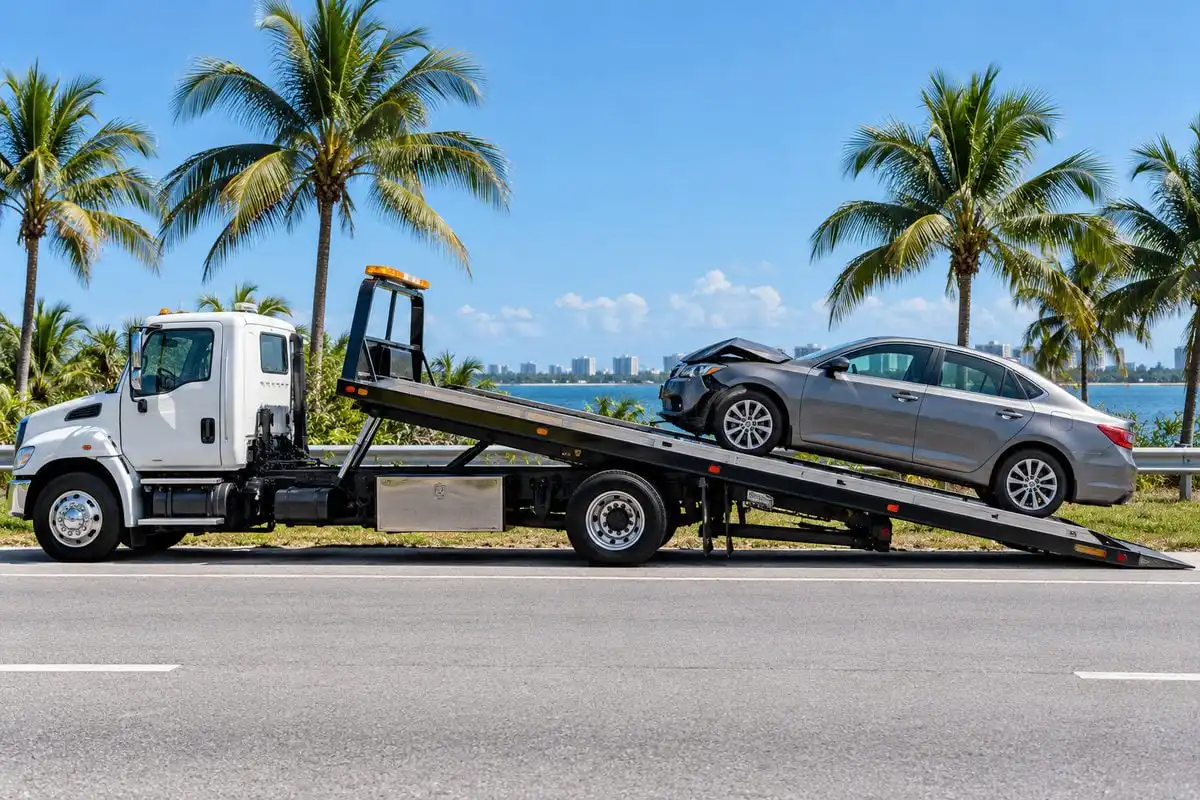
Like other motor vehicle accident claims, a mechanical failure claim often runs on two tracks. Your own insurer handles PIP and, if you carry it, collision coverage, while any claim for the rest of your losses goes to the party responsible for the crash, often through a settlement package that documents the injuries, the losses and the proof of what failed. When a defective part is involved, a defective product claim against a manufacturer or parts maker may be part of the picture.
After paying for damage to your car, your insurer may pursue a responsible manufacturer, parts maker or repair shop to recover what it paid, a process known as subrogation. Florida generally gives you two years from the date of the crash to file a negligence lawsuit against the at-fault party. Product claims can follow different deadlines, and Florida also has a statute of repose for product claims, so the timing can be complicated and is worth reviewing early.
Summary of Car Insurance and Mechanical Failure Crashes in Florida
Car insurance can cover parts of a mechanical failure crash, and the answer depends on which loss you are asking about and on your policy wording. The essential points to remember are:
- Your own PIP coverage generally pays first for your injuries, regardless of fault.
- Collision coverage, if you carry it, can pay for crash damage to your car.
- Standard policies generally do not pay to fix wear and tear or the failed part itself.
- The at-fault party’s coverage and your uninsured motorist coverage may cover other losses.
- Your insurer may pursue a responsible manufacturer or repair shop through subrogation.
- Florida generally gives you two years from the date of the crash to file a negligence lawsuit against the at-fault party.
FAQs About Car Insurance and Mechanical Failure Crashes
Will my insurance pay to fix the part that failed?
Usually not. Standard auto policies generally exclude damage that is due and confined to wear and tear or mechanical breakdown. Collision coverage may still pay for damage the crash caused, but your policy wording controls, so the exclusions are worth reading closely.
Does PIP cover my injuries if my own car broke down and caused the crash?
Generally, yes. PIP pays regardless of fault, covering 80 percent of reasonable medical expenses within the $10,000 limit, which also covers lost wages if your policy includes wage loss coverage. Initial treatment within 14 days is generally required, along with emergency medical treatment to receive the full extent of the benefits.
What if another driver’s mechanical failure caused the crash?
Their property damage liability coverage, and any bodily injury liability coverage they carry, may respond if they are found at fault. They may argue the failure was sudden and could not have been foreseen, and your own coverages may also come into play.
Can my insurance company go after the manufacturer or repair shop?
It may. After paying a claim for damage to your car, an insurer can sometimes pursue a manufacturer, parts maker or repair shop whose defect or poor work caused the loss. That process, called subrogation, is separate from your own injury claim.
How long do I have to bring a claim after a mechanical failure crash in Florida?
Florida generally gives you two years from the date of the crash to file a negligence lawsuit against the at-fault party. Claims against a manufacturer, parts maker or seller can follow different deadlines, and Florida also has a statute of repose for product claims, so the timing is worth reviewing early.
Contact a South Florida Car Accident Lawyer
If a mechanical failure played a role in your crash and the insurance companies are pointing at each other, the team at Lawlor, White & Murphey can review your policy and the facts and explain your options. We represent injured people throughout Florida, including Broward and Palm Beach County. You can call our office at 954-525-2345 to talk through what happened. Our Fort Lauderdale office is located at 2211 Davie Boulevard, Fort Lauderdale, FL 33312.
This article is for general information only and is not legal advice. Every case is different, and past results do not guarantee a similar outcome.