
Insurance Denial Patterns After Vehicle Accidents: How Claims Are Disputed Based on Collision Factors
The letter arrives eleven weeks after the crash and runs two pages. It never says the claim is worthless. It says the property damage was light, that there is a three-week gap in the treatment records, and that an MRI shows degenerative changes in the neck. The number attached is a fraction of the bills.
None of those points is random. Insurance denial patterns are a short list of well-worn arguments carriers use to dispute a claim, each about evidence rather than about your honesty. Knowing which ones exist, and what each actually rests on, changes how a claim is built from the first week rather than the last.
What Counts as an Insurance Denial Pattern
An insurance denial pattern is a recurring argument a carrier uses to reduce or refuse payment on a crash claim. It helps to separate two families. Coverage grounds concern the policy itself: a lapse for non-payment, an excluded driver, limits already paid out, or benefits exhausted. Evidentiary grounds are about proof, and because they set the value rather than the coverage, they shape most disputed injury claims.
The evidentiary grounds repeat with striking consistency. Light vehicle damage said to be inconsistent with the injuries, a delay or gap in treatment, prior findings on imaging, an inconsistency in a recorded statement, and late reporting of the crash or claim. A single file often draws three of the five.
Why Insurance Denial Patterns Appear in Florida Claims
Part of it is volume. Carriers evaluate enormous numbers of claims against repeatable criteria, and those predicting a cheaper outcome get used broadly. The Florida Department of Highway Safety and Motor Vehicles publishes statewide crash and citation reports each year, and those totals explain why the process is built to run at scale rather than case by case.
Part of it is Florida’s own structure. A crash here produces two different claims with two different tests, one against your own coverage and one against the at-fault driver, and because each is judged separately, each has its own openings. On the congested corridors across Broward County, low-speed rear impacts are common, which keeps the light-damage argument in rotation.
Why Insurance Denial Patterns Hit Serious Injury Claims Hardest
The arguments cluster where the money is. Liability in a rear-end or a straightforward intersection crash is often not seriously contested, so when the bills grow the dispute moves to whether the injury is as significant, as permanent and as connected to the collision as the claim says. Those are the questions that decide value.
That is why a file with a herniated disc and a surgical recommendation draws more scrutiny than one with six weeks of therapy. The larger the claim, the more closely the imaging, the treatment timeline and the prior records get read, and the likelier a carrier is to lean on a recurring ground.
Proving Fault Against Common Insurance Denial Patterns
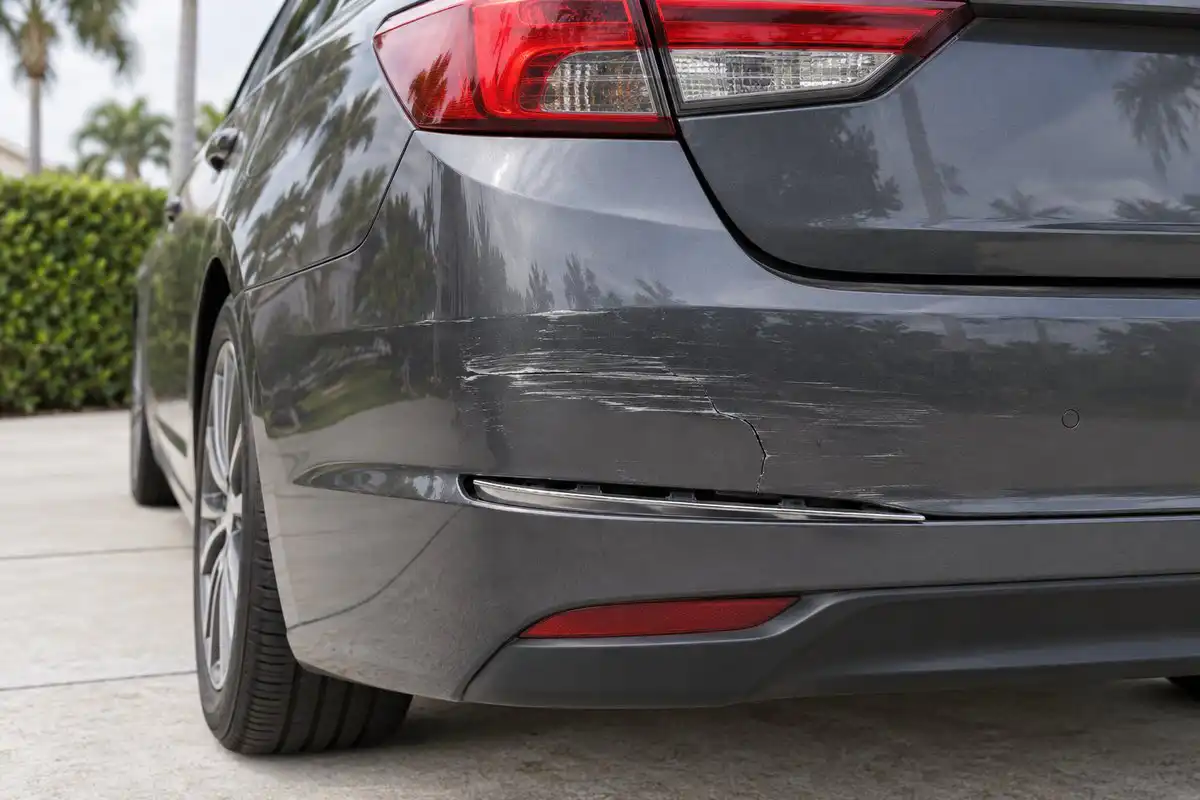
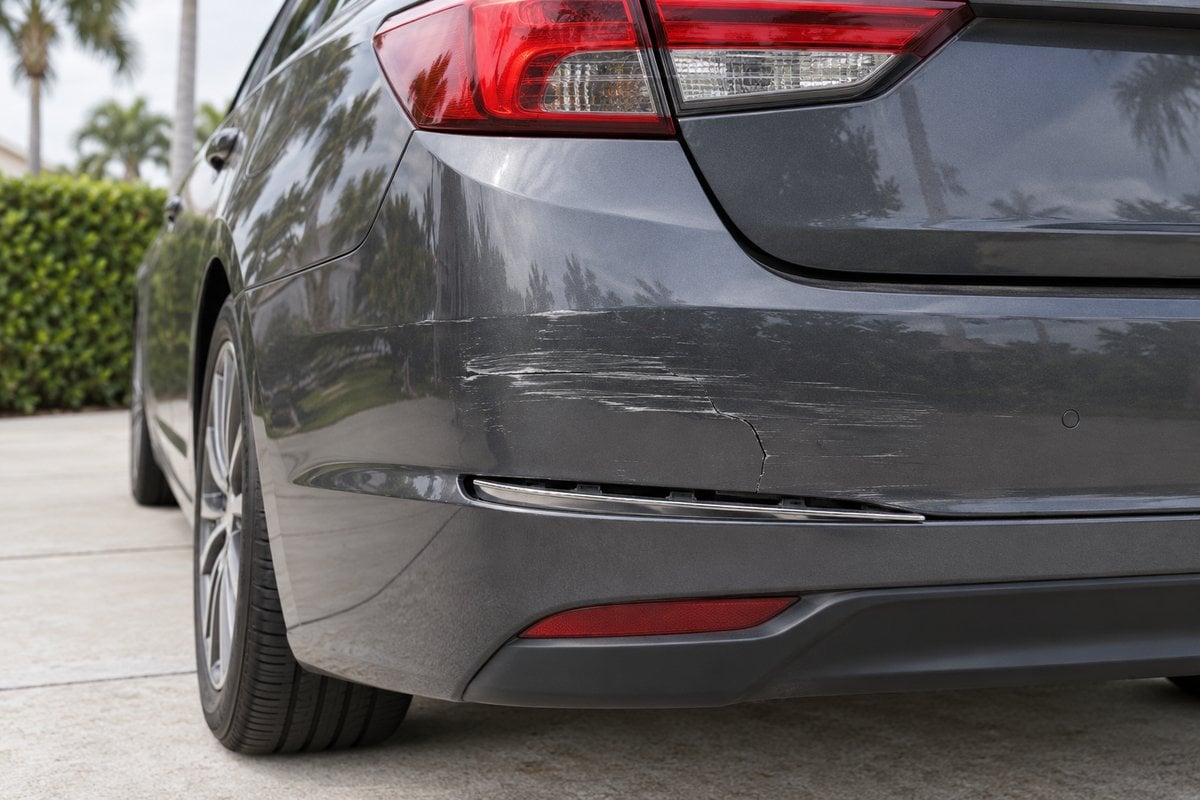
The light-damage argument holds that a collision which barely marked the bumpers could not have hurt anyone. It rests on a repair estimate, a parts-and-labor figure, not a measure of force. Bumper systems absorb low-speed impacts without visible deformation, so a car showing little damage may have passed more of the energy into the occupant compartment rather than less. Occupant position, head restraint height and whether a person braced all change how that load is carried, and crush photographs address force more directly than an estimate.
An inconsistency in a recorded statement is the second workhorse. Statements are often taken within days, while a person is medicated, in pain and being asked to estimate speeds and distances. Saying the light was green and later that it was yellow, or answering early by saying you are fine, gives a carrier something to quote for the rest of the claim. You generally owe cooperation to your own insurer, and are generally not required to give one to the other driver’s carrier, which is why whether to give a recorded statement comes up early.
Late reporting is the third. Policies commonly require prompt notice, and a gap between the crash and the first report invites the argument that nothing serious happened. A late report usually also means no officer documented the scene and the evidence is gone, so the delay costs twice. Where notice was late for an ordinary reason, that reason is worth recording rather than leaving to inference.
How Florida’s No-Fault Rules Feed Insurance Denial Patterns
Florida operates under a no-fault insurance system, so your own Personal Injury Protection coverage pays first regardless of fault. PIP generally pays 80% of reasonable medical expenses, and the $10,000 is one combined limit that also covers lost wages if your policy includes wage loss coverage. You generally must seek treatment within 14 days and receive emergency medical care to use it. PIP also turns on whether care is reasonable, related and medically necessary, the standard behind most disputes over who pays your medical bills.
Two of the recurring grounds sit right here. A break in treatment gets read as evidence the injury resolved or was never connected, even when the cause was a work schedule or symptoms that built over weeks. Prior imaging findings get read the same way, although degenerative changes are common on adult scans and do not prove a person had symptoms before the crash. Florida law generally allows recovery where a collision aggravates an existing condition.
How to Keep Insurance Denial Patterns From Taking Hold
Most of these arguments are answered with records. Report the crash promptly and get medical care early, and if an appointment has to be missed, have the reason noted rather than leaving a blank. Ask your providers to record the mechanism of injury, not only the diagnosis, because a note describing how the body moved ties the injury to the collision.
Collect prior records showing what you could do beforehand, since the clearest answer to a pre-existing argument is documentation that you were working and without symptoms. Photograph the vehicles and the pavement before anything moves, keep the damaged vehicle available for inspection, and get advice before giving a recorded statement to another carrier. If payment has already been refused outright, handling a denied claim is a separate process.
What Compensation Remains Available Despite Insurance Denial Patterns
A dispute is a position, not a ruling, and it does not narrow what the law allows. In a motor vehicle accident claim, recoverable losses may still include past and future medical expenses, lost income and reduced earning capacity, rehabilitation, property damage, and compensation for pain, suffering and lost enjoyment of life. What a dispute changes is how much of that has to be documented.
To reach pain and suffering from an at-fault driver, your injury generally must meet Florida’s injury threshold: significant and permanent loss of an important bodily function, permanent injury within a reasonable degree of medical probability, or significant and permanent scarring or disfigurement. Uninsured and underinsured motorist coverage can also apply where the other driver carries too little.
How Comparative Negligence Fuels Insurance Denial Patterns
Florida follows a modified comparative negligence rule. If you are found more than 50% at fault you cannot recover damages, and below that line your award is reduced by your share. That gives a carrier reason to argue for a percentage even when it accepts that its own driver was mostly responsible.
So the arguments tend to arrive in combination. One file may be told the damage was light, the treatment was late and the claimant was partly at fault for following too closely, each point shaving value off the same claim. Physical evidence, consistent records and a clear treatment timeline keep those percentages from stacking up unanswered.
Summary of Insurance Denial Patterns in Florida Claims
Disputes follow a short list of predictable arguments, each answerable with evidence. The key points to remember are:
- Coverage grounds concern the policy; evidentiary grounds concern proof and drive most disputes.
- Light vehicle damage is a repair figure, not a measurement of the force an occupant absorbed.
- Treatment gaps and prior imaging findings are read as causation arguments, and records answer them.
- If one detail in a recorded statement is inconsistent, it can be used against the rest of the claim.
- Late reporting weakens a claim twice, since the scene evidence is usually gone too.
- Florida generally gives you two years from the date of the crash to file a negligence lawsuit against the at-fault party.
Frequently Asked Questions About Insurance Denial Patterns
Does light vehicle damage mean my injury claim will fail?
Not on its own. A repair estimate measures parts and labor, not the force an occupant absorbed, and bumpers are designed to take low-speed impacts without visible damage. Crush photographs address it more directly.
I had a prior back problem. Does that end my claim?
Not by itself. Degenerative findings are common on adult imaging, and Florida law generally allows recovery where a crash aggravates an existing condition. Records showing you were working and without symptoms are usually the answer.
What happens if there is a gap in my treatment?
A carrier will likely point to it as evidence the injury resolved or was never related. The gap alone rarely decides a claim, but the reason matters, so having it documented at the time beats explaining it later.
Do I have to give the other driver’s insurer a recorded statement?
Generally no. Your own policy usually requires cooperation with your own insurer, but the other driver’s carrier is a different matter, and it is worth getting advice before agreeing to one.
Is a disputed claim the same as a denied claim?
No. A dispute is a position the carrier is taking on the evidence, often an opening for negotiation. An outright denial is a refusal to pay and follows a different track.
Contact a South Florida Car Accident Lawyer
If a carrier is pointing at light damage, a treatment gap or something you said, those positions can be answered, usually with documents. The team at Lawlor, White & Murphey can review the file and the records behind it, including why an insurer disputed your claim. We represent injured people throughout Florida, including Broward and Palm Beach County. Reach us at 954-525-2345 or through our online contact form. Our office is at 2211 Davie Boulevard, Fort Lauderdale, FL 33312.
This article is for general information only and is not legal advice. Every case is different, and past results do not guarantee a similar outcome.