
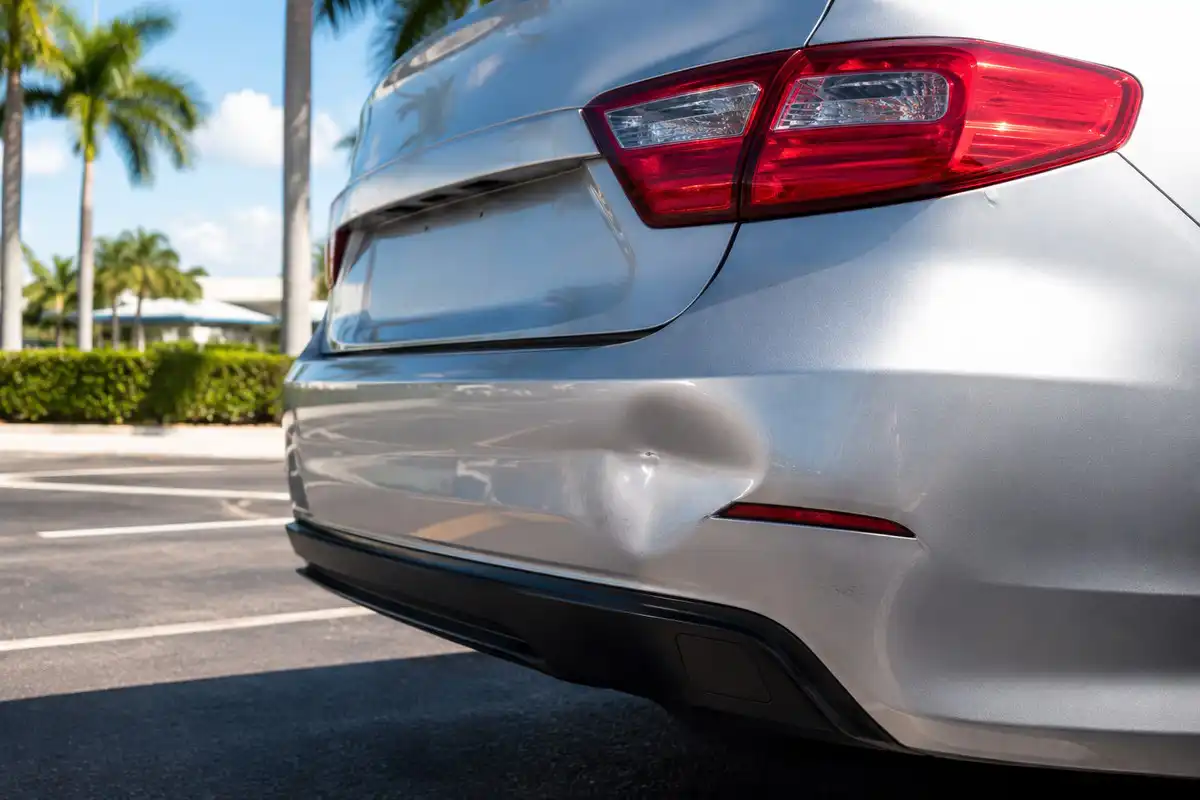
Do I Need a Lawyer for a Minor Car Accident in Florida?
Not always. If nobody was hurt and the damage is small, you may be able to handle it yourself. But minor crashes are not always minor. Injuries can surface days later, and once you accept a settlement you usually cannot reopen the claim. A consultation costs nothing, so it rarely hurts to ask.
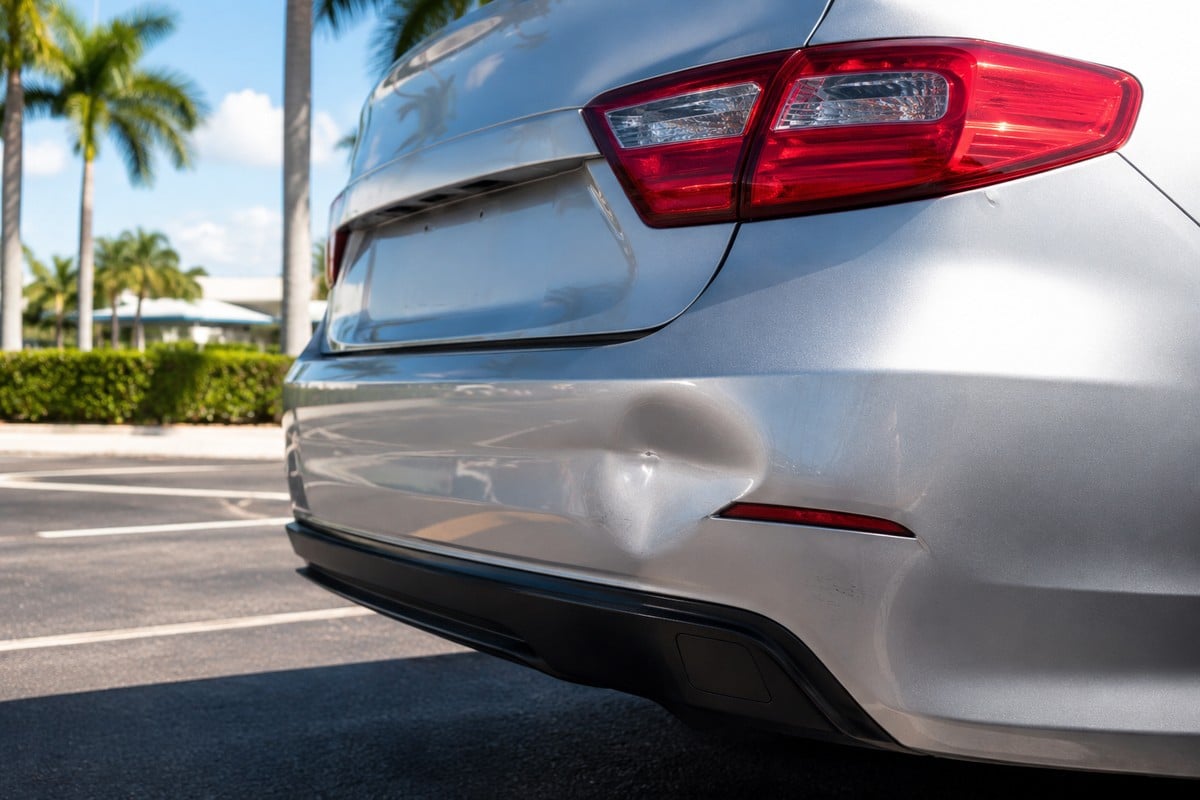
A light tap at a stoplight. A slow speed scrape in a parking lot. Nobody is bleeding, both cars still drive, and everyone exchanges information politely. It feels like the kind of thing you should be able to handle with a phone call to the insurance company.
Sometimes that is exactly right. And sometimes the crash that looked small on the shoulder of the road turns into weeks of neck pain, a disputed fault story, and an offer that does not come close to covering what you lost. The honest answer to this question runs both ways, so let’s walk through both sides.
The Honest Answer Comes in Two Parts
Plenty of minor accidents in Florida get resolved without a lawyer, and there is nothing wrong with that. If the crash was truly small and you came out of it uninjured, hiring an attorney may add a step you do not need.
The problem is that you cannot always tell which kind of crash you were in on day one. The stakes are not what the crash looks like. The stakes are what happens to your body and your claim over the following weeks.
When You Probably Do Not Need a Lawyer
You can possibly handle the claim on your own when all of these are true:
- Nobody was injured, and nobody feels sore in the days that follow.
- The vehicle damage is cosmetic or clearly limited, like a scratched bumper.
- Fault is not in dispute, and the other driver’s story matches yours.
- The insurance company accepts the claim and offers enough to cover the repair.
In that situation, a lawyer would mostly be helping you with paperwork you can manage yourself. Get a repair estimate or two, document the damage with photos, keep your receipts, and hold onto everything until the claim is fully closed.
One caution even here: wait before you sign anything that releases the insurance company from future claims. A release is final. If soreness shows up a week later, the signed release usually closes that door for good.
Why a Minor Accident Is Not Always Minor
Your body does not always report injuries on the day of the crash. Adrenaline masks pain, and soft tissue injuries to the neck, shoulders, and back often take hours or days to fully surface. What felt like stiffness on Tuesday can be a herniated disc by Friday.
This is the single biggest reason people regret settling fast. The insurance company may offer a quick check that covers the bumper and a little extra. It feels convenient. But once you cash it and sign the release, the claim is over, even if an MRI later shows real damage.
So the question is not really “was the crash minor?” It is “am I certain I was not hurt?” Those are different questions, and the second one takes time to answer.
How Florida’s No Fault System Handles Minor Crashes
Because Florida operates under a no fault insurance system, your own Personal Injury Protection coverage is the first payer for your medical care after a crash, no matter who caused it. PIP pays 80 percent of your reasonable medical bills and, if you chose wage loss coverage, 60 percent of your lost wages, up to your $10,000 limit.
There is a catch that trips up a lot of people after minor crashes: the 14 day rule. To use your PIP benefits, you need to get initial medical treatment within 14 days of the accident. If you shrug off the soreness and wait three weeks to see a doctor, you can lose access to those benefits entirely.
That is why the standard advice after any crash, even a small one, is to get checked out promptly. It protects your health and it protects your coverage at the same time.
When You Should Call a Lawyer for a Minor Car Accident
Some situations change the math quickly. It makes sense to at least talk to a lawyer for a minor car accident when any of these show up:
- You feel pain, even mild pain. Delayed symptoms are common, and pain that lingers is a sign the crash was not as small as it looked.
- Fault is disputed. If the other driver changes their story or their insurer points the finger at you, the claim is no longer simple.
- The offer feels low. If the insurance company’s number does not cover your repair, your medical visits, or your missed work, that is not a clerical error. It is a negotiating position.
- The other driver was uninsured or underinsured. Now you are dealing with your own uninsured motorist coverage, and your own insurer can push back too.
- A commercial vehicle was involved. Company vehicles bring extra insurance layers and adjusters who move fast to limit the claim.
None of these mean you are automatically headed to court. Most claims settle. They mean the claim has enough moving parts that a professional opinion is worth getting before you sign anything.
The Low Impact Myth
Insurance companies lean hard on a simple argument: small damage means small injury. If the photos show a lightly creased bumper, the adjuster may suggest that nobody could have been hurt in a crash like that.
The human body does not work that way. Injury depends on how force moves through your spine and joints, your position at the moment of impact, and your health going into the crash. Low speed collisions produce real soft tissue injuries all the time, and modern bumpers are designed to hide impact forces that your neck still absorbed.
If an adjuster is waving vehicle photos at you as proof you are fine, that is a signal the claim has turned adversarial. Your medical records, not the bumper, are the evidence that matters.
Serious Injuries Change the Rules Entirely
Under Florida’s no fault system, PIP handles your initial medical care, but it pays nothing for pain and suffering. To pursue the at fault driver for those damages, your injury has to meet Florida’s injury threshold, which includes things like permanent injury and significant scarring or disfigurement.
Here is why that matters for a “minor” crash: whether an injury is permanent is a medical and legal question, not something you can eyeball in week one. A firm that handles motor vehicle accident cases every day knows how that threshold is evaluated and what documentation supports it. If your injury turns out to meet it, the value of your claim changes substantially, and so does the insurer’s incentive to lowball you early.
What a Lawyer Actually Does in a Small Claim
People sometimes picture hiring a lawyer as declaring war. In practice, most of the work is quieter than that:
- Taking over communication with the adjuster, so nothing you say gets used against your claim.
- Making sure every category of loss is counted, including future treatment, mileage to appointments, and missed work.
- Gathering the records and evidence that support fault and injury before they disappear.
- Valuing the claim against real case experience rather than the insurer’s opening number.
- Watching the deadlines so a fixable problem does not become a fatal one.
Whether the crash happened on a Broward County street and becomes an injury claim in Hollywood or on a highway further north as a personal injury matter in Palm Beach County, the job is the same: make sure a crash is only treated as minor if it truly was.
What a Lawyer for a Minor Car Accident Costs
This is where a lot of hesitation lives, and the answer is simpler than most people expect. Personal injury lawyers in Florida work on contingency. The standard fee is 33 1/3 percent of the recovery if the case settles before a lawsuit is filed, and 40 percent after suit is filed. If there is no recovery, there is no fee.
The Florida Bar publishes a consumer guide to attorney fees that explains how these agreements work and what questions to ask before signing one. Read it. Any lawyer worth hiring will walk you through the fee agreement in plain English and put every term in writing.
Because the consultation costs nothing, the practical move after a crash is to ask. If the case is genuinely too small to benefit from representation, an honest attorney will tell you exactly that and send you on your way with free guidance.
Deadlines and Fault Rules Still Apply to Small Crashes
Two pieces of Florida law apply whether your crash was a rollover or a parking lot bump.
First, the statute of limitations. You have 2 years from the date of the crash to file a negligence lawsuit in Florida against the at-fault party. That sounds like plenty of time, but treatment, negotiation, and evidence gathering eat months quickly. Miss the deadline and the claim is gone regardless of how strong it was.
Second, comparative negligence. Florida uses a modified comparative negligence rule with a 51 percent bar. If you are found more than 50 percent at fault, you recover nothing. If you are 50 percent or less at fault, your recovery is reduced by your percentage. This is exactly why insurers work so hard to shift blame in disputed fault claims, even small ones. Every percentage point they pin on you is money off the payout.
Summary
- You do not always need a lawyer for a minor car accident. Truly small, injury free, undisputed claims can often be handled on your own.
- Injuries from low speed crashes can surface days later, and a signed release closes your claim for good, so never settle before you know how you are healing.
- Florida’s no fault system pays first through your PIP coverage, but you must get initial treatment within 14 days to use those benefits.
- Call a lawyer if you feel pain, fault is disputed, the offer is low, or the other driver was uninsured or driving commercially.
- Contingency fees mean no upfront cost: 33 1/3 percent pre suit, 40 percent after suit is filed, and no fee unless there is a recovery.
- The 2 year statute of limitations against the at-fault party and Florida’s 51 percent fault bar apply to every crash, no matter how small it looked.
Frequently Asked Questions About Minor Car Accidents in Florida
How much does it cost to talk to a lawyer after a minor accident?
Nothing. Personal injury consultations are free, and if you hire the firm, the fee comes out of the recovery on a contingency basis. If there is no recovery, you owe no fee. That structure means you can get a professional read on your claim without spending a dollar.
I felt fine at the scene but hurt now. Is it too late to do anything?
Usually not, as long as you act quickly. Delayed pain is common after crashes, and seeing a doctor promptly both protects your health and documents the injury. Remember that Florida’s 14 day rule requires initial treatment within two weeks of the crash for PIP benefits to apply.
Should I accept the insurance company’s first offer for a small crash?
Not before you understand your full losses. First offers often arrive fast precisely because early settlements are cheap for insurers. Once you sign the release, you cannot come back for more, even if new symptoms or repair costs appear later.
What if the other driver wants to pay cash and skip insurance?
Be careful. Handshake deals fall apart when damage turns out worse than it looked or the other driver stops answering calls. Without a police report or claim on file, you may have little proof the crash even happened. Report the crash and let the process document it.
Can I start the claim myself and bring in a lawyer later if it goes badly?
Yes. Just know that early missteps, like giving a recorded statement to the other insurer or accepting a partial payment, can limit what a lawyer can fix later. If the claim shows any signs of trouble, earlier help is more useful than later help.
Contact a South Florida Car Accident Lawyer
If your crash left you with questions, pain, or an offer that does not sit right, you do not have to sort it out alone. The attorneys at Lawlor, White & Murphey have spent decades helping people across South Florida figure out whether their claim needs a lawyer at all, and then fighting for the ones that do. You can learn more about our team and how we approach these cases.
The conversation is free and there is no obligation. Call our office or reach out online, tell us what happened, and we will give you a straight answer about where your claim stands, even if that answer is that you can handle it yourself.
This article is for general information only and is not legal advice. Every case is different. Past results do not guarantee a similar outcome.