
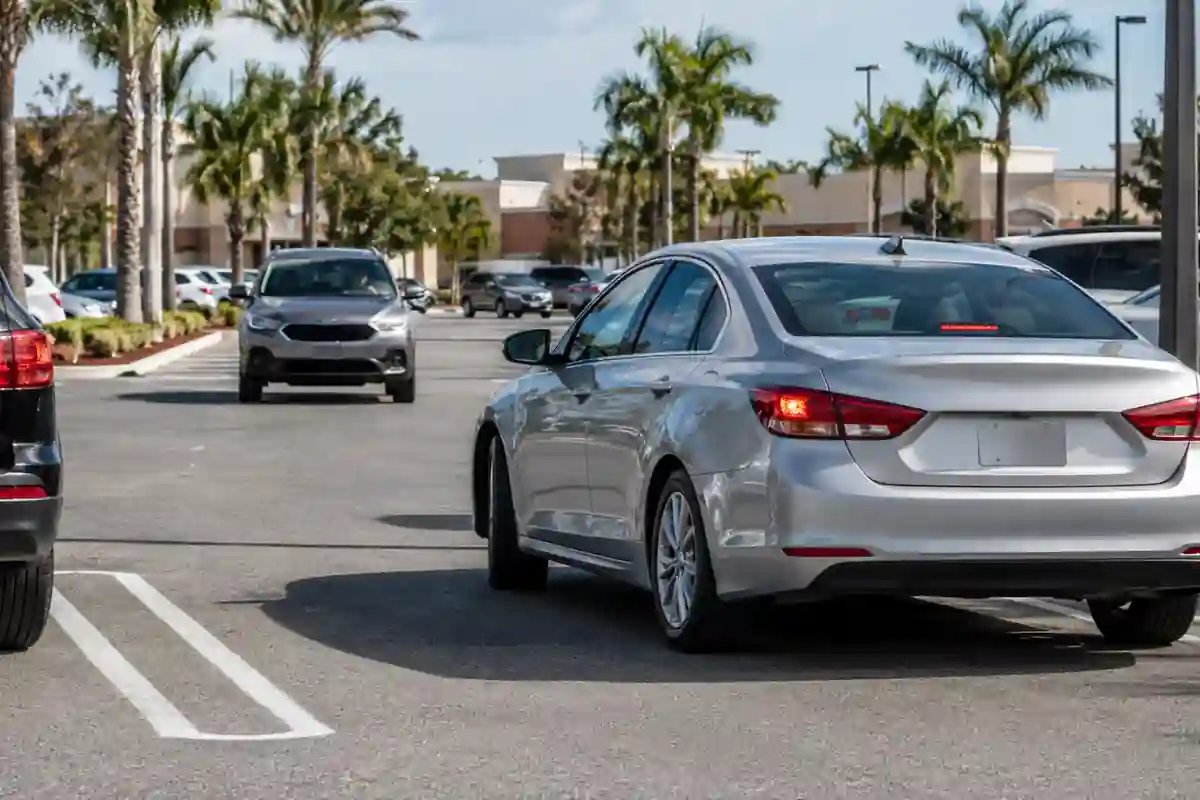
Parking Lot Vehicle Collisions: How Low-Speed Environments Still Produce Injury-Causing Crashes
A parking lot feels like the safest place to drive, which is exactly why so many crashes happen there. Speeds are low, but attention is lower still. Drivers back out of spaces without a clear view, cut across empty rows, and watch for an open spot instead of the car coming through the lane. The result is a steady stream of collisions that, despite the slow speeds, leave people hurt.
These crashes fill the lots of South Florida’s shopping centers, grocery stores, and office plazas. This article explains how parking lot collisions happen, how Florida decides who is at fault, and what an injured driver can do afterward.
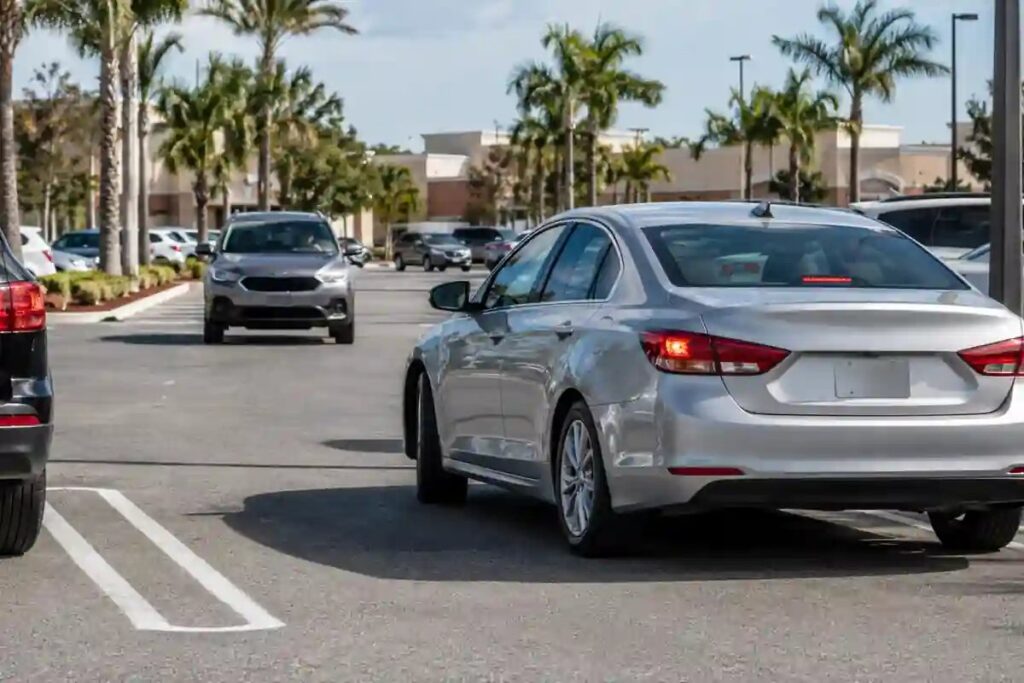
What Counts as a Parking Lot Collision
A parking lot collision is a crash that happens in a private lot or garage rather than on a public road. It includes a car backing out of a space into a passing vehicle, two drivers meeting where lanes cross, and collisions between cars competing for the same spot. Even though these happen off the public road, they are still motor vehicle accidents under Florida law, so the usual insurance rules and deadlines apply.
The defining feature is the low speed and the tight, unpredictable environment, where cars, pedestrians, and shopping carts all share the same small space and sight lines are short.
Why Parking Lot Collisions Happen in Florida
Most parking lot crashes come down to limited visibility and divided attention. A driver backing out of a space often cannot see a car approaching from the side until it is too late. Drivers cut diagonally across empty rows, ignore the direction of the lanes, and focus on finding a spot rather than on the traffic around them. Statewide figures from the Florida Department of Highway Safety and Motor Vehicles show how often these crashes happen on Florida roads.
Add in pedestrians walking between cars, tight rows, and the distraction of phones, and contact becomes likely. Florida’s large, busy retail lots see these crashes constantly, particularly during holidays and weekends when the lots are full and everyone is in a hurry.
Why Parking Lot Collisions Still Cause Injuries
People assume a low-speed lot crash cannot hurt anyone, but that is often wrong. A sudden impact, even at five or ten miles per hour, can snap the neck and strain the back, causing the same whiplash and disc injuries seen in higher-speed rear-end crashes. A driver who is turned around while backing up is especially vulnerable to a neck injury.
Pedestrians are at even greater risk, facing dangers much like those in a pedestrian collision on the road. A person walking to their car has no protection at all, and a slow-moving vehicle can still knock someone down and cause fractures or head injuries. The modest speed of these crashes hides how much harm they can do.
Proving Fault in a Parking Lot Collision
Fault in a lot usually follows the same right-of-way logic as the road. A driver backing out of a space must yield to vehicles already moving in the lane, and a car in a smaller feeder lane must yield to traffic in the main through lane. The driver who failed to yield is typically at fault.
Because lot crashes often lack witnesses and police may not respond to minor private-property crashes, evidence is important. Photographs of the vehicles and their positions, the damage patterns, and any store or security camera footage help establish what happened. Injured drivers across Broward County and Palm Beach County are better protected when that proof is captured right away.
How Florida’s No-Fault Rules Apply After a Parking Lot Collision
Florida’s no-fault system applies to parking lot crashes just as it does on the road. Your own Personal Injury Protection coverage pays first, covering eighty percent of your reasonable medical bills up to ten thousand dollars, as long as you seek initial treatment within fourteen days of the crash. The full ten thousand dollars is available only if a medical provider determines you had an emergency medical condition. Without that determination, PIP medical benefits are generally capped at 2,500 dollars.
If the injuries are serious and permanent enough to cross Florida’s injury threshold, you can step outside no-fault and pursue the at-fault driver directly. Understanding how Florida’s no-fault insurance system works helps explain why you should treat promptly even after a slow-speed crash.
What to Do After a Parking Lot Collision
Even in a lot, call the police if there is an injury or apparent property damage of at least five hundred dollars, and get a report when you can. Photograph both vehicles, their positions, the lane markings and directional arrows, and anything that blocked the view.
Exchange information with the other driver and look for witnesses, including nearby shoppers or store employees who saw the crash. Ask whether the business has security cameras that may have recorded it. See a doctor promptly, keep every record, and avoid giving a recorded statement before you understand your rights.
What Compensation a Parking Lot Crash Victim Can Recover
An injured driver or pedestrian can seek compensation for medical care, both immediate and ongoing, along with lost wages and reduced earning capacity when the injury keeps them from working. When the case moves outside no-fault, recovery can include pain and suffering for the physical and emotional impact of the crash.
What a claim is worth depends on the severity of the injuries and how the crash has affected daily life, not on how fast the vehicles were moving. Past results do not guarantee a similar outcome.
How Comparative Negligence Can Reduce a Parking Lot Claim
Florida uses a modified comparative negligence rule, so fault is divided by percentage when both drivers contributed to a crash. Your recovery is reduced by your share of the blame, and being found more than fifty percent at fault bars recovery from the other driver.
Parking lot cases frequently involve shared-fault arguments, since both drivers may have been moving when they met. Two cars backing out at once, or a driver speeding through a lane, can complicate the picture. Clear evidence of who had the right of way is often what keeps a claim from being reduced.
Summary of Parking Lot Collision Claims
Low speeds do not mean low stakes when it comes to parking lot crashes. Here are the key points to keep in mind.
- A driver backing out must yield to vehicles already moving in the lane.
- A car in a feeder lane must yield to traffic in the main through lane.
- Low-speed crashes still cause whiplash, disc, and neck injuries, and pedestrians are especially at risk.
- Your own PIP pays the first ten thousand dollars in medical bills if you treat within fourteen days.
- Photos and store camera footage are valuable, since lot crashes often lack witnesses.
- You generally have two years from the crash to file a lawsuit.
Frequently Asked Questions About Parking Lot Collisions
Who is at fault when two cars collide in a parking lot?
Fault usually follows right-of-way rules. A driver backing out of a space must yield to cars already moving in the lane, and a car in a smaller feeder lane must yield to traffic in the main through lane. The driver who failed to yield is typically at fault.
Should I call the police for a parking lot crash?
If there is an injury or apparent property damage of at least five hundred dollars, you should report it and get a police report when possible. Even for minor crashes, photographs and the other driver’s information protect you if an injury surfaces later.
Can a slow parking lot crash really injure me?
Yes. A sudden impact even at five or ten miles per hour can cause whiplash and back injuries, and a driver turned around while backing up is especially vulnerable. Pedestrians struck in a lot can suffer fractures and head injuries.
Does Florida no-fault insurance apply in a parking lot?
Yes. Your own Personal Injury Protection pays your first medical bills regardless of fault, up to ten thousand dollars, if you treat within fourteen days. Serious injuries can let you step outside no-fault and pursue the at-fault driver.
How long do I have to file a claim after a parking lot crash?
For most crash claims arising after March 24, 2023, Florida gives you two years from the date of the crash to file a lawsuit. Missing that deadline usually ends the right to recover, so it is best to act well before it.
Contact a South Florida Parking Lot Accident Lawyer
If another driver backed into you or failed to yield in a lot and left you injured, you should not let their insurer dismiss the crash because it happened at low speed. The attorneys at Lawlor, White and Murphey have spent decades helping injured people hold careless drivers accountable, and you are welcome to learn about our firm before you decide anything. Our Fort Lauderdale office is located at 2211 Davie Boulevard, Fort Lauderdale, FL 33312, and we help injured people throughout Florida, including Broward and Palm Beach County.
Consultations are free, and we handle these cases on a contingency basis, which means no fee unless there is a recovery. If you are dealing with an injury from a lot crash while the bills arrive, call our office at 954-525-2345 and let us take that pressure off your shoulders.
This article is for general information only and is not legal advice. Every case is different, and past results do not guarantee a similar outcome.