
Unintended Acceleration Vehicle Crashes: How Throttle Malfunctions Lead to High-Speed Impacts
A driver pulls into a crowded shopping plaza off a busy Broward County road and eases off the gas to look for a parking space. Instead of slowing, the engine races and the car pushes forward. She presses the brake hard, but the car keeps pulling toward the parked vehicles and the storefront beyond them, and in a few seconds a routine errand becomes a high-speed impact.
Crashes like this are often blamed on the driver at first, because they can look like a driver pressing the wrong pedal. Sometimes, though, the vehicle is the problem. A throttle malfunction can open the engine up, or hold it open, without the driver asking for more power. Knowing how these failures happen, and who may be responsible, matters for anyone hurt when a car surged forward on its own.
What Counts as a Throttle Malfunction Crash
A throttle malfunction crash is a collision that happens when a vehicle speeds up, or keeps speeding up, because something in the car failed, not because of what the driver did with the pedals. On many newer vehicles, the pedal no longer pulls a cable to the engine. Electronic throttle control uses sensors, a control module, and an electric motor to turn pedal movement into engine power.
This is different from acceleration pedal confusion, where a driver presses the gas while believing it is the brake. Both can be called unintended acceleration, and both can end in the same kind of crash. A throttle malfunction points to the vehicle, its parts, or the people who designed, built, sold, or serviced it.
Why Throttle Malfunction Crashes Happen in Florida
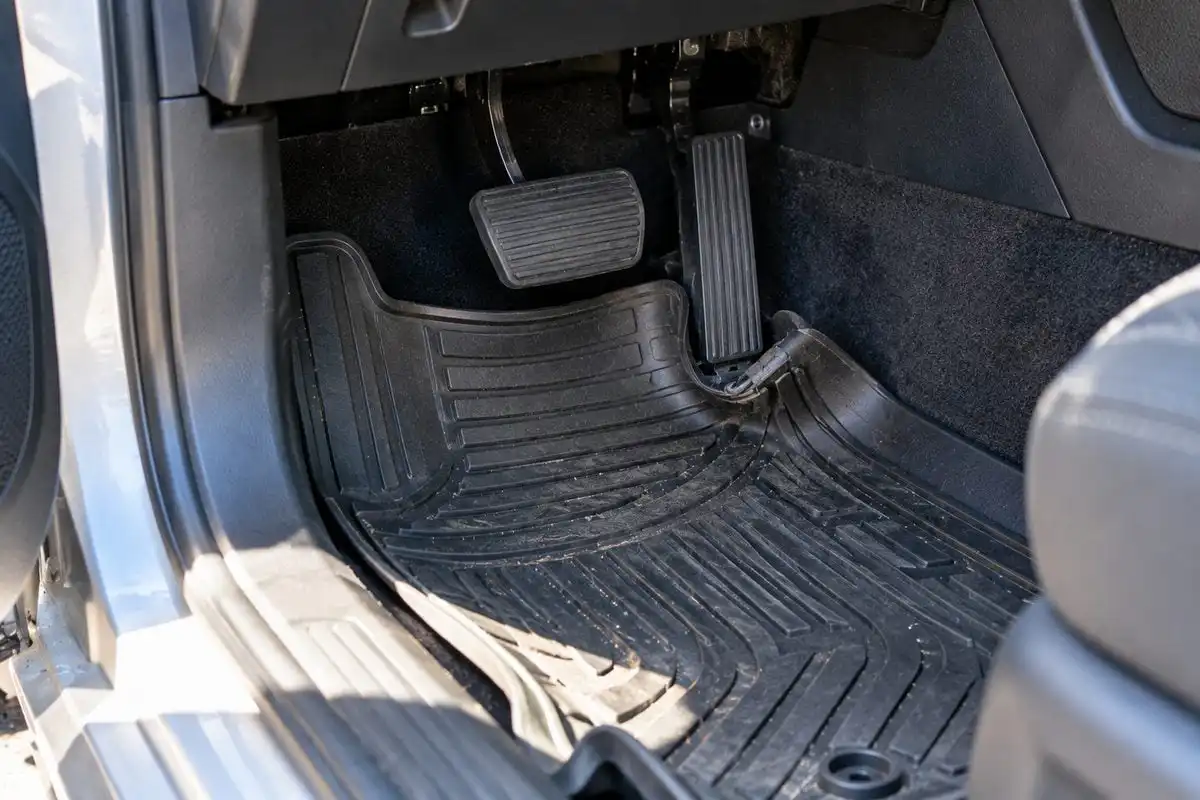
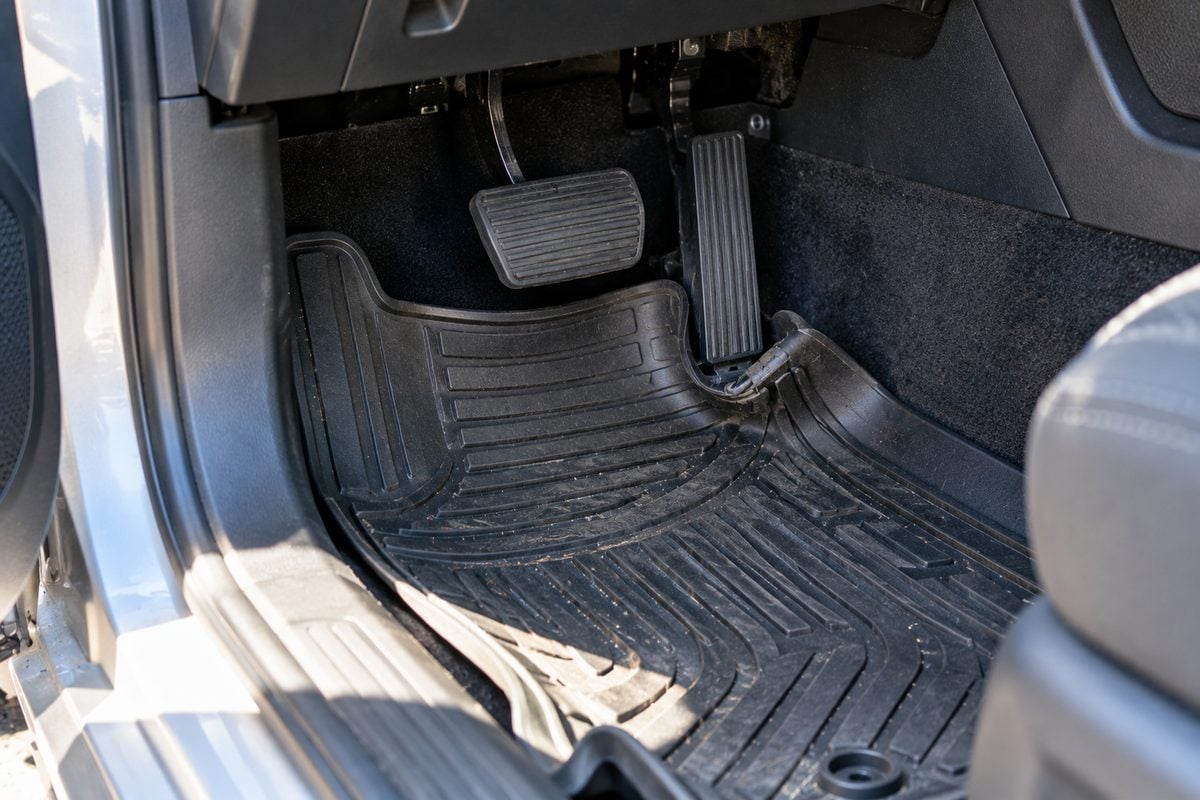
Several failures can cause a throttle malfunction. A pedal assembly can stick, or lose its ability to spring back to rest, when internal springs or sensors break or liquids get inside it. A floor mat can trap the pedal when mats are stacked, unsecured, or not made for that vehicle. Electronic throttle faults and cruise control problems can also affect engine response.
Crowded shopping plazas across Broward County and Palm Beach County, drive-through lanes, and stop-and-go traffic on I-95 leave little room to recover from a surge. The Florida Department of Highway Safety and Motor Vehicles publishes annual crash and citation reports, but the crash reports behind them are generally built from what officers can observe, and a failed pedal spring or electronic fault is rarely visible at the scene.
Why Throttle Malfunction Crashes Cause Serious Injuries
A throttle malfunction takes away the driver’s most basic safety tool, the ability to slow down, and speed can build within seconds while the driver is still braking. Brake-override software is designed to reduce engine power when the brake and accelerator are applied together, and it is common on newer vehicles, though older vehicles may not have it.
The impacts that follow are often severe. A surging car can strike pedestrians, parked vehicles, or a building before anyone can react, or push into an intersection and cause a violent side impact. Occupants may suffer neck and back injuries, herniated discs, broken bones, and traumatic brain injuries, and pedestrians in a parking lot often face the greatest risk.
Proving Fault in a Throttle Malfunction Crash
Responsibility depends on what failed and why. A manufacturer or parts maker may be responsible under Florida’s defective products law for a design defect, a manufacturing defect, or inadequate warnings, on theories such as strict liability, negligence, or breach of warranty. A repair shop may share fault for installing the wrong part, and an owner for ignoring a recall notice or adding mats that did not fit.
Evidence is what separates a malfunction from driver error. The car and its floor mats, kept exactly as found, come first. The vehicle’s black box data can capture a few seconds of pre-crash speed, accelerator use, and brake use, which may show the driver braking while the engine kept pulling. Repair records, recall history, and witnesses help engineers complete the picture, as in any disputed motor vehicle accident.
How Florida’s No-Fault Rules Apply After a Throttle Malfunction Crash
Florida operates under a no-fault insurance system, so your own Personal Injury Protection coverage through your own car insurance pays your medical bills first regardless of who caused the crash, even if the malfunction happened in your own car. PIP pays 80% of reasonable medical expenses, and the required $10,000.00 is one limit for medical care and, if your policy includes it, wage loss coverage. You generally must get initial treatment within 14 days to use it.
To seek pain and suffering from an at-fault driver, you generally must meet Florida’s injury threshold, which means a significant and permanent loss of an important bodily function, a permanent injury within a reasonable degree of medical probability, or significant and permanent scarring or disfigurement. A claim against a manufacturer or parts maker is a separate kind of claim with its own rules and does not require proof of meeting Florida’s injury threshold.
What to Do After a Throttle Malfunction Crash
If you can do so safely, call the police so a crash report is made, and get medical care within 14 days to protect your PIP benefits. Photograph the scene and the driver’s footwell before anything is moved, including where the floor mats sit. Write down whether the pedal felt stuck, the engine raced, warning lights came on, or cruise control was on.
Then protect the car. Do not repair, sell, or scrap it without advice, and tell your insurer and any tow yard you want it preserved. Check for open recalls with the 17-character VIN and report the problem to the National Highway Traffic Safety Administration. The steps that matter when a car defect caused the accident also include talking to a lawyer before giving a recorded statement to another insurer.
What Compensation a Throttle Malfunction Crash Victim Can Recover
If the throttle malfunction caused serious, permanent injuries, a claim against a responsible party may include past and future medical expenses, lost income, reduced earning capacity, rehabilitation costs, and damage to your vehicle. Against an at-fault driver, pain and suffering generally requires meeting the injury threshold. What a product claim can include depends on its facts and the legal theories involved.
These claims can involve more than one source of recovery. An at-fault driver’s bodily injury coverage, a manufacturer, a parts maker, a repair shop, and your own uninsured or underinsured motorist coverage may each play a role, and UM coverage can help when an at-fault driver has no insurance or too little. Value depends on how well the losses are documented.
How Comparative Negligence Can Reduce a Throttle Malfunction Claim
Florida follows a modified comparative negligence rule under section 768.81 of the Florida Statutes. If you are found more than 50 percent at fault, you are barred from any recovery. If you are less than 51% at fault, your award is reduced by your share of fault. The statute defines a negligence action to include strict liability and products liability, so the rule can apply when a manufacturer is involved.
The other side may argue that the driver pressed the wrong pedal, braked too late, was speeding, ignored a recall notice, or used floor mats that did not belong in the car. Black box data, the condition of the pedal assembly and mats, and the repair history can help answer those arguments and keep your share of fault as low as the facts allow.
Summary of Throttle Malfunction Crash Claims
Throttle malfunction crashes happen when a vehicle surges forward because of a stuck pedal, a trapped floor mat, an electronic fault, or another vehicle failure. Because they can look like driver error, early evidence often shapes the claim. Key points to remember:
- A throttle malfunction is a vehicle failure, not a driver pressing the wrong pedal.
- Sticking pedals, trapped floor mats, electronic faults, and cruise control problems can cause unintended acceleration.
- Manufacturers, parts makers, sellers, repair shops, and owners may share responsibility.
- Your own PIP pays first, and you generally need initial treatment within 14 days.
- Preserving the car, floor mats, and black box data is often critical.
- Florida’s comparative negligence rule applies to product claims too.
Frequently Asked Questions About Throttle Malfunction Crashes
What is the difference between a throttle malfunction and pedal confusion?
Pedal confusion happens when a driver presses the accelerator while believing it is the brake. A throttle malfunction is a failure in the vehicle, such as a sticking pedal, a trapped floor mat, or an electronic fault. Black box data and a vehicle inspection can often help show which one happened.
Can a floor mat really cause unintended acceleration?
It can. Federal regulators have described cases where floor mats trapped the accelerator pedal because mats were stacked, unsecured, or not appropriate for the vehicle. After a crash, photograph the footwell and keep the mats with the car so their position can be examined.
Who can be held responsible for a throttle malfunction crash?
Responsibility may fall on a vehicle manufacturer, a parts maker, a seller, a repair shop, or an owner who ignored a known problem, depending on what failed. When more than one party shares fault, each share is weighed under Florida’s comparative negligence rule.
Will my PIP coverage pay if my own car malfunctioned?
Generally, yes. Your own PIP coverage through your car insurance pays first regardless of fault, covering 80% of reasonable medical expenses up to a $10,000 limit that also includes wage loss coverage if your policy has it. You generally need initial treatment within 14 days.
How long do I have to file a claim after a throttle malfunction crash?
Florida generally gives you two years from the date of the crash to file a negligence lawsuit against the at-fault party. Claims against a manufacturer, parts maker, or seller can follow different deadlines, and Florida also has a statute of repose for product claims, so the timing is worth reviewing early.
Contact a South Florida Throttle Malfunction Crash Lawyer
If a car surged forward on its own and you were hurt, the team at Lawlor, White & Murphey can review what happened and explain your options. We represent injured people throughout Florida, including Broward and Palm Beach County, and we work with engineers and accident reconstructionists to learn whether the vehicle failed. You can reach our office at 954-525-2345 or through our online contact form. Our office is located at 2211 Davie Boulevard, Fort Lauderdale, FL 33312.
This article is for general information only and is not legal advice. Every case is different, and past results do not guarantee a similar outcome.